Guangdong, China Plans to Build a World-Class Port Cluster in the Guangdong-Hong Kong-Macao Greater Bay Area by 2030
en.Wedoany.com Reported - On November 24, the Department of Transport of Guangdong Province issued the "15th Five-Year Plan for Water Transport Development in Guangdong Province," proposing that by 2030, a world-class port cluster in the Guangdong-Hong Kong-Macao Greater Bay Area will be basically completed, with the province's annual comprehensive port cargo throughput capacity reaching 2.4 billion tons and annual comprehensive container throughput capacity reaching 90 million TEUs.
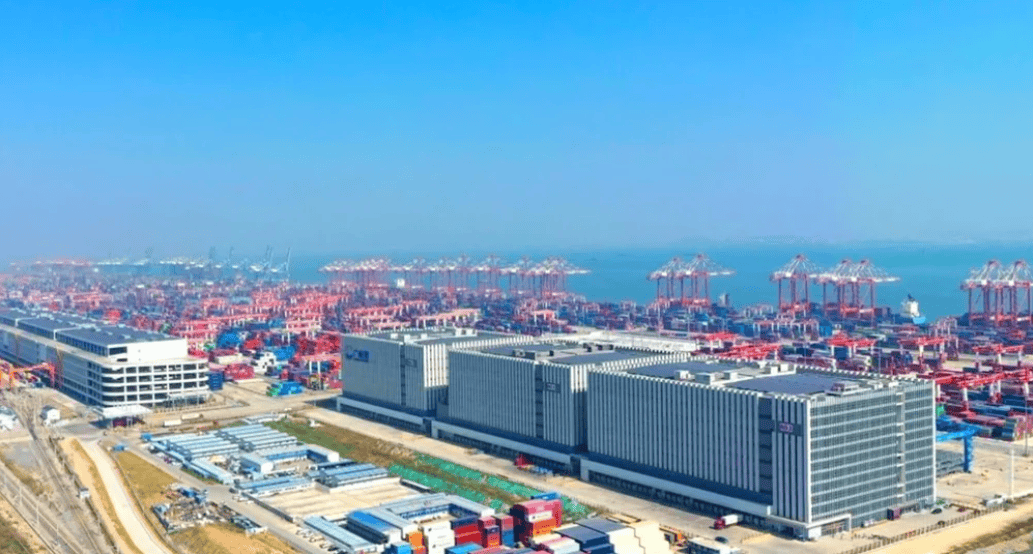
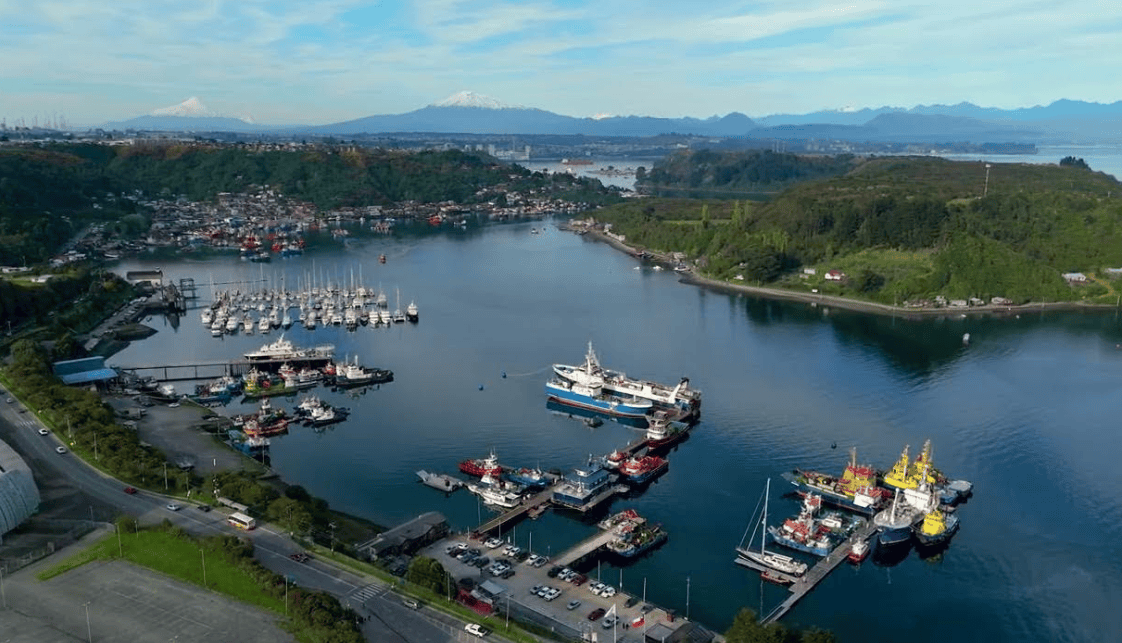
The plan proposes building a port layout with the Pearl River Delta port cluster as the core and the eastern and western Guangdong port clusters as development support points, focusing on enhancing the status of Guangzhou Port and Shenzhen Port as international hub ports, promoting both ports to reach world-class strong port standards, and strengthening coordination among the ports of Guangdong, Hong Kong, and Macao to optimize cargo diversion and international shipping route layout.
Key projects to be advanced include the Phase V project of the Nansha Port Area of Guangzhou Port, the container terminal project of the East Operation Area of the Yantian Port Area of Shenzhen Port, as well as the 200,000-ton-class navigation channel of Guangzhou Port and the Phase II project of the seaward navigation channel of the Western Port Area of Shenzhen Port. The plan proposes that by 2030, major port areas of the Greater Bay Area port cluster will achieve full coverage of navigation channels of 100,000-ton class and above.
Guangdong plans to add and improve 164 kilometers of inland waterways, with the mileage of high-grade inland waterways reaching 1,678 kilometers by 2030. Key efforts will focus on capacity expansion and upgrading of backbone waterways such as the Xijiang, Beijiang, Dongjiang, and Hanjiang rivers, improving inland navigation conditions in eastern, western, and northern Guangdong, and strengthening the connection between trunk waterways and tributary waterways to enhance river-sea direct transport and water-to-water transshipment capabilities.
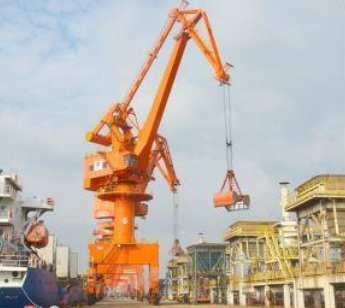
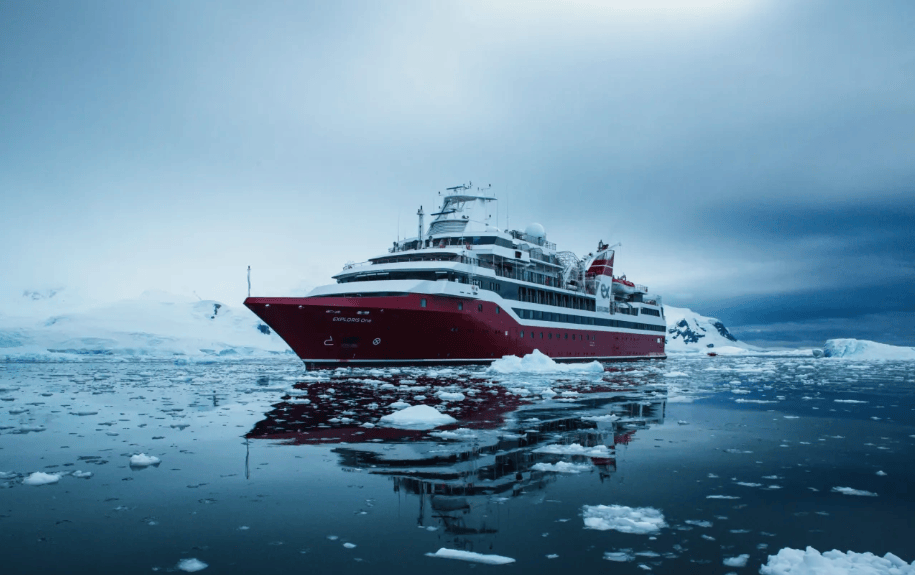
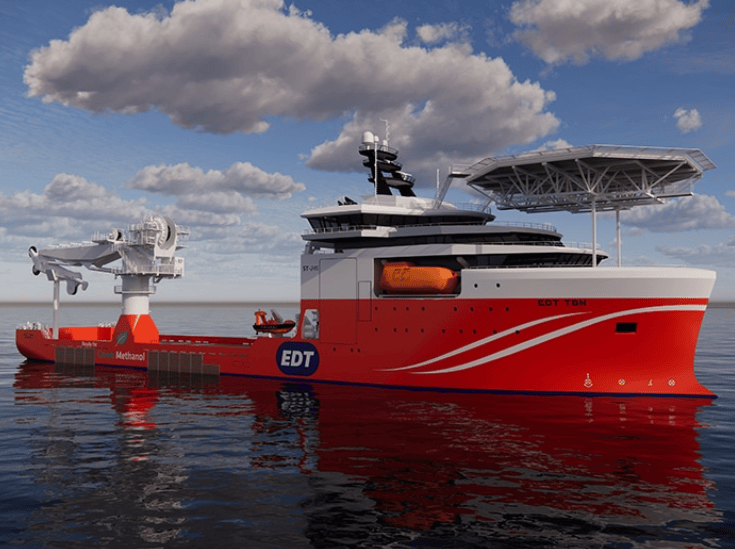
The plan proposes advancing automated terminal renovation, building digital waterway monitoring networks, and promoting the application of artificial intelligence and BeiDou navigation technology in port and shipping management. At the same time, it promotes the popularization of shore power at ports, photovoltaic power generation at storage yards, and replacement of equipment with clean energy, and improves bunkering facilities for green ship fuels such as liquefied natural gas and methanol.
The plan also incorporates port safety and supply chain resilience into its construction tasks, proposing to improve emergency response capabilities for port operations, waterway navigation, and marine pollution, strengthen intelligent early warning and emergency response for accidents such as ship collisions, and enhance the water transport system's ability to respond to emergencies.
Related Products
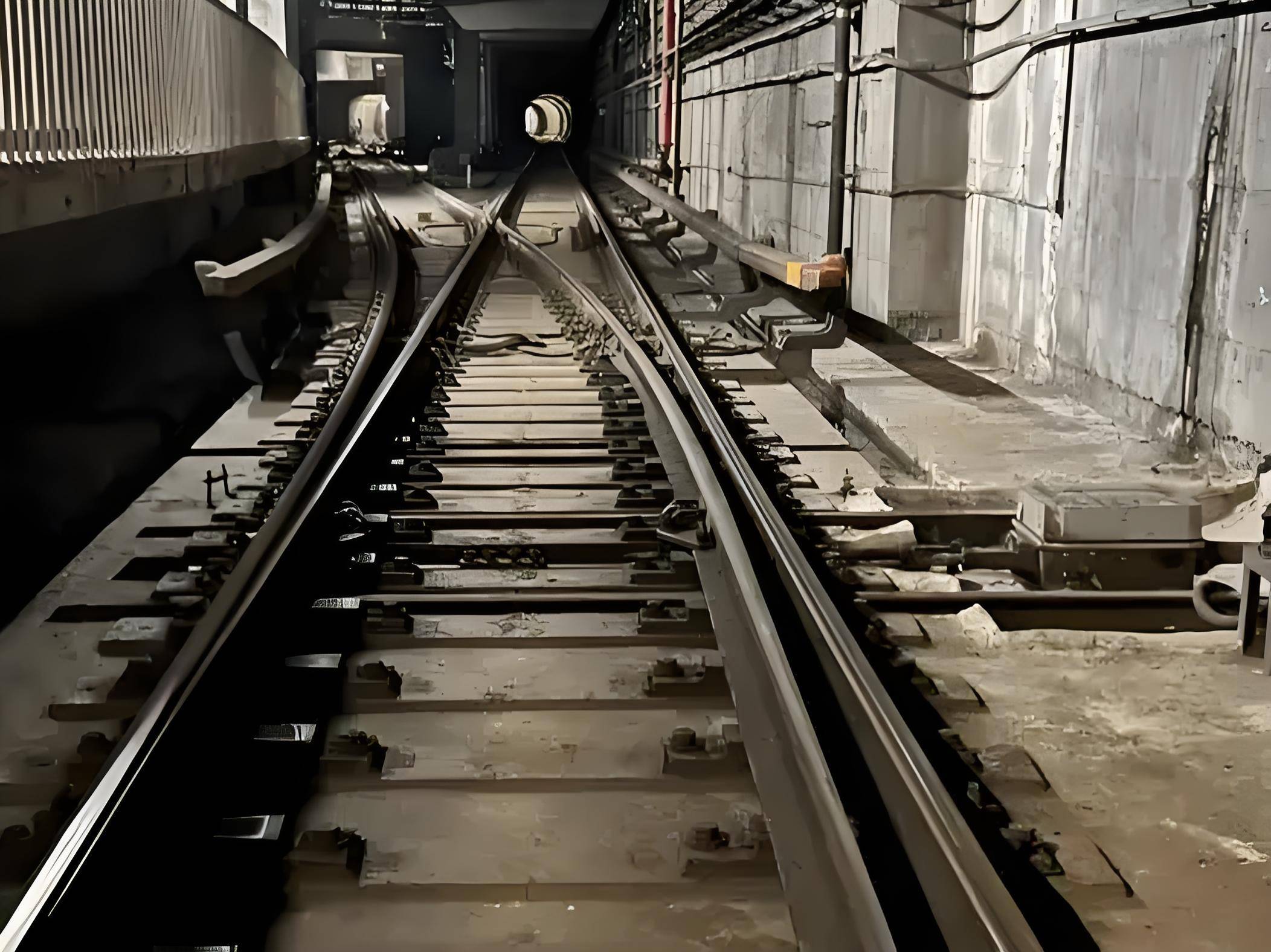

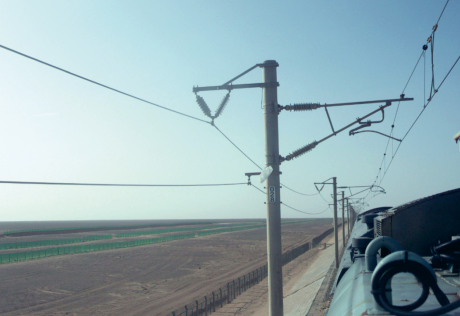
Pantograph-Catenary Comprehensive Detection Device (1C)
CHENGDU TANGYUAN ELECTRIC CO., LTD.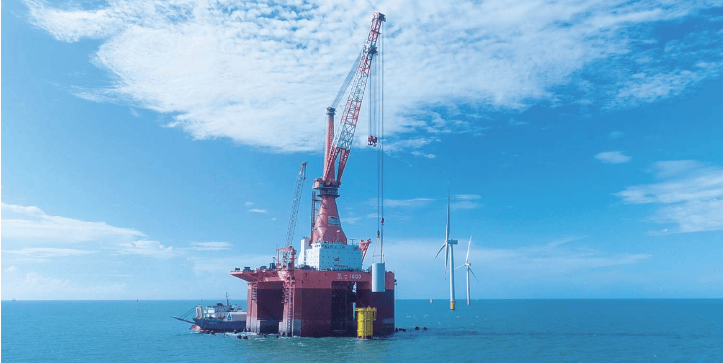
"Shunyi 1600" Deep-submerging Bottom-sitting Multi-functional Wind Power Engineering Vessel
Zhengli Offshore Engineering Co., Ltd.
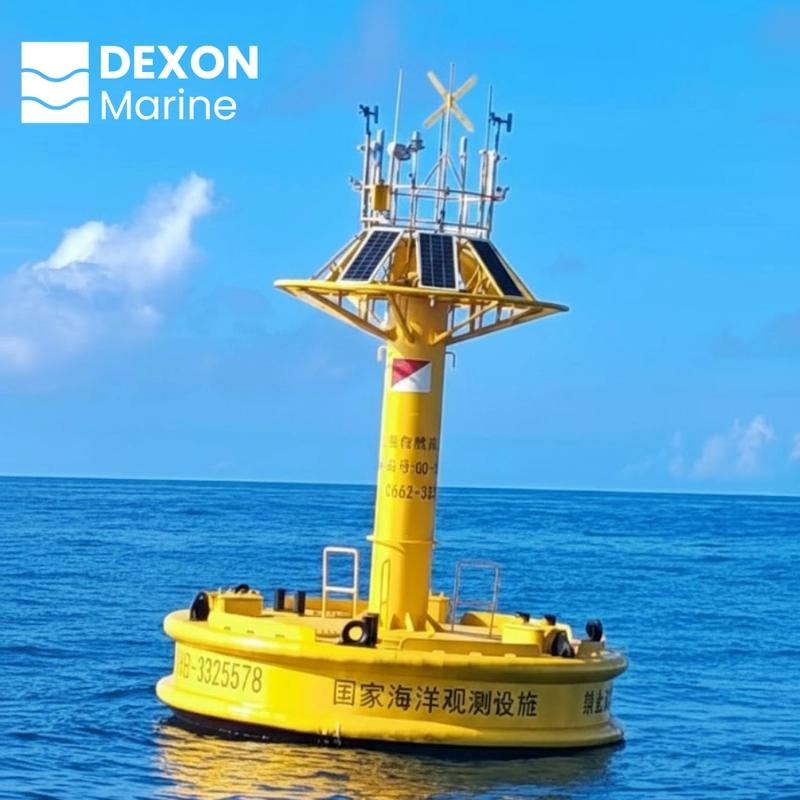
3m intelligent buoy combining navigation safety and real-time marine monitoring integrated navigation and marine monitoring system for real-time maritime data
Chengdu Dixin Technology Co., Ltd.