Indonesia’s Palm Oil Export Revenue Jumps 43% to Us$24.8 B in January–August 2025
Wedoany.com Report-Nov. 3, Indonesia’s palm oil export revenue rose sharply in the January–August 2025 period, reaching US$24.79 billion (Rp412 trillion), up 43 percent year on year, according to data from the Indonesian Palm Oil Association (Gapki). The increase was supported by stronger global prices and higher production levels, reinforcing the sector’s key role in the country’s export earnings.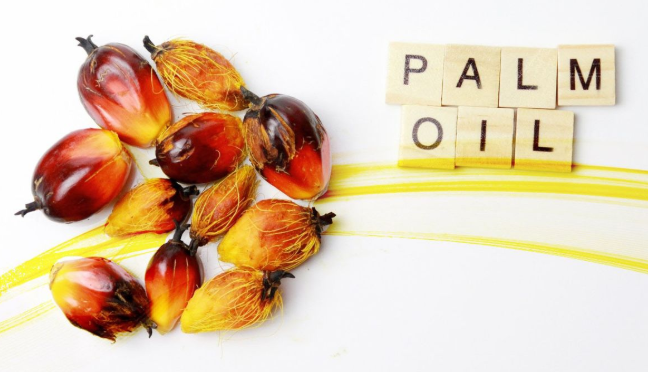
Export volumes also grew 15 percent to 22.69 million tons, compared with 19.68 million tons in the same period last year. The average price of crude palm oil (CPO) climbed to US$1,204 per ton, up from US$1,009 per ton a year earlier, reflecting firm global demand and market conditions.
Gapki Secretary-General Hadi Sugeng said on Tuesday, October 28, 2025: “Last year, CPO prices were already high, prompting some regions to switch to other vegetable oils. This year, our production has improved.” The recovery in production, combined with solid export performance, has strengthened Indonesia’s position as the world’s largest palm oil producer and exporter.
Higher export shipments were recorded to several key destination markets, including Malaysia, China, Africa, the European Union, Russia, and the United States. These markets continued to show strong demand for Indonesian palm oil and related products, contributing to the growth in overall export revenue.
By August, Indonesia’s CPO production had reached 35.65 million tons, a 13 percent increase from the same period last year. When combined with palm kernel oil (PKO), total output amounted to 39.03 million tons, also up 13 percent year on year. This steady rise in production reflects improvements in plantation yields and favorable weather conditions across major producing regions.
“We expect full-year output to continue growing compared with last year. Our estimate is a ten percent increase, reaching around 56 to 57 million tons,” Hadi added. The outlook indicates continued strong supply to meet both export and domestic market needs through the remainder of 2025.
Domestic consumption also increased by 5 percent to 16.4 million tons, mainly supported by rising biodiesel demand. Biodiesel use expanded 12 percent, absorbing about 8.3 million tons of CPO, driven by government blending programs and higher energy requirements. In addition, consumption for food products reached 6.57 million tons, while oleochemical use totaled 1.48 million tons.
Indonesia’s palm oil industry continues to play a central role in the national economy, supporting employment, exports, and energy diversification. With stable prices, increasing production, and expanding domestic and international demand, the sector remains well-positioned for sustainable growth through the rest of the year.
Related Products



4HS-8 High-efficiency Peanut Inverted-laying Harvester
Hebei Yongfa Hongtian Agricultural Machinery Manufacturing Co., Ltd.
714CD Series C-Band Weather Radar
Chengdu Zhongdian Jinjiang Information Industry Co., Ltd.