
Gavi, Unicef Sign Deal to Cut Malaria Vaccine Price
Wedoany.com Report-Nov. 25, Gavi, the global vaccine alliance, and Unicef have secured an agreement with the Serum Institute of India that will reduce the price of the R21 malaria vaccine by 25 percent to $2.99 per dose within approximately one year.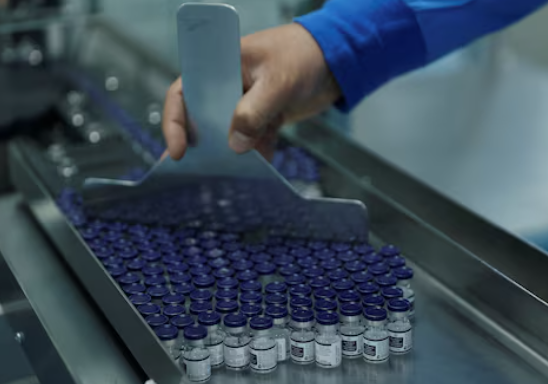
An employee collects vials of the R21 malaria vaccine afer they are labelled inside a lab at the Serum Institute of India, Pune, India, February 27, 2024.
The previous price was around $4 per dose. Unicef procures the vaccines using funds provided by Gavi, which supports immunization programs in lower-income countries.
The price reduction is expected to generate savings of approximately $90 million over the next five years, enabling the purchase of an additional 30 million doses and providing protection for up to 7 million more children.
Earlier this year, Gavi received $3 billion less than its fundraising target as several major donors redirected resources to other areas.
Leila Pakkala, director of Unicef's supply division, stated: “At this critical juncture of unprecedented decline in funding for international aid, Unicef is determined to continue our proactive work with partners."
Full protection against malaria requires four doses, bringing the total cost per child to $11.96 once the new pricing takes effect.
Malaria continues to cause more than 500,000 deaths each year, primarily among children under five in sub-Saharan Africa. According to World Health Organization data cited by Gavi, treating an uncomplicated case costs $4 to $7 per outpatient visit, while severe cases requiring hospitalization can exceed $70.
The R21 vaccine, developed by the University of Oxford and manufactured by the Serum Institute of India, joins the RTS,S vaccine produced by GSK as one of two WHO-recommended malaria vaccines currently available. The GSK vaccine is currently priced at approximately $10 per dose, though production is scheduled to transition to Bharat Biotech in 2028, at which point the price is expected to be reduced by half.
The lower cost of R21, combined with the forthcoming price adjustment for the second vaccine, is anticipated to significantly expand access to malaria prevention across affected regions despite constrained international funding. The agreement demonstrates continued efforts to improve affordability and supply of essential vaccines for children in high-burden countries.


