
| Type of Notice | Tender Announcement |
|---|---|
| Notice Number | 128484957 |
| Description |
Project Name: Provision of services for engineering implementation, fault repair, and supporting works for water supply and wastewater networks and facilities managed by Cordoba Water Company - EMPROACSA. Proactive Inspection, Preventive Maintenance, and Fault Repair for Water Supply and Sewer Network Systems Service Positioning: This is the foundation and core of the service, aiming to reduce fault occurrences through proactive intervention and control the impact of faults through rapid response. Proactive Network Inspection and Condition Assessment Regular Foot/Vehicle Patrols: Conduct visual inspections of ground surfaces along main pipelines, distribution pipes, sewer mains, and important branch lines within designated areas to identify signs of leakage (e.g., water seepage on roads, abnormally lush vegetation, subsidence), and inspect the external corrosion and integrity of exposed pipe sections, valve boxes, fire hydrants, air valves, and drain valves. Valve Operation and Maintenance Plan: Perform periodic testing of valve (isolation valves, control valves, air valves, drain valves) opening and closing operations to ensure flexibility, and carry out maintenance work on valve chambers such as desilting, rust removal, repainting, and packing replacement. Establish and update valve asset cards. Flow and Pressure Monitoring Point Maintenance: Conduct regular inspections, data downloads, probe cleaning, and calibration verification for fixed or temporary pressure and flow monitoring instruments installed on the network to ensure data reliability, providing a basis for hydraulic model updates and leakage control. Preparation of Maintenance Reports: Provide standardized reports after each inspection, recording issues found, GPS locations, preliminary risk assessments, and recommended actions. Network Leak Detection and Location Passive Leak Detection: Establish a 7x24-hour alarm receiving mechanism for rapid response to user-reported leaks or pressure anomaly areas forwarded by EMPROACSA. Active Leak Detection: Conduct systematic leak surveys using professional equipment in specific high-leakage areas or as per regular schedules, based on contract requirements or EMPROACSA instructions. Technical Requirements: Acoustic Detection: Proficient in using electronic listening sticks, correlators, noise loggers (fixed or mobile), and other equipment to effectively identify and precisely locate leaks under various conditions including different pipe materials (cast iron, ductile iron, steel, PVC, PE), different burial depths, and different environmental noise interference. Auxiliary Non-Acoustic Techniques: Use supplementary techniques such as gas tracing (e.g., helium) and ground-penetrating radar (for locating soil voids caused by leaks) when necessary. Leak Confirmation and Marking: After location, perform final confirmation via methods like drilling and listening, and make clear, standardized markings on the ground. Provide detailed reports containing coordinates, estimated leakage volume, pipe material and diameter, burial depth, etc. Emergency Pipeline Fault Repair and Minor Maintenance Open-Cut Repair: For damaged pipes requiring excavation, execute the full process from traffic management, safety barriers, earthworks excavation, pipe cutting and replacement (or installation of repair clamps), welding/fusion/flange connection, backfilling and compaction, to temporary/permanent road surface restoration. Must comply with local road excavation permit regulations and backfill material standards. Trenchless Repair: To minimize disruption to public traffic and the environment, priority should be given to and proficiency demonstrated in various trenchless repair techniques, selecting appropriate solutions based on pipe defect type and condition: Spot Repair: Use stainless steel swagelining, epoxy resin local lining, spot CIPP, and other technologies to repair local cracks and joint leaks. Structural Repair: For structural damage to longer pipe sections, techniques may involve slip-lining with HDPE pipes, CIPP full-length lining, pipe bursting, etc. The contractor must possess corresponding technical capabilities and construction experience. Auxiliary Facility Repair: Repair or replace damaged fire hydrants, air valves, drain valves, meter chamber covers, anti-fall nets, etc. Operational Support and Maintenance for Pump Stations, Valve Groups, and Pressurization Facilities Scope of Service: Covers key nodal facilities for lifting, pressurization, and flow control. Pump Unit MaintenanceRegular Maintenance: Perform monthly, quarterly, and annual maintenance according to equipment manufacturer recommendations and EMPROACSA standards. Content includes checking motor insulation resistance, bearing temperature and vibration, coupling alignment, seal and lubrication conditions, fastener status, etc. Performance Testing: Regularly conduct start-stop tests and performance curve verification (where feasible), recording parameters such as flow, head, current, voltage, etc., to assess pump efficiency decline. Fault Diagnosis and Repair: Perform on-site diagnosis, disassembly, repair, or replacement of components for faulty pumps (e.g., bearing damage, mechanical seal failure, impeller wear or cavitation, motor burnout). May involve coordination with specialized pump repair workshops. Standby Pump Management: Ensure standby pumps are in a ready-to-use hot or cold standby state. Electrical and Control System MaintenanceLow-Voltage Switchgear: Check the operating status of circuit breakers, contactors, relays, frequency converters, clean dust, tighten terminal connections, and test protection functions. Control Systems: Check wiring and communication status of PLC cabinets, SCADA RTUs, sensors (pressure, flow, level, water quality). Assist with simple program backups or parameter settings (under EMPROACSA authorization). Safety Systems: Test ventilation, lighting, fire alarm, gas detection (for sewage pump stations) and other safety facilities. Valve and Piping Systems (Within Stations) Valve Maintenance: Maintain gate valves, butterfly valves, check valves, pressure reducing valves, relief valves, etc., on process piping within stations to ensure smooth operation and good sealing. Filter Cleaning: Clean filters and Y-strainers. Supporting Maintenance Operations for Wastewater Treatment Plants and Outfalls Scope of Service: If the service scope extends to small wastewater treatment facilities or key outfalls. Pretreatment Units: Remove and dispose of debris intercepted by screens, clean grit chambers. Mechanical Equipment: Maintain mechanical and electrical parts of mixers, propellers, scrapers, sludge pumps, etc. Process Piping and Valves: Maintain complex process piping, valves, and weirs within the plant area. Outfalls and Sampling Points: Keep outfalls unobstructed, maintain automatic samplers (if equipped). Minor Works and Improvement Projects Project Definition: Refers to facility improvements, capacity expansions, or safety enhancements closely related to operation and maintenance but not constituting independent large-scale projects. Local Network Modifications: Short pipe section laying and connections due to customer connections, road modifications, bottleneck elimination, or pipeline relocation. Facility Renewal: Replace old valve groups, install new fire hydrants, add drain or air valves, construct small valve chambers or meter chambers. Safety Improvements: Install anti-fall devices for existing valve chambers, repair or replace damaged chamber covers and frames, add safety warning signs. Technical Upgrade Support: Assist EMPROACSA in implementing pilot projects for new technologies, such as installing DMA (District Metered Area) boundary flow meters, pressure management systems, etc., responsible for related civil works and pipeline installation. Response Levels and Service Level Agreement Agreement Requirements: The contract must clearly define response and resolution timeframes for events of different priorities. Level 1 Emergency (e.g., main pipe burst, large-scale water outage, pump station failure): Must arrive on-site and begin handling within X hours (e.g., 2 hours) of notification. Level 2 Urgent (e.g., important branch pipe leak, local loss of water pressure): Respond within Y hours (e.g., 4-6 hours). Level 3 General (e.g., minor seepage, non-critical facility fault): Respond within Z hours (e.g., 24 hours) or include in the next scheduled work order. Preventive Maintenance Work: Strictly execute according to the mutually agreed annual/monthly plan. Health, Safety, and Environmental Management Safety Plan: The contractor must develop and implement a detailed construction site safety plan compliant with Spanish and EU occupational safety regulations. Especially for work in confined spaces (valve chambers, underground tanks), road works, live electrical work, and work in hazardous gas environments in wastewater facilities, strict entry procedures, gas detection, ventilation, and rescue plans are mandatory. Personnel Qualifications: On-site personnel must hold valid qualification certificates for relevant trades (electrician, welder, confined space entry, crane operator, etc.) and receive regular safety retraining. Environmental Management: Construction wastewater, waste oil, used batteries, and other hazardous waste must be collected separately and handed over to licensed entities for disposal. Contaminated excavated soil must be disposed of according to regulations. Minimize the impact of construction noise and dust on surrounding residents. Quality Management and Documentation Delivery Material and Workmanship Standards: All used pipes, fittings, valves, coatings, and other materials must comply with Spanish UNE standards or equivalent international standards, and quality certificates must be provided. Processes like welding and fusion must be performed by qualified personnel, and non-destructive testing (e.g., X-ray inspection) may be required. Process Records: For every repair or engineering task, standardized work orders must be completed, recording fault description, cause analysis, actions taken, materials used, man-hours, before-and-after photos, etc. As-Built Documentation: For minor works, submit simplified as-built drawings (or GIS data updates), material lists, test reports. Performance Reports: Regularly (monthly/quarterly) submit service performance reports to EMPROACSA, summarizing completed workload, response time compliance rate, repeat fault rate, material consumption, customer (end-user) complaint handling, and other Key Performance Indicators (KPIs). Communication and Coordination Mechanism Appointed Project Manager: Both parties must appoint a fixed project manager as the interface for daily communication and technical coordination. Work Order Management System: Ideally, the contractor should be able to integrate effectively with or access EMPROACSA's asset management system (e.g., Maximo, SAP) or work order dispatch system to enable electronic receipt, processing, and feedback of work orders. Emergency Contact Channel: Establish a 7x24-hour uninterrupted emergency contact center to ensure instructions from EMPROACSA can be received at any time. Technical Resources and Innovation Application Expectations Expected Goals: To perform the contract excellently, the contractor should demonstrate or commit to deploying the following resources and technologies. Specialized Team: Possess an integrated team consisting of certified plumbers, welders, electricians, mechanics, leak detection technicians. Advanced Equipment Inventory: Including: Various earthmoving equipment such as excavators, compactors. Pipe welding (electrofusion, butt fusion) and cutting equipment. Complete leak detection equipment (correlators, listening sticks, noise loggers). Pipe CCTV inspection equipment (for internal inspection of sewer pipes or large-diameter water mains). High-pressure jetting trucks, vacuum trucks. Mobile generators, lighting towers, ventilation equipment. Technology Application Capability: GIS Integration: Ability to use EMPROACSA's GIS maps for work navigation and asset queries, and provide feedback on updated asset status information. Mobile Operations: Equip field personnel with mobile terminals for real-time work order receipt, on-site data entry, and photo uploads. Data Analysis: Ability to conduct preliminary analysis of leak detection data and repair history to identify high-frequency fault areas, providing data support for EMPROACSA's asset investment decisions. Tender and Contract Key Information Procuring Entity: Board of Directors of Cordoba Provincial Water Company (Procuring Authority). Contract Type: Service Contract (Maintenance and Repair Services). Tendering Procedure: Open tender, ordinary procedure. Estimated Total Contract Value (Excluding VAT): 429,855 Euros. Tender Base Price (Including VAT): 520,125.22 Euros. Execution Period: 6 months. Execution Location: Province of Cordoba, Spain (Territorial Code ES613), with specific service areas divided into two lots. Lot Division Details: Lot 1 - Los Pedroches District: Estimated Value (Excluding VAT): 134,898.5 Euros. Tender Base Price (Including VAT): 163,227.85 Euros. Core CPV: 50510000 (Repair and maintenance services of pumps, valves, etc.). Lot 2 - Guadiato District: Estimated Value (Excluding VAT): 294,956.5 Euros. Tender Base Price (Including VAT): (Inferred from total amount, not fully displayed in document). CPV Scope: Expected to cover pipeline construction, repair, etc. (refer to overall CPV classification). Tender Rules: Tender Requirement: Tenderers must submit bids for both lots. Award Limitation: However, a single tenderer can be awarded a maximum of one lot. Tender Submission Method: Electronic bids must be submitted via the designated external electronic platform (Vortal community link). Key Qualification Requirements: Professional Qualifications: Tenderers must prove they possess the specific qualifications stipulated in Annex I of the tender documents or relevant alternative classification (the document mentions reference to Annex I). General Conditions: Must meet multiple access conditions stipulated by Spanish public procurement law, including legal capacity, no record of debarment, fulfillment of social security and tax obligations, prior registration in ROLECE (Official Contractor Registry), etc. Foreign tenderers must declare compliance with Spanish law. Funding Source: Not funded by EU funds. Electronic Auction: This tender does not use an electronic auction to determine the awardee. |
| Documents |  Attachment.pdf (24.45 K) Attachment.pdf (24.45 K) |
Expired Tender for Engineering Services, Fault Repair, and Supporting Works for Cordoba Water Company, Spain
| Organization | Presidencia del Consejo de Administración de la Empresa Provincial de Aguas de Córdoba S.A. | Country | Spain |
|---|---|---|---|
| Contact | Tel. | View more | |
| View more | Address | Avda. del Mediterraneo s/n, (14011) Córdoba, España | |
| Release Date | 2026-02-26 | Validity | 2026-03-02 |
Details
The tender information on this website is provided for reference only. If you intend to bid, please verify the authenticity and accuracy of the information with the tendering party. Our company reserves the right to adjust website content at any time and assumes no direct or indirect liability for it.Email: news@wedoany.com
Related Tenders
Related Products
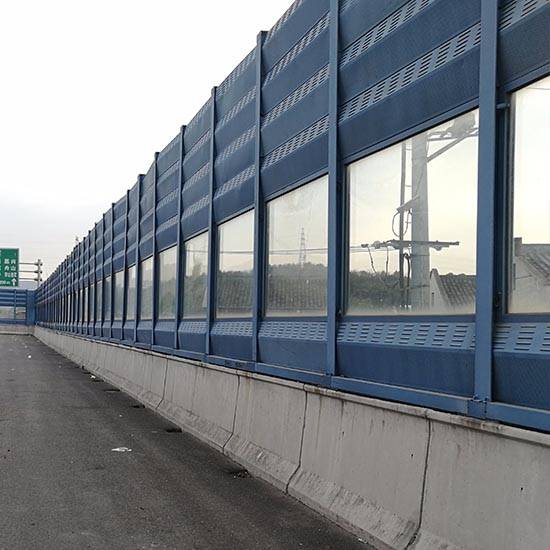
Metal sound barriers that can reduce the transmission of road noise
Negotiable /Square meters
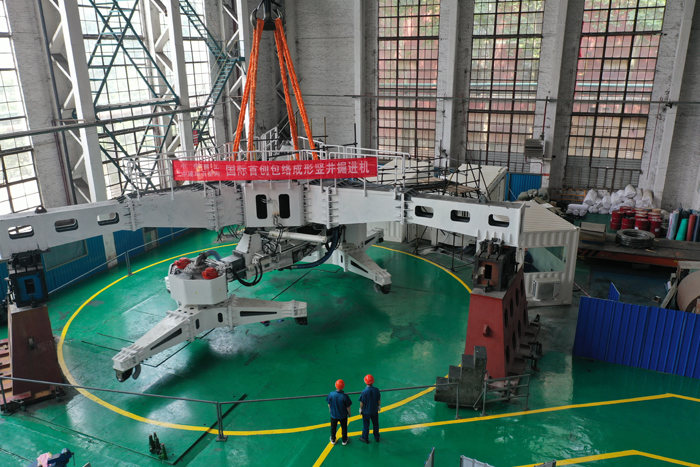
CITIC Heavy Industries Tunneling Equipment Tunnel Engineering Shield Machine
Negotiable
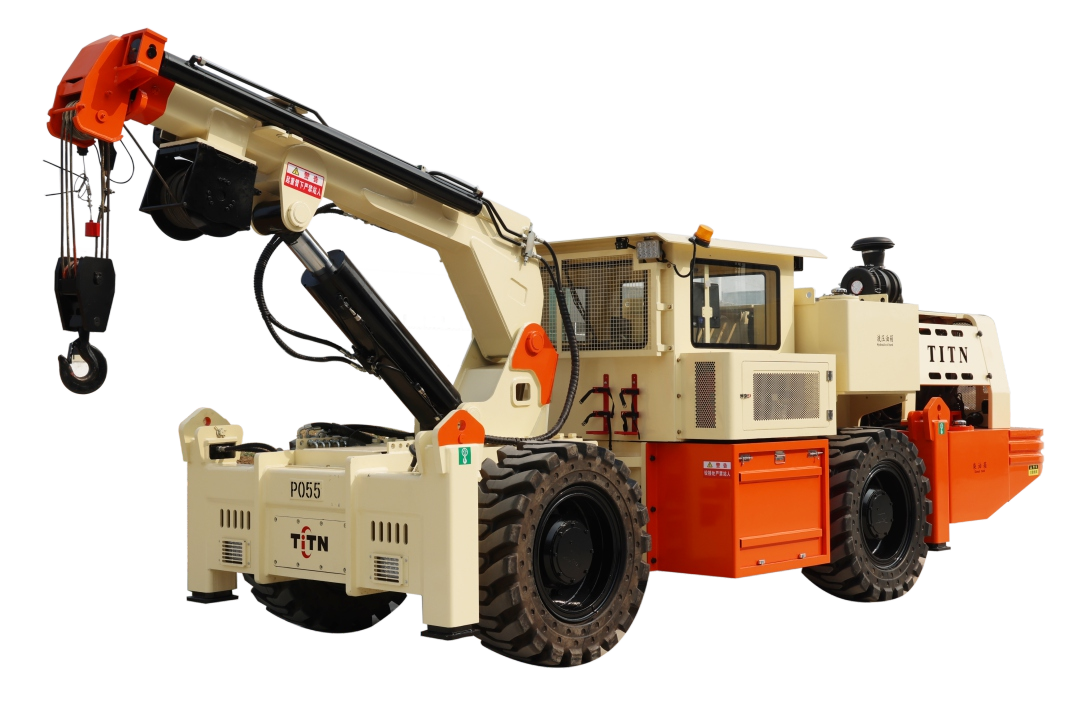
FQ-9000 Underground Crane
Negotiable
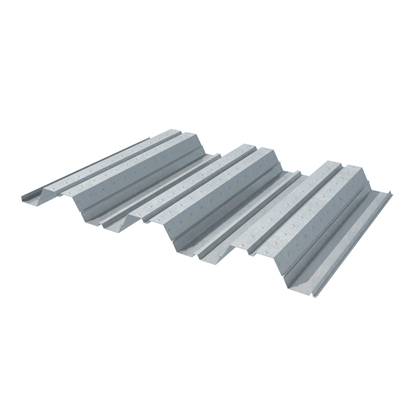
Profiled Steel Composite Floor Deck
Negotiable /m²
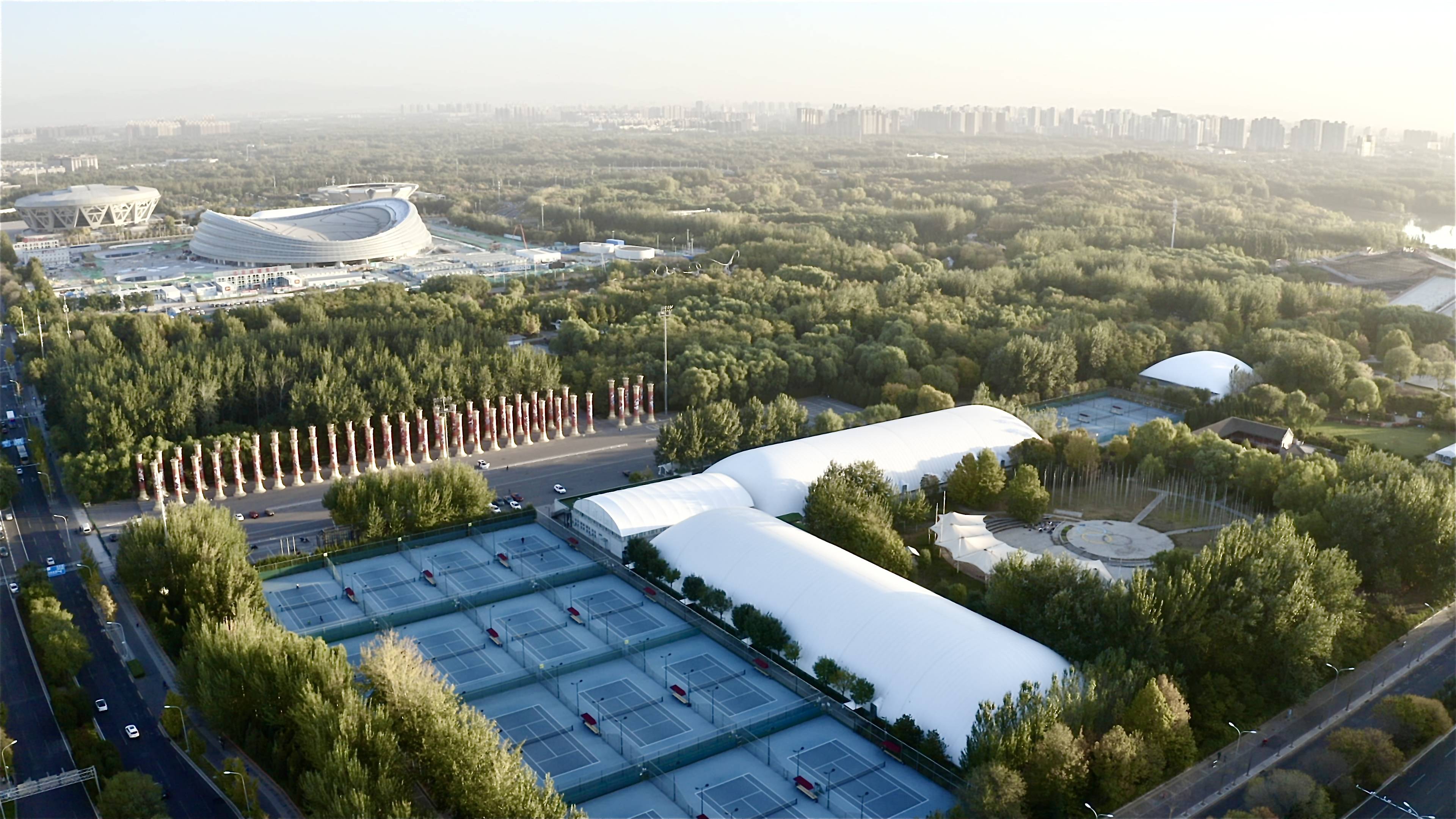
Air-supported Membrane Venue
Negotiable /m²

Hotel Elevator
Negotiable
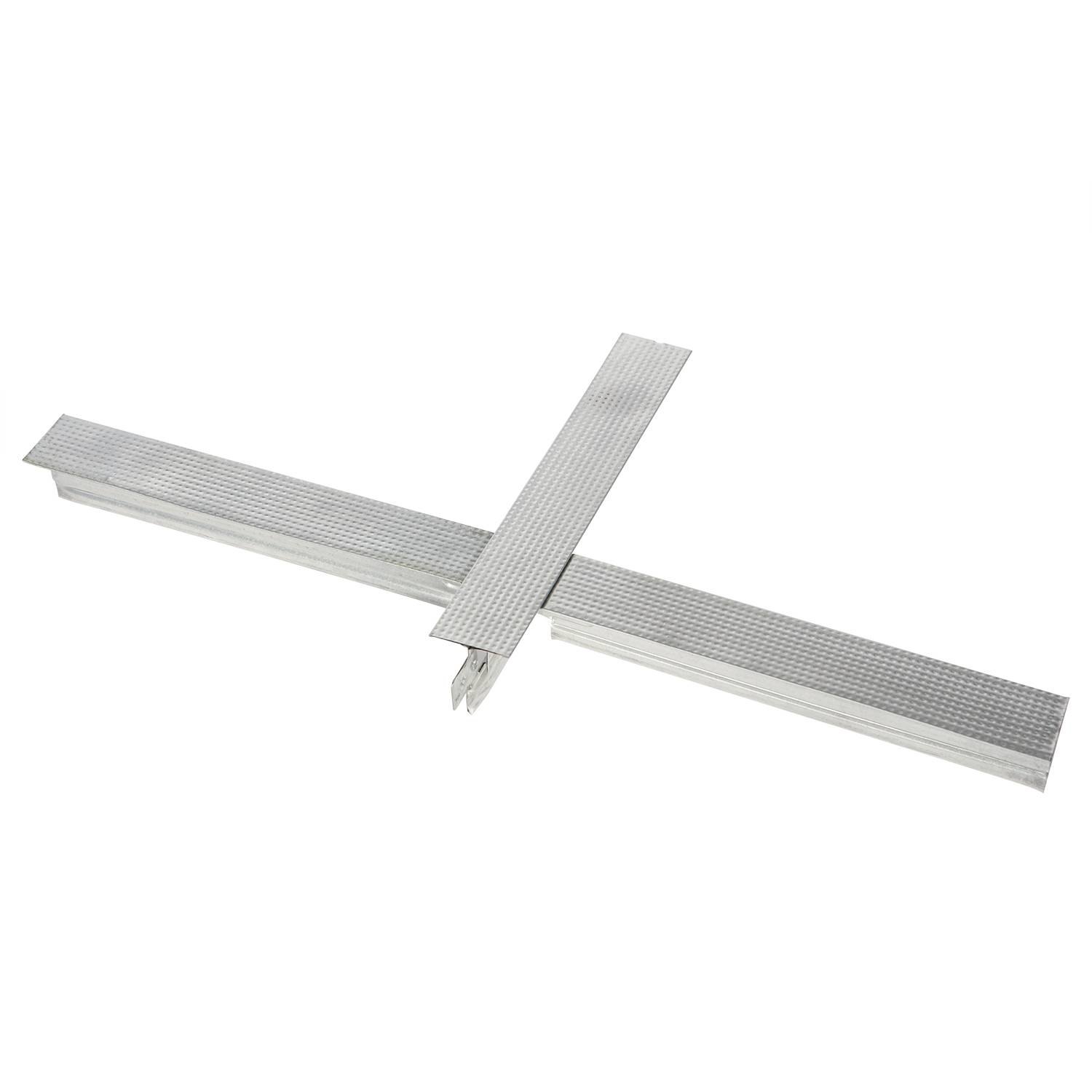
T-Shaped Painted Keel
Negotiable
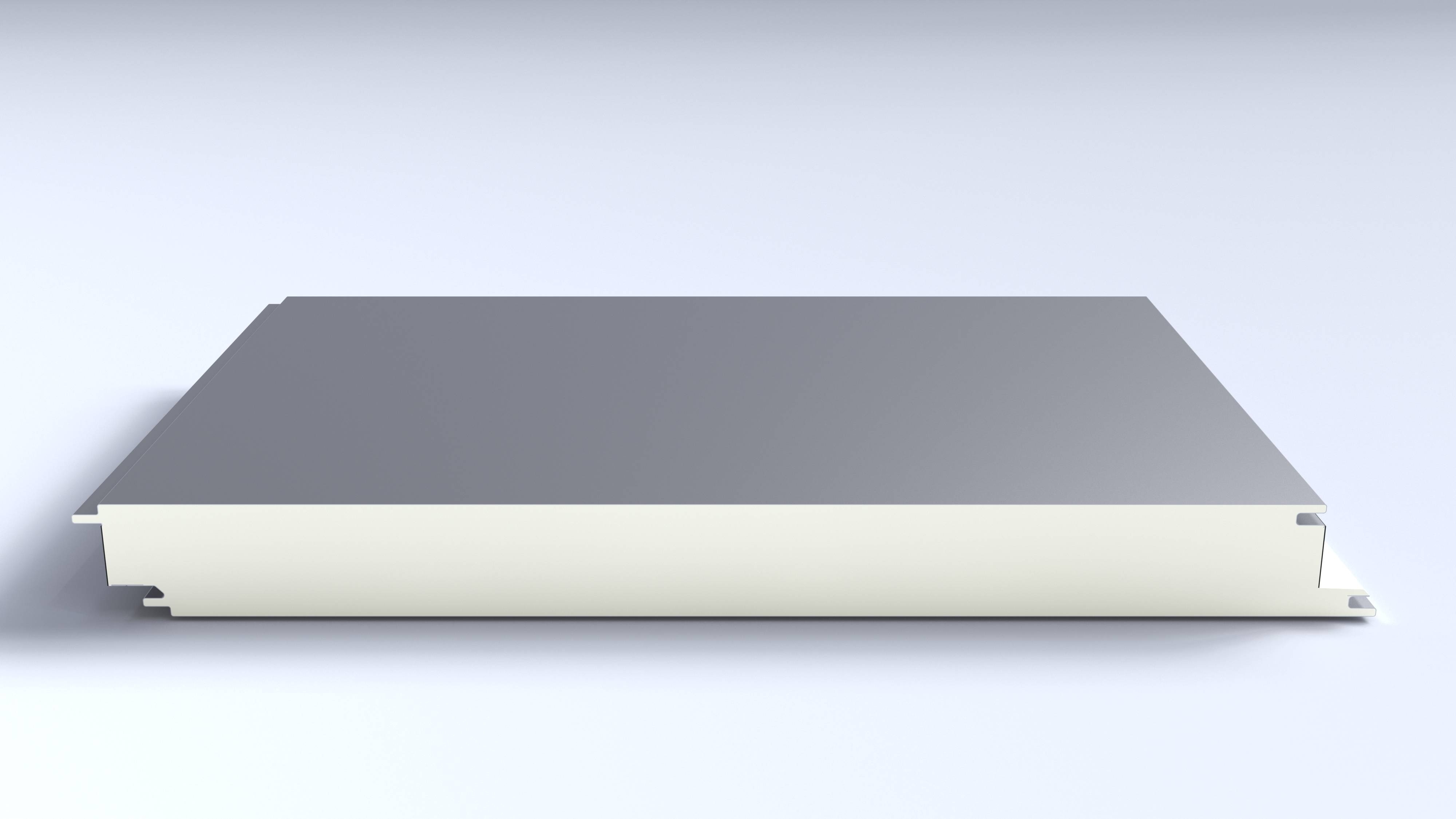
Pure Polyurethane Wall Panel BD-AEF-PIR-01
Negotiable

Wide and Heavy Plate
Negotiable
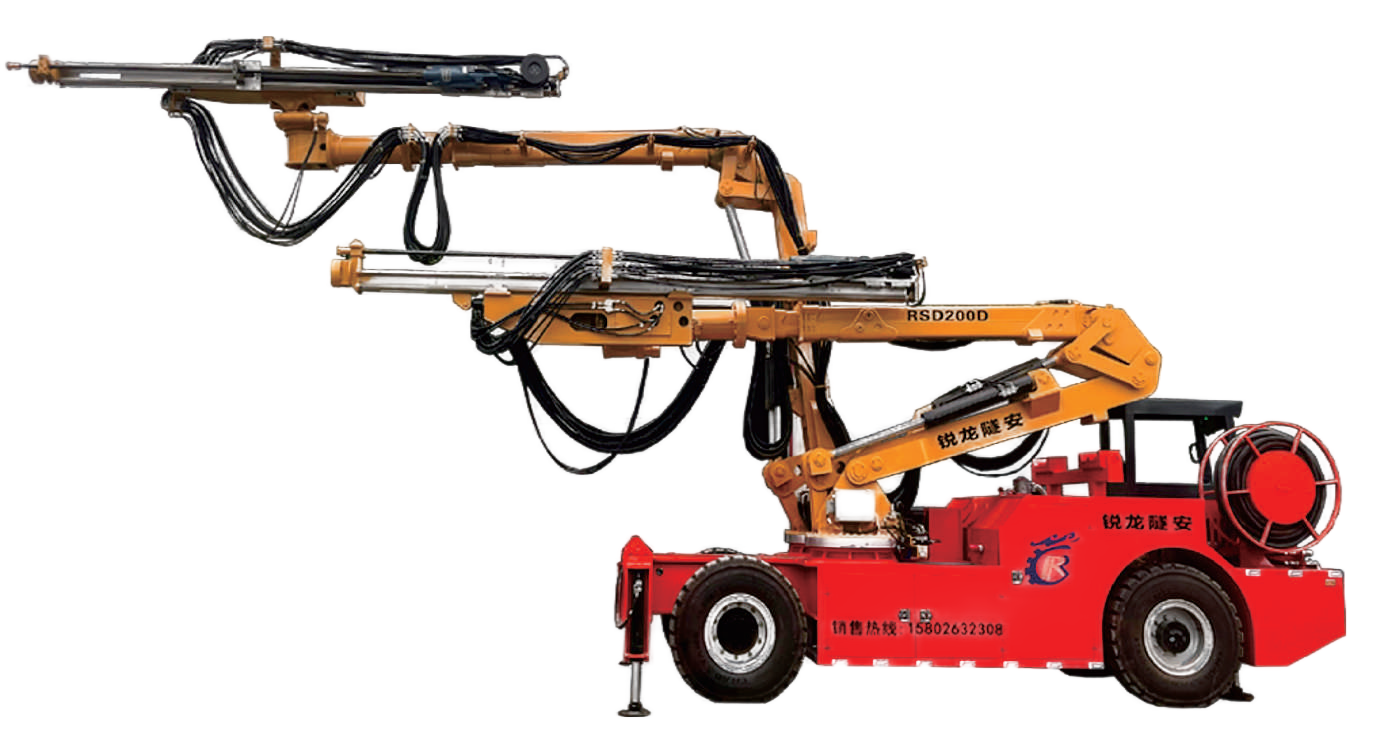
Dual-curved Arm Rock Drilling Trolley RSD200D
Negotiable
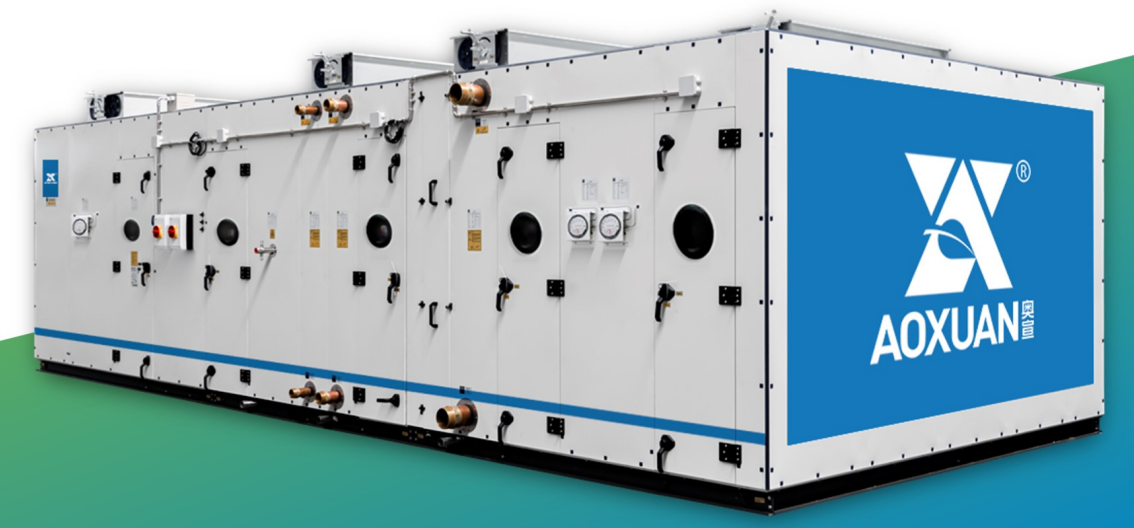
Aoxuan Intelligent Precision Air Conditioning Unit
Negotiable
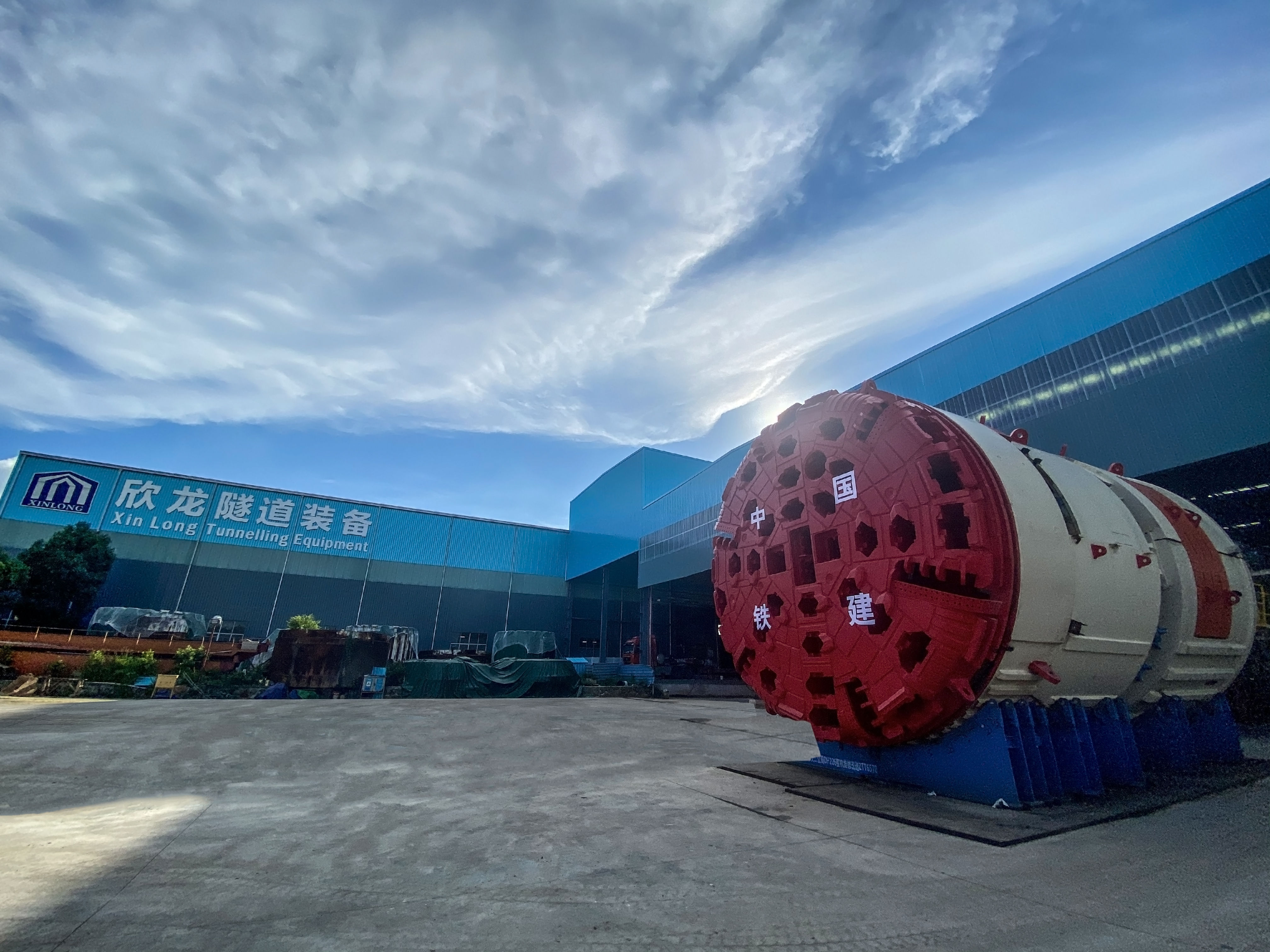
Shield Machine Remanufacturing DH226
Negotiable