
| Notice Type | Tender Announcement |
|---|---|
| Notice Number | 130345335 |
| Description |
Tender Name: Fv. 5591 Lærdalsfjorden Bridge - Design-Build Contract Contract Object: Vestland County Municipality intends to enter into a Design-Build contract. Main contents include: 1) Construction of a new bridge over the Lærdalsfjorden off the island of Sula in Sogndal municipality; 2) Upgrading and improvement of the Fv. 5591 Noravegen county road on both sides of the fjord. New Lærdalsfjorden Bridge Project Project Background and NecessityThe new Lærdalsfjorden bridge project is located off the island of Sula in Sogndal municipality, Vestland county, Norway. The core motivation is to replace the existing outdated bridge, which has become a traffic bottleneck. According to plans, the Eysterstansund Bridge will officially open to traffic in November 2026, after which all traffic to Sula island will converge via the Lærdalsfjorden bridge. Therefore, the construction of the new bridge and the upgrading of supporting facilities must be completed before the opening of the Eysterstansund Bridge to ensure the capacity and safety of the regional road network. Main Technical Parameters and Structural Form of the BridgeTotal Length and Span: The new bridge will be approximately 75 meters long and is planned to cross the fjord in two spans. The specific span distribution will be determined based on final geological surveys and structural design. Foundation Type: The pier foundations are intended to be constructed using offshore steel pipe pile driving techniques. The steel pipe piles must be driven into stable bearing layers below the seabed to resist ship collisions, ice loads, and seismic forces. Pile design must consider corrosion effects in the marine environment, employing sacrificial anode cathodic protection or coating anti-corrosion systems. Structural Type and Optional Solutions: Although described as a concrete beam bridge in the regional planning scheme, the purchaser explicitly states that the bridge structural type is not yet finalized, allowing the design-build contractor to propose optimized solutions subject to functional requirements and approvals. Possible structural types include: Concrete Box Girder Bridge: Utilizing single-cell or multi-cell box sections, offering high torsional stiffness, suitable for curved or wide bridges, with good aesthetic appeal. Concrete Slab Bridge: Simple structure, convenient construction, relatively low cost, suitable for small to medium span bridges. Concrete Girder Bridge: Using prefabricated T-beams or I-beams, offering fast construction speed and good quality control. Deck Width: The new bridge will be significantly wider than the existing one to provide safer space for pedestrians. Although separate sidewalks or cycle paths are not planned, the widened sections can serve as soft separation zones, improving pedestrian safety. Design Load: Must satisfy the load classes specified in the Norwegian Road Bridge Design Code (N400), considering the passage of heavy vehicles (e.g., fully loaded stone trucks, construction machinery transporters). Navigation Clearance: Must coordinate with the Norwegian Maritime Authority to determine the required vertical and horizontal clearance for small fishing boats and recreational vessels. Old Bridge Demolition and Environmental RestorationDemolition Scope: Complete demolition of the existing old bridge, including superstructure, substructure, and foundations. Demolition Methods: Detailed overwater and underwater demolition plans must be developed, potentially using mechanical cutting, breaking, or blasting. Strict measures must be taken during demolition to prevent debris from falling into the water, and to control noise and vibration to protect marine life. Marine Backfilling and Site Restoration: After demolition, the original marine fill areas (old bridge approach sections) must be backfilled and the site restored, either to the natural shoreline or seamlessly connected to the new road. Backfill materials must meet environmental requirements and be compacted in layers. Special Construction Restrictions and Window PeriodsNoise-Sensitive Period Restrictions: Due to marine life protection concerns in the project area (e.g., fish spawning, seabird habitats), high-noise operations such as pile driving, blasting, and underwater rock drilling must be conducted within specified window periods. The purchaser plans to allow such operations from June 15th each year to January 15th of the following year. Mandatory Progress Requirements: The contractor must complete all pile driving and blasting work by January 2027, otherwise facing a lengthy 5-month shutdown waiting period, significantly impacting the overall schedule. New Bridge Completion Milestone: The main structure of the new bridge must be completed by mid-2027 to allow sufficient time for deck paving, expansion joint installation, railing construction, and load testing. Old Bridge Demolition Deadline: Demolition of the old bridge and site clearance must be fully completed by January 2028, ensuring it does not extend into the next noise-sensitive period. Fv. 5591 Noravegen County Road Upgrade Project Project Scope and LocationThis part of the project involves upgrading the Fv. 5591 Noravegen county road on both sides of the fjord, with a total upgrade length of approximately 700 meters. The current road section has a single-lane standard with sharp curves and steep gradients, lacking safe overtaking and meeting spaces. The upgrade will focus on resolving alignment bottlenecks and improving connection efficiency with the new bridge. Main Contents of Road UpgradeAlignment Optimization: Straightening and grading existing sharp curves and steep slopes to improve horizontal and vertical alignment indices to meet Norwegian county road standards. May involve local cut and fill operations. Roadbed Widening: Widening the existing single lane to a dual-lane standard (specific width to be determined based on design speed, typically 6.5-8.5 meters), adding hard shoulders to provide safe meeting spaces. Pavement Structure Overlay: Milling or breaking the existing pavement and re-laying base course, binder course, and wearing course. The wearing course must use high-skid-resistant asphalt mixtures (e.g., SMA or AC Surf) to ensure driving safety in the damp fjord climate. Drainage System Upgrade: Constructing or modifying drainage facilities such as ditches, catch drains, and culverts to ensure rapid runoff and prevent water accumulation and roadbed erosion. Drainage design must consider environmental requirements, potentially requiring sedimentation basins or oil-water separators. Traffic Safety Facilities: Reinstalling W-beam guardrails or concrete barriers along the entire route (determined by fill height and roadside hazard level), improving traffic signs, markings, delineators, and anti-glare facilities. Special transition zone design is required at bridge approach sections. Connection Design with the BridgeThe key to the road upgrade is achieving a smooth connection with the new bridge. The following issues require focused attention: Bridge Approach Embankment Treatment: Backfill material behind abutments should use lightweight materials (e.g., EPS blocks or foam concrete) or deep reinforcement to strictly control post-construction settlement and prevent bump at bridge ends. Road-Bridge Transition Pavement: Install reinforced concrete transition slabs within a certain distance behind abutments (typically 30-50 meters) and use reinforced asphalt layers to ensure a smooth transition in structural stiffness. At-Grade Intersection Design: If there are at-grade intersections with other rural roads at the bridge ends, channelization design is required, including acceleration/deceleration lanes and turning lanes. Environmental and Landscape ConsiderationsMinimize Land Take: The upgrade should be conducted as much as possible within the existing road right-of-way to minimize impact on surrounding natural landscapes and private land. Vegetation Restoration: Temporary construction areas and excavated slopes must undergo vegetation restoration after project completion, using native grass species and shrubs to harmonize with the natural fjord scenery. Pedestrian-Friendly Design: Although separate sidewalks are not planned, the widened road and bridge sections will provide safer space for pedestrians. Temporary parking bays or viewing platforms can be installed at suitable locations. Overall Project Implementation Requirements Contract Model and Standard This project adopts a Design-Build contract model, following the Norwegian standard NS 8407 "Design-Build Contract". The main contractor is responsible for the overall design and construction of the entire project. Design Services: Complete the entire process from conceptual design, preliminary design to construction drawings, and be responsible for obtaining all necessary public approvals (including building permits, maritime permits, etc.). Construction Services: Responsible for all material procurement, on-site construction, quality control, and safety management. Coordination Management: Coordinate various specialist subcontractors, communicate with the client and supervision, and handle on-site contingencies. Information Provided by Client and Responsibility BoundariesPlanning Documents: The client provides the regional planning scheme (currently in the hearing stage, the final approved version may still change), upon which the contractor must develop detailed designs. Geotechnical Investigation: The client may provide preliminary geotechnical reports, but the contractor is responsible for conducting necessary supplementary investigations before construction, especially detailed geological drilling for offshore pile locations. Existing Facilities Information: The client provides distribution maps of existing underground utilities (cables, fiber optics, water/sewer pipes), but the contractor must conduct on-site trial pit verification before commencing work. Contract Period: Estimated start date is July 7, 2026, estimated completion date is December 1, 2026 (this is the date shown in the document, suspected to be a stage milestone or preliminary schedule; the full construction period should be based on the tender documents). Place of Performance: Sogndal municipality, Vestland county, Norway, in the Lærdalsfjorden and surrounding areas. Economic and Financial Capacity: Provide audited financial statements for the past three years, demonstrating financial strength to undertake the contract value. Similar Project Experience: Successfully completed at least one similar new bridge construction project (including offshore pile foundation work) and one road upgrade project within the past 5-10 years. Must provide completion certificates issued by clients. Demolition Project Experience: Possess a track record and experience in demolition of water-related structures. Management System Certification: Possess a sound Quality Management System (e.g., ISO 9001), Environmental Management System (e.g., ISO 14001), and Occupational Health and Safety Management System (e.g., ISO 45001 or Norwegian SHA requirements). Bidding Rules: Electronic catalogs are allowed. Prequalification applications must be submitted electronically via https://tendsign.com/doc.aspx?MeFormsNoticeId=85173 Accepted Language: Norwegian. |
| Documents |  Attachment.pdf (97.69 K) Attachment.pdf (97.69 K) |
Expired Design and Construction Tender for the Lærdalsfjorden Bridge by Vestland County Municipality, Norway
| Organization | Vestland fylkeskommune | Country | Norway |
|---|---|---|---|
| Contact | Hilde Olsen | Tel. | View more |
| View more | Address | Askedalen 2 Hoved klassifisering ,Norway | |
| Release Date | 2026-03-06 | Validity | 2026-04-07 |
Details
The tender information on this website is provided for reference only. If you intend to bid, please verify the authenticity and accuracy of the information with the tendering party. Our company reserves the right to adjust website content at any time and assumes no direct or indirect liability for it.Email: news@wedoany.com
Related Tenders
Related Products
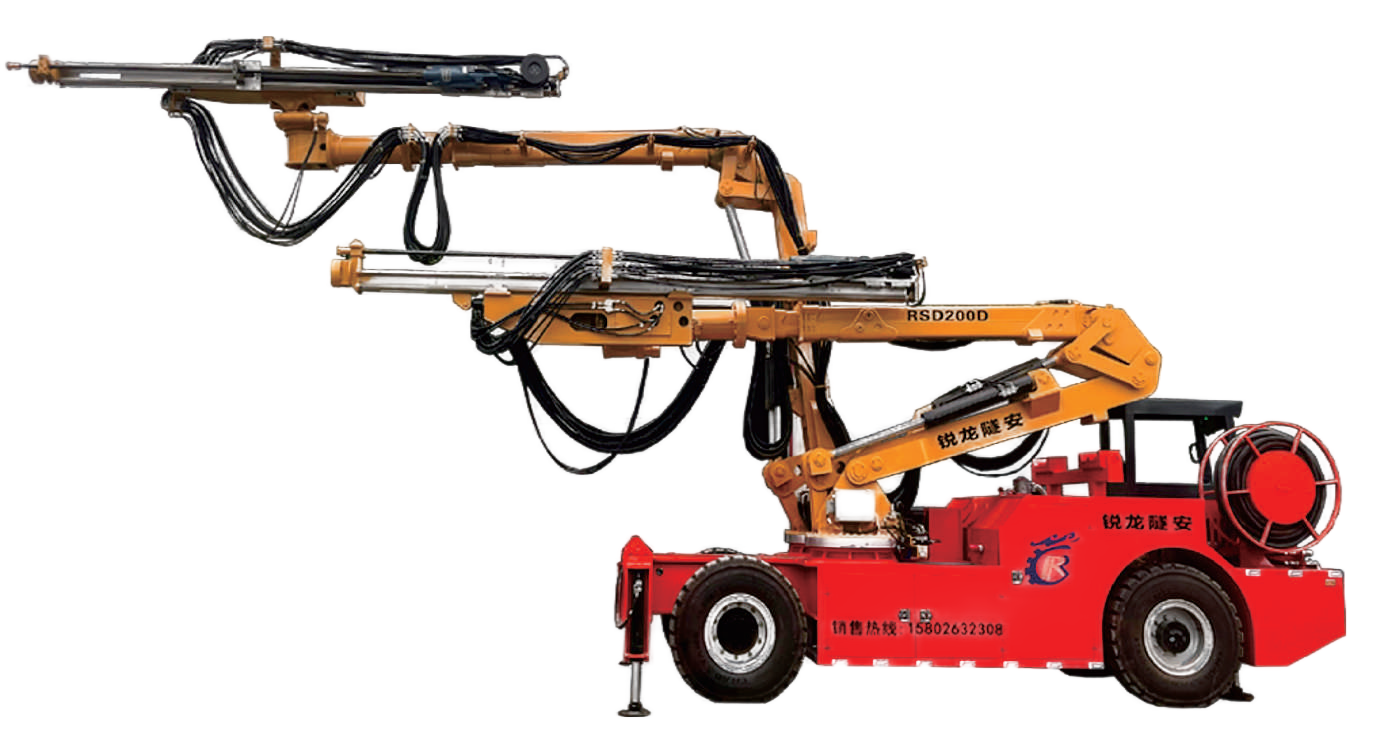
Dual-curved Arm Rock Drilling Trolley RSD200D
Negotiable
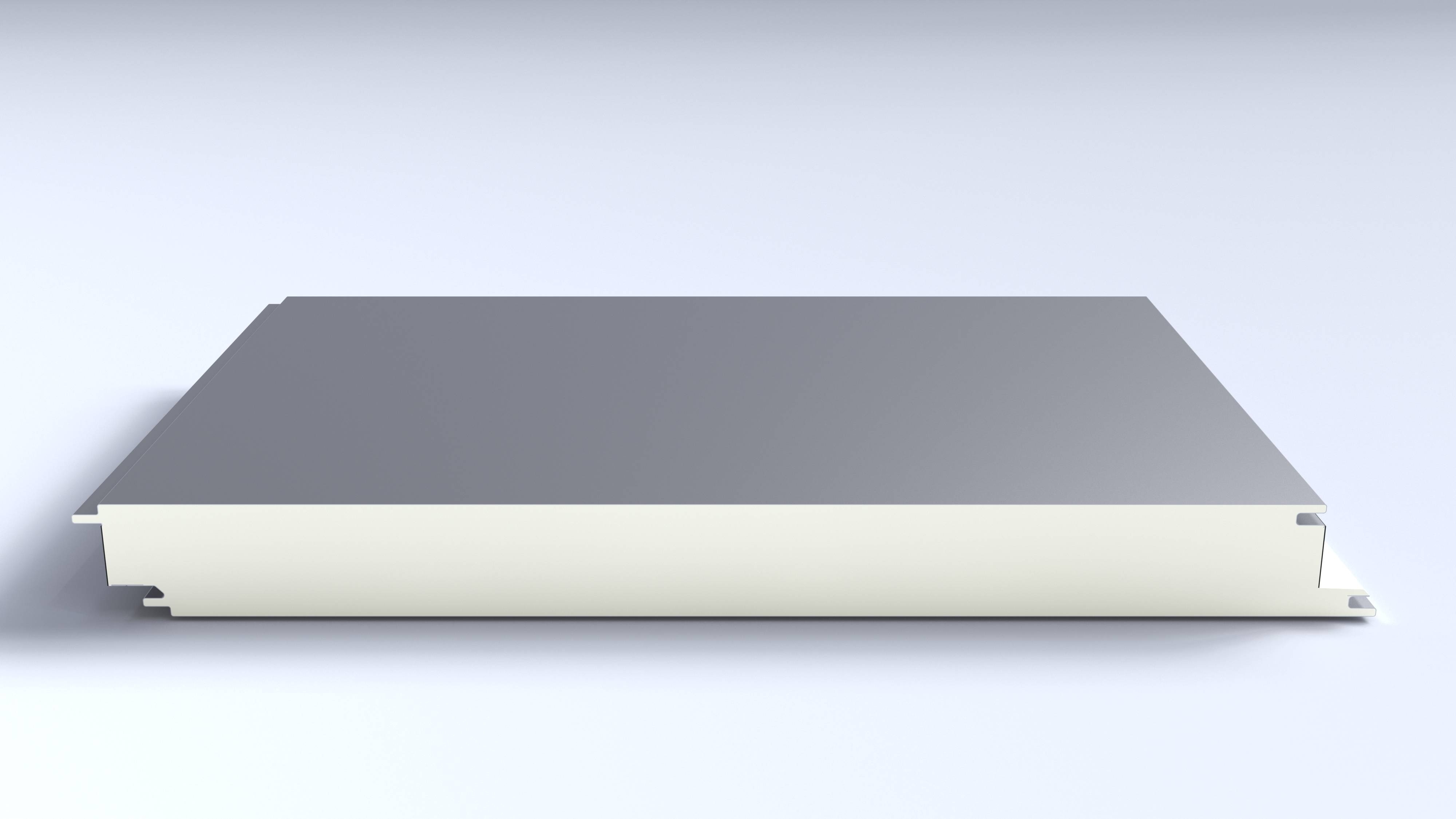
Pure Polyurethane Wall Panel BD-AEF-PIR-01
Negotiable
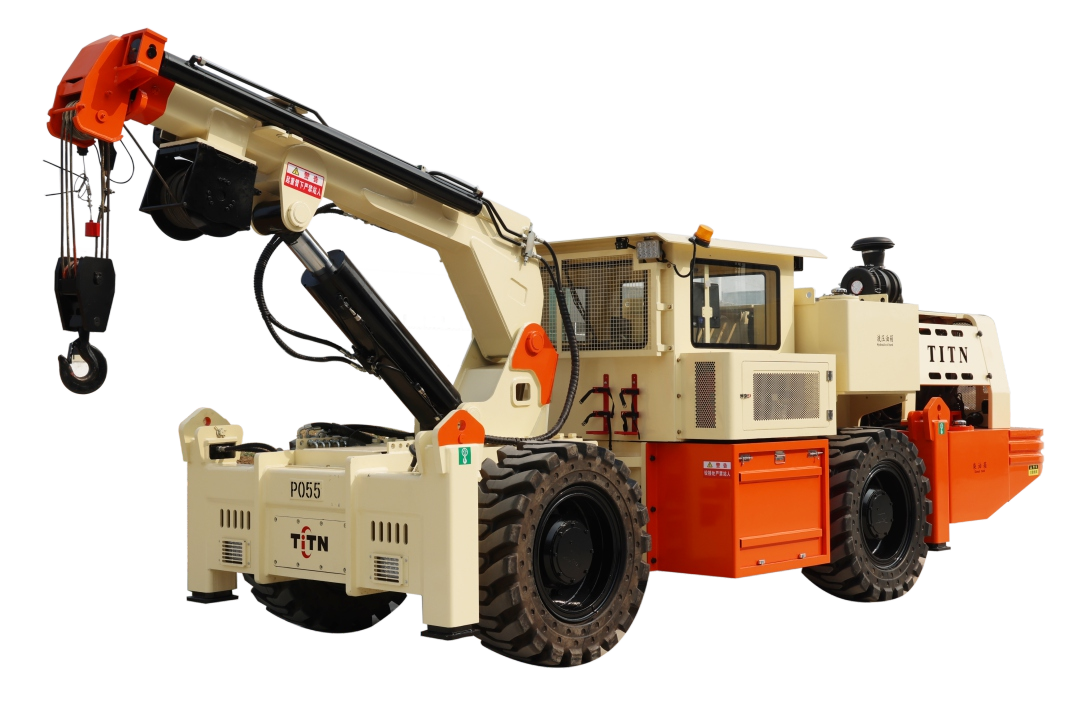
FQ-9000 Underground Crane
Negotiable
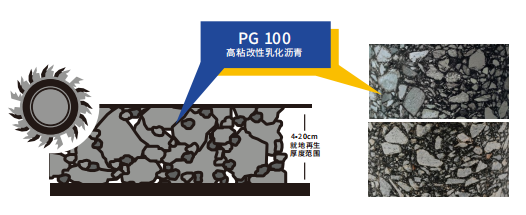
High-toughness in-Situ Cold Recycling Technology for Original Structural Layers
Negotiable /m²
China World Trade Center Project
Negotiable
Hotel Elevator
Negotiable
Aluminum Formwork System
Negotiable

YHTank8400N Solvent-Free Liquid Epoxy Coating
Negotiable
Steel Structure
Negotiable /ton
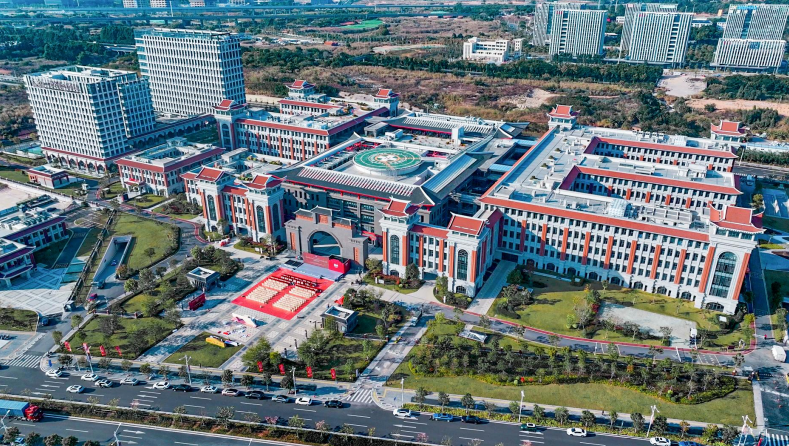
West China Xiamen Hospital of Sichuan University
Negotiable
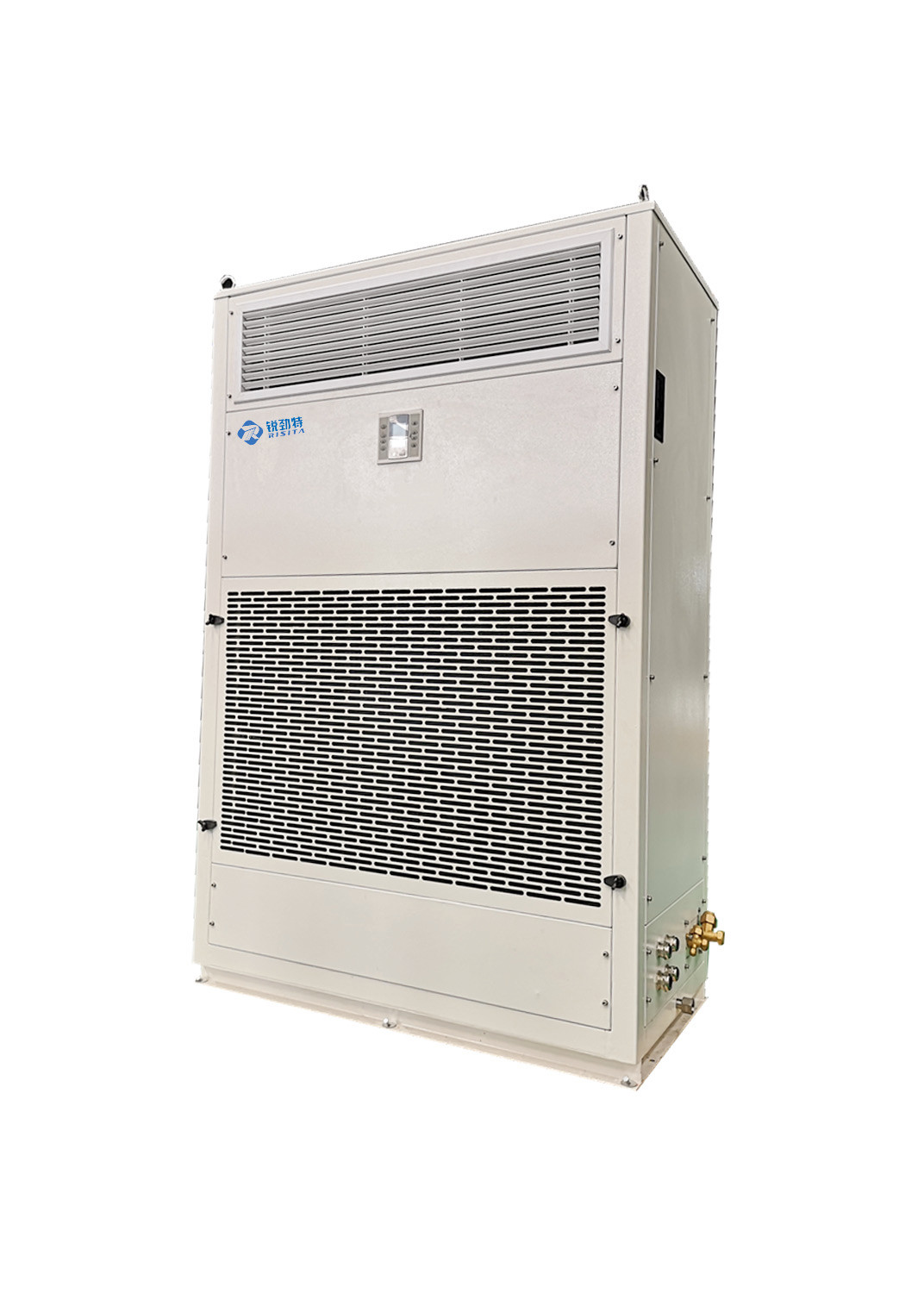
RISITA explosion-proof air conditioning
Negotiable
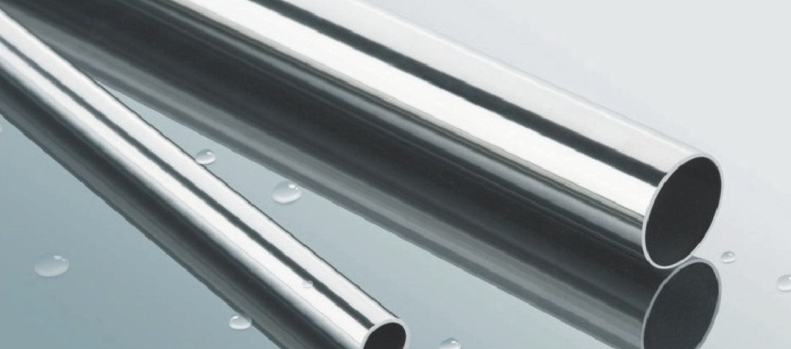
ERW Welded Pipe (Black Pipe and Hot-dip Galvanized Steel Pipe)
Negotiable