
| Notice Type | Tender Announcement |
|---|---|
| Notice Number | 130269924 |
| Description |
Tender Name: Design and Construction Project for the Želva Town Wastewater Treatment Plant Main CPV Codes: 45252100 (Wastewater treatment plant construction work), 71320000 (Engineering design services) Subject of Contract: To design and construct a new wastewater treatment plant for Želva Town. The project location is in Pagerliai Village, Ukmergės Road 10. Core Objectives Include: Design Objective: To prepare a set of construction drawing design documents for a wastewater treatment plant that is technologically advanced, economically reasonable, and environmentally sustainable. The design must fully consider the current local population (including seasonal fluctuations), long-term development plans, and topographic and geological conditions. Construction Objective: To construct a new wastewater treatment plant within the site of the existing facility, replacing the old facility, and to ensure continuous and stable operation of the wastewater treatment process. There must be no interruption of wastewater collection and treatment services in the service area due to construction. Process Objective: To employ a stable and reliable treatment process ensuring effluent quality complies with Lithuanian national regulations and relevant EU directives. Design Scope Conceptual Design: Based on basic information provided by the client (including existing site conditions, population data, wastewater flow projections, etc.), propose no less than two process alternatives for technical and economic comparison and recommend the optimal solution. Preliminary Design: After finalizing the process scheme, complete process flow diagrams, general layout plans, structural forms of main buildings/structures, equipment selection, electrical and automation control schemes, and cost estimation. Construction Drawing Design: Complete detailed construction drawings for all disciplines (process, architecture, structure, electrical, automation, HVAC, plumbing, roads, etc.) to meet tender and on-site construction requirements. Specialized Design: If involving deep excavations, high-formwork support, special equipment installation, etc., specialized construction plans must be prepared. Design Input Information The client will provide the following basic information for design reference: Site topographic map (1:500 or 1:1000) Geotechnical investigation report (if available; otherwise, the contractor may need to supplement the investigation) Existing sewer network distribution and connection point locations Power connection conditions Local meteorological and hydrological data Main Standards to be Followed in Design Lithuanian National Building Technical Regulations: Including mandatory requirements for architectural design, structural design, fire safety design, etc. Harmonized European Standards: Such as the Eurocodes series for structural design. Water Treatment Industry Standards: Concerning process design parameters, equipment selection, material selection, etc. Environmental Discharge Standards: Must satisfy the Lithuanian Ministry of Environment's regulations on wastewater treatment plant effluent quality. Wastewater Treatment Plant Process Design Requirements Design Flow and Quality Design Capacity: To be determined comprehensively based on the population equivalent of Želva Town and surrounding areas, existing wastewater flow measurement data (if available), and long-term development plans. Typically, the design of small-town wastewater treatment plants must consider daily and hourly variation coefficients. Influent Quality: Reasonable prediction of typical domestic wastewater quality is required. Main indicators include Chemical Oxygen Demand (COD), Biochemical Oxygen Demand (BOD), Suspended Solids (SS), Total Nitrogen (TN), Ammonia Nitrogen (NH₃-N), Total Phosphorus (TP), etc. Effluent Quality: Must comply with Lithuanian national regulations and the EU Urban Wastewater Treatment Directive (91/271/EEC) discharge requirements for sensitive water bodies. Typical indicators may include: BOD₅ ≤ 10-15 mg/L COD ≤ 75-125 mg/L SS ≤ 15-25 mg/L TN ≤ 10-15 mg/L (if nitrogen removal is required) TP ≤ 1-2 mg/L (if phosphorus removal is required) Recommended Process Routes Pretreatment Units: Mechanical Screens: Install coarse and fine screens to intercept larger suspended and floating solids. Aerated Grit Chamber: Remove sand particles from wastewater to protect downstream equipment from abrasion. Equalization Tank: Balance water quality and quantity, reducing the impact of influent fluctuations on the biological system. Biological Treatment Units: Option A: SBR Process (Sequencing Batch Reactor): Suitable for small to medium scale, small footprint, high automation, flexible operation cycles for nitrogen and phosphorus removal. Option B: Oxidation Ditch Process: Stable operation, resistant to shock loads, simple management, but relatively larger footprint. Option C: MBR Process (Membrane Bioreactor): Excellent effluent quality, suitable for direct reuse, smallest footprint, but higher investment and operating costs, membrane modules require periodic replacement. Option D: Rotating Biological Contactor or Contact Oxidation Process: Suitable for very small communities, simple maintenance, low energy consumption. Advanced Treatment Units: Coagulation-Sedimentation: Further removal of SS and TP. Filtration: Sand filtration or fiber filtration to ensure SS compliance. Disinfection Unit: UV Disinfection: Physical disinfection, no chemical residues, safe and environmentally friendly. Chlorine Disinfection: Low cost, but requires consideration of residual chlorine control and dechlorination treatment. Sludge Treatment Units: Sludge Thickening: Gravity thickening or mechanical thickening to reduce sludge volume. Sludge Dewatering: Use centrifugal dewatering machines or belt filter presses to reduce sludge moisture content below 80% for off-site disposal. Sludge Storage: Provide sludge hoppers or storage area. Key Process Design Requirements Stability and Reliability: The process design must ensure stable compliance with standards under all operating conditions (including low winter temperatures, increased flow during rainy seasons). Automation Control: Employ a PLC automatic control system to achieve automatic monitoring of plant-wide process parameters, equipment interlocking control, and remote operation, reducing manual intervention and lowering operating costs. Energy Saving and Consumption Reduction: Prioritize the selection of high-efficiency and energy-saving electromechanical equipment (such as IE3/IE4 efficiency class motors, high-efficiency aeration equipment) and optimize operating modes. Environmental Friendliness: Enclose and treat odor sources (such as screen chambers, equalization tanks, sludge dewatering rooms) to prevent odor nuisance to residents. Civil Engineering Site Grading and Demolition: Assess existing facilities, demolish old structures with no value, clear the site, and perform necessary backfilling and leveling. Excavation Works: Excavate foundations for all buildings/structures. Based on the geotechnical report, if deep excavations are required, prepare specialized shoring plans to ensure construction safety and stability of the surrounding environment. Concrete Structures: All concrete structures such as tanks, buildings, and equipment foundations must use waterproof concrete (impermeability grade not less than P6-P8). Construction must strictly follow detailed requirements for construction joints, expansion joints, waterstops, etc., to ensure tanks are leak-proof. Buildings: Including blower rooms, electrical rooms, dewatering rooms, administration buildings, etc., must comply with building, structural, fire safety, lighting, ventilation, and other code requirements. Site General Layout: Including roads, fencing, gates, landscaping, water supply and drainage pipelines, cable trenches, etc. Equipment Procurement and Installation Equipment Selection: All process equipment, electrical equipment, instrumentation, and automation systems must be from reputable domestic or international brands, with reliable performance, and accompanied by quality certification documents such as product certificates and test reports. Equipment Installation: Installation must be carried out strictly according to the installation manuals and construction drawings provided by the equipment suppliers, ensuring installation accuracy such as levelness, verticality, and concentricity. Pipeline Installation: Process pipelines, air pipelines, chemical dosing pipelines, water supply and drainage pipelines within the plant must be installed, welded, protected against corrosion, and pressure tested according to specifications. Electrical Installation: Including high and low voltage switchgear, transformers, cable laying, grounding systems, lighting systems, etc., must comply with electrical installation codes. Commissioning and Trial Operation Individual Equipment Commissioning: After installation of all equipment, perform individual no-load and load trial runs to check if equipment operating status, current, vibration, noise, etc., are normal. Integrated Commissioning: Operate all plant equipment in an integrated manner to verify the smoothness of the process flow and the accuracy and reliability of the automation system. Biomass Cultivation and Acclimatization: Inoculate activated sludge into the biological system and gradually increase the influent load to cultivate and acclimate microorganisms until the designed treatment efficiency is achieved. Performance Testing: After the system operates stably, a third-party testing agency shall conduct continuous testing of the effluent quality to verify compliance with the design discharge standards. Personnel Training: Provide theoretical and on-site practical training for the client's operational management personnel to ensure they master daily operation, maintenance, and troubleshooting skills. Uninterrupted Operation Requirement The tender documents explicitly require "to ensure continuous and stable operation of the wastewater treatment process." This means that throughout the entire construction period, there must be no inability to collect and treat wastewater in the service area due to the new construction. The contractor must develop a detailed construction transition plan. Implement phased construction, first building part of the new facilities and switching over, then demolishing old facilities. Provide temporary wastewater collection or treatment measures. Reasonably schedule water cut-off and connection times to minimize the impact of service interruptions. Green Procurement Requirements This project is subject to the Lithuanian national green public procurement standards and falls within the scope of Directive 2009/33/EC (Clean Vehicles Directive). Construction machinery and transport vehicles must meet certain emission standards (e.g., Euro V/Euro VI). Building materials (e.g., concrete, steel) should preferably be low-carbon and environmentally friendly products. The design should consider green measures such as energy-saving equipment, reclaimed water reuse, and rainwater harvesting. EU Funded Project Requirements Project Identification: Display the EU flag and project funding information in prominent locations such as the construction site and completion signboard. Progress Reporting: Regular progress reports and final outcome reports must be submitted to the funding body. Document Management: All design documents, construction records, acceptance documents, and financial vouchers must be fully archived for potential EU audit. Site Constraints Limited Construction Site Area: Reasonably plan the layout of temporary construction facilities (material storage, fabrication sheds, office area) to avoid impacting surrounding residents and businesses. Complex Underground Utilities: There may be existing underground utilities within the site. Detailed detection and marking must be conducted before construction. Proximity to Residential Areas: Strictly control construction noise, dust, and night-time construction hours to minimize disturbance to surrounding residents. Project Duration: Estimated start date is March 3, 2026, estimated end date is March 2, 2028 (contract period of 24 months). Execution Location: Vilnius County (NUTS: LT011), Ukmergė District, Želva Town, Lithuania. Funding Source: The project is fully or partially funded by EU funds. The funding source is the Environment and Climate Action Programme (LIFE) (2021/2027). Green Procurement Requirement: National green public procurement standards apply, aiming to reduce environmental impact. This procurement falls within the scope of Directive 2009/33/EC of the European Parliament and of the Council (Clean Vehicles Directive). Bid Submission Rules: Only bid documents submitted electronically via https://viesiejipirkimai.lt/epps/cft/viewTenders.do?resourceId=6773272 are accepted. Only Lithuanian language bid documents are accepted. Electronic catalogues are not allowed. Multiple bids from the same bidder are not allowed. Electronic auction will not be conducted. Bid Opening Information: Bid opening date is March 24, 2026, 09:30 (UTC+02:00) Bid Opening Location: https://viesiejipirkimai.lt/epps/cft/prepareViewCftWS.do?resourceId=6773272 |
| Documents |  Attachment.pdf (135.6 K) Attachment.pdf (135.6 K) |
Expired Tender for Design and Construction of Wastewater Treatment Plant, Ukmelgės Vandenys, Lithuania
| Organization | UAB | Country | Lithuania |
|---|---|---|---|
| Contact | R. Zvega | Tel. | View more |
| View more | Address | Gėlių g. 18 Ukmergė ,Lithuania | |
| Release Date | 2026-03-06 | Validity | 2026-03-24 |
Details
The tender information on this website is provided for reference only. If you intend to bid, please verify the authenticity and accuracy of the information with the tendering party. Our company reserves the right to adjust website content at any time and assumes no direct or indirect liability for it.Email: news@wedoany.com
Related Tenders
Related Products
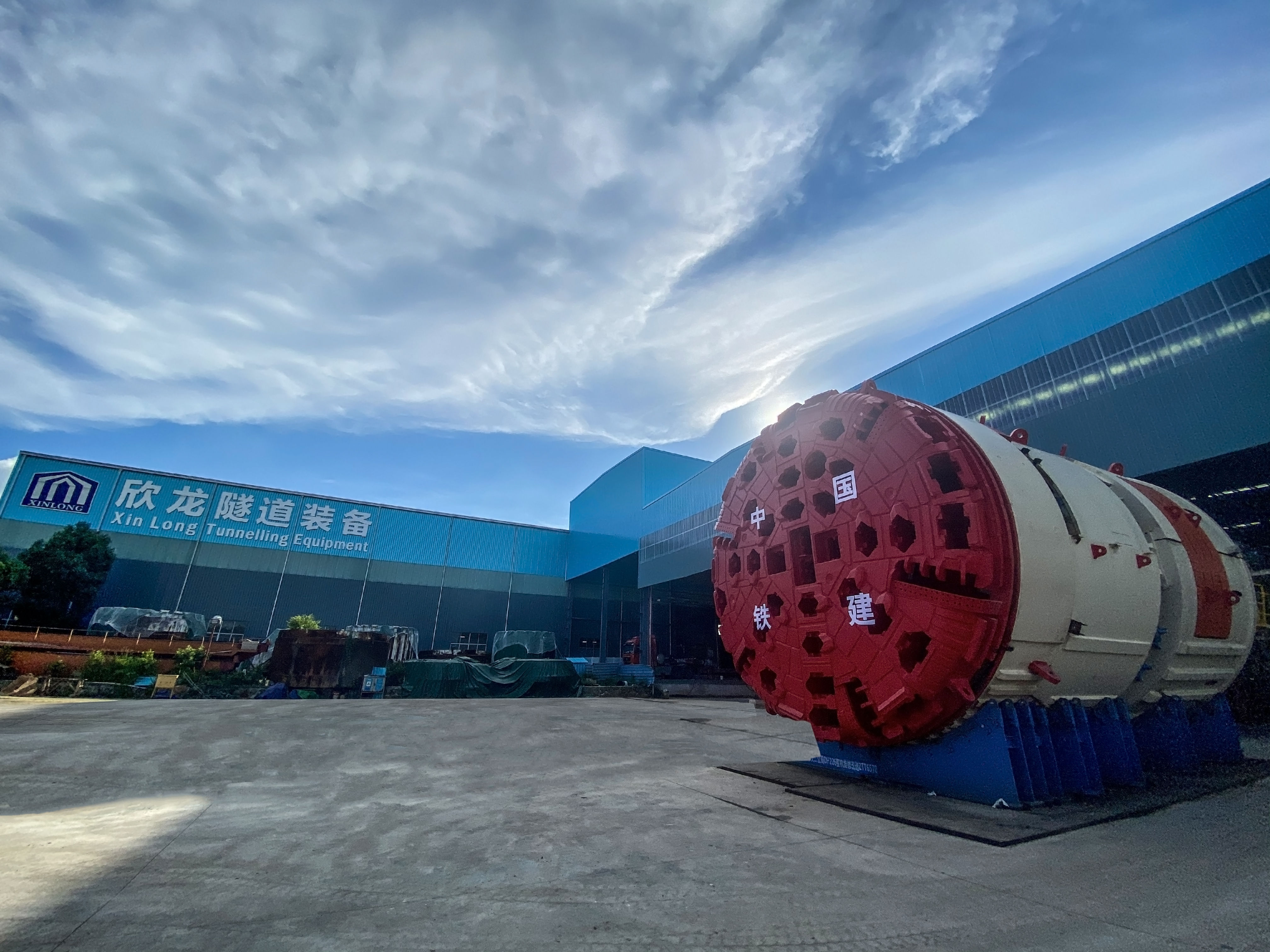
Shield Machine Remanufacturing DH226
Negotiable
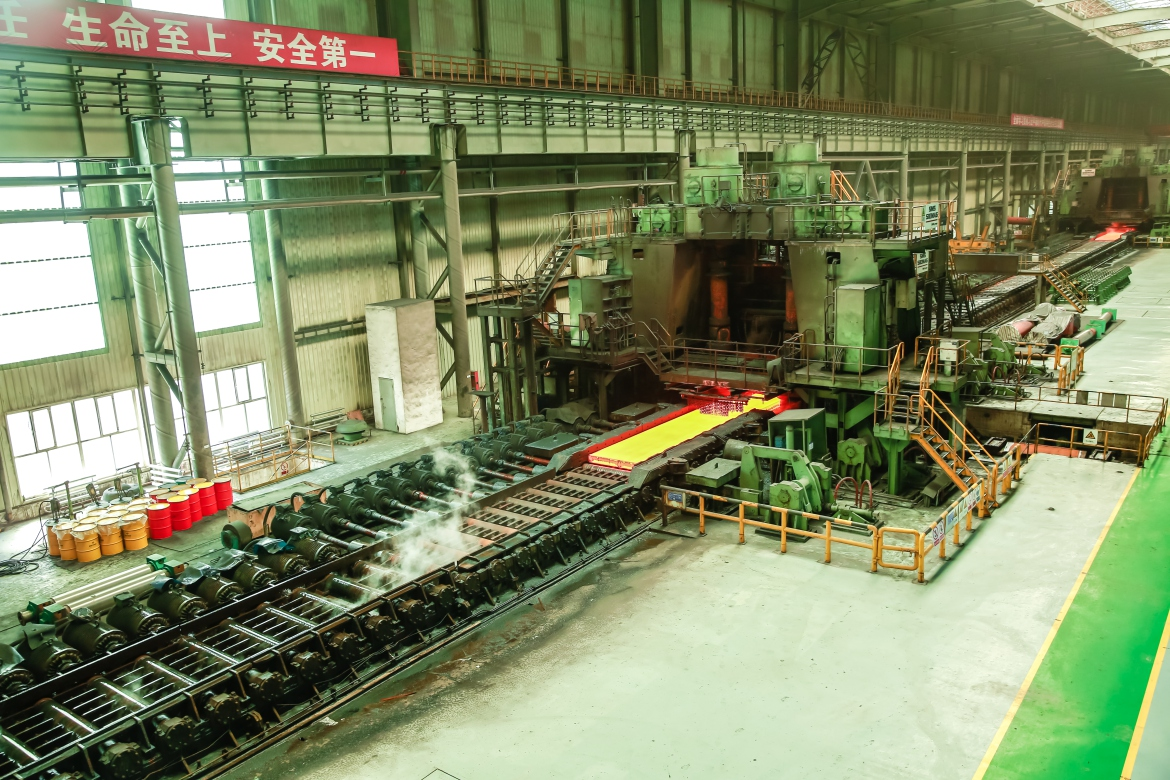
Hot-rolled Products
Negotiable
Section Steel
Negotiable
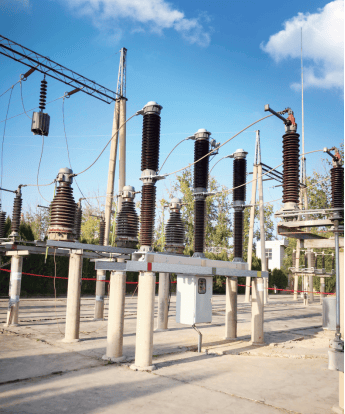
145kV Porcelain Column Type Sulfur Hexafluoride Circuit Breaker
Negotiable
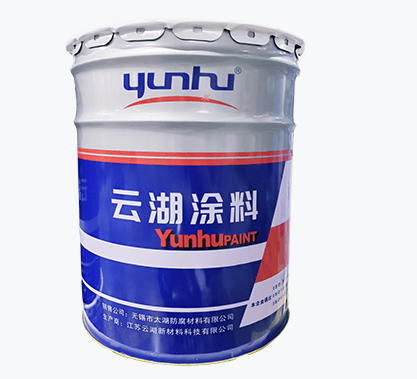
YHTank8400N Solvent-Free Liquid Epoxy Coating
Negotiable
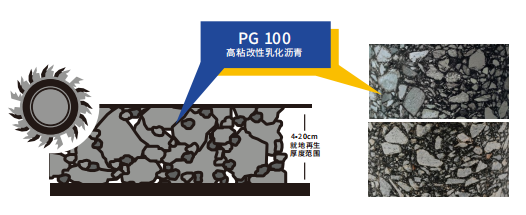
High-toughness in-Situ Cold Recycling Technology for Original Structural Layers
Negotiable /m²
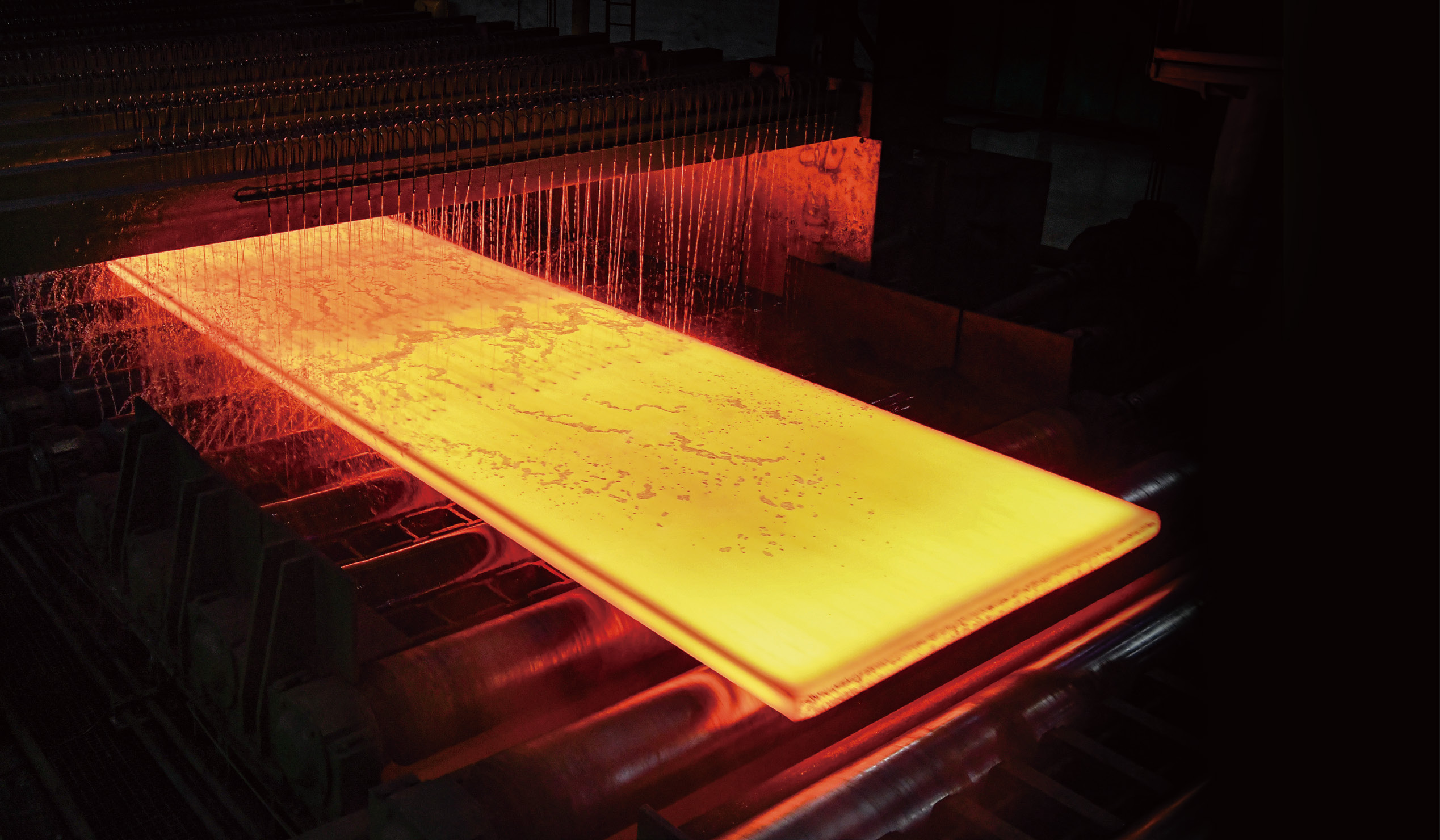
Wide and Heavy Plate
Negotiable
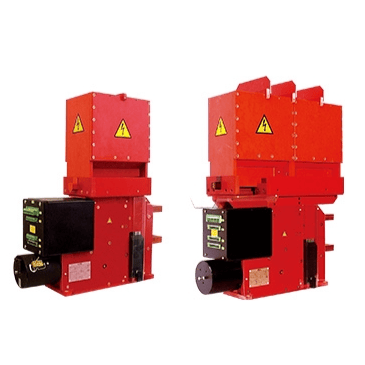
Gerapid DC Circuit Breaker
Negotiable
Ultra-Pure Ferrite Stainless Steel Products
Negotiable
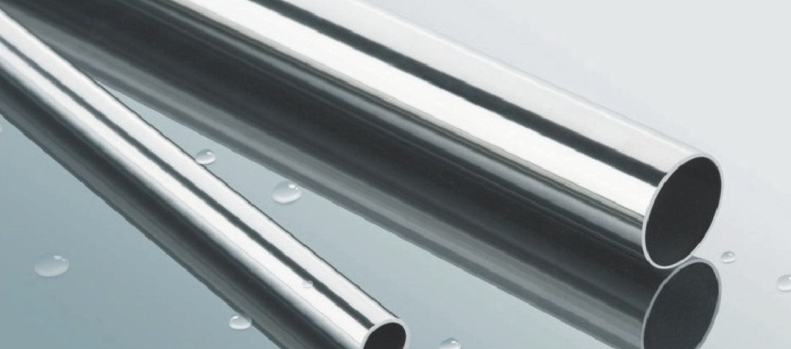
ERW Welded Pipe (Black Pipe and Hot-dip Galvanized Steel Pipe)
Negotiable
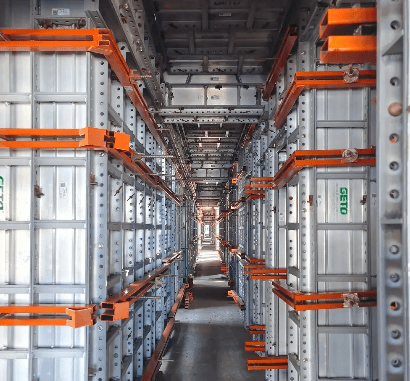
Aluminum Formwork System
Negotiable

Industrial and Commercial Point-Type Gas Detector
Negotiable