
| Notice Type | Tender Announcement |
|---|---|
| Notice Number | 129841226 |
| Description |
Project Name: Reconstruction Project of the Wastewater Treatment Plant in Dangu City Project Scope and Content: Demolition Works: Conduct detailed surveying, mapping, and assessment of all treatment facilities within the existing wastewater treatment plant, including but not limited to pretreatment units, biological treatment units, advanced treatment units, sludge treatment units, and related auxiliary facilities. Identify the pipeline systems to be demolished, including sewage collection pipes, discharge pipes, air pipes, sludge return pipes, etc., and annotate the pipe material, diameter, and layout. Determine the sequence and methods for demolishing key equipment such as pump stations and blower rooms, ensuring that the demolition process does not affect the surrounding environment and facility safety. Demolition Methods and Safety Measures: Adopt a combination of mechanical demolition and manual demolition. For large structures such as treatment tanks and pump stations, use mechanical equipment like excavators and crushers for initial demolition, followed by manual fine cleaning. Set up safety cordons during demolition, with professional safety personnel on-site for supervision to ensure the safety of construction workers and nearby residents. Classify and handle the waste generated from demolition. Recycle reusable materials and entrust specialized agencies for the harmless treatment of hazardous waste. Site Cleanup After Demolition: After demolition is complete, thoroughly clean the site, removing all residues and debris to ensure the site is level and clean. Conduct soil testing on the site. If contamination is present, take appropriate measures for soil remediation to ensure compliance with the requirements for the new construction project. New Construction Works: Pretreatment Unit: Construction of Screen House: Design and construct coarse and fine screens. The coarse screen is used to remove large particles such as branches and plastic bags, while the fine screen further removes smaller particles like sand and paper scraps. The screen spacing should be determined based on the influent water quality and flow rate to ensure screening efficiency and operational stability. Construction of Equalization Tank: Construct an equalization tank with sufficient capacity to balance water quality and quantity, reducing shock loads on subsequent treatment units. Install mixing devices inside the equalization tank to prevent sludge settling, and equip it with water level monitoring and control systems for automated operation. Biological Treatment Unit: Application of A²/O Process: If the A²/O process is adopted, construct anaerobic tanks, anoxic tanks, and aerobic tanks. Through the synergistic action of different microbial populations, efficiently remove pollutants such as organic matter, nitrogen, and phosphorus. Establish reasonable recycle ratios and sludge return systems between the tanks to ensure stable treatment performance. Application of MBR Membrane Bioreactor: If the MBR process is adopted, construct membrane tanks and bioreactor tanks. Achieve sludge-water separation through the efficient separation function of membranes while maintaining a high concentration of activated sludge in the bioreactor tank, improving treatment efficiency and effluent quality. Membrane modules require regular cleaning and replacement to ensure long-term stable operation. Advanced Treatment Unit: Construction of Sand Filter: If a sand filter is to be installed, select appropriate filter media particle size and layer thickness. Further remove suspended solids and colloidal substances from the water through filtration to improve effluent clarity. Construction of Activated Carbon Adsorption Tank: If an activated carbon adsorption tank is to be installed, select high-quality activated carbon as the adsorbent. Remove harmful substances such as organic matter and residual chlorine from the water through adsorption to improve effluent taste and odor. Application of Reverse Osmosis System: If a reverse osmosis system is to be installed, select high-performance reverse osmosis membranes. Under high pressure, water molecules pass through the membrane while solutes are retained, achieving deep purification of water. The reverse osmosis system must be equipped with pretreatment and post-treatment systems to ensure long-term stable operation and compliance of effluent quality. Sludge Treatment Unit: Construction of Sludge Thickening Tank: Construct a sludge thickening tank to reduce sludge volume and increase sludge concentration through gravity settling, creating conditions for subsequent dewatering treatment. Construction of Dewatering Equipment Room: Install equipment such as belt filter presses or centrifugal dewatering machines in the dewatering equipment room to dewater the thickened sludge, achieving sludge reduction. The moisture content of the dewatered sludge must meet relevant standard requirements to facilitate subsequent disposal and utilization. Sludge Resource Utilization: Explore avenues for sludge resource utilization, such as using dewatered sludge for producing building materials, fertilizers, or incineration for power generation, achieving harmless and resource-oriented sludge treatment. Auxiliary Facilities: Construction of Power Distribution Room: Construct a power distribution room equipped with electrical equipment such as transformers and switchgear to provide stable and reliable power supply for the wastewater treatment plant. Install automatic control systems and safety protection devices in the power distribution room to ensure electrical safety. Construction of Control Room: Construct a control room and install automated control systems and remote monitoring systems to achieve real-time monitoring and automated control of each treatment unit in the wastewater treatment plant. Install equipment such as operator consoles and display screens in the control room for operators to easily grasp the plant's operational status at any time. Construction of Laboratory: Construct a laboratory equipped with necessary testing instruments and reagents to regularly test and analyze influent and effluent water quality, providing scientific basis for the plant's operation and management. Construction of Pump Room and Blower Room: Construct pump rooms and blower rooms according to the requirements of the treatment process, installing various pumps and blowers to provide necessary power and air supply for the wastewater treatment process. Implement vibration and noise reduction measures in pump rooms and blower rooms to minimize impact on the surrounding environment. Piping and Electrical Works: Piping Installation: Install new sewage collection and discharge pipelines according to the plant layout and process flow, ensuring reasonable pipeline routing, appropriate slopes, and tight connections. Pipe material should be selected based on the conveyed medium and usage environment to ensure corrosion resistance, wear resistance, and long service life. Installation of Electrical Control System: Install the electrical control system, including cable laying, control cabinet installation, motor wiring, etc., to achieve electrical control and automated operation of each treatment unit. The electrical control system must have functions such as overload protection and short-circuit protection to ensure electrical safety. Installation of Automation Instruments and Remote Monitoring System: Install various automation instruments such as flow meters, level meters, pH meters, etc., to monitor key parameters of the plant in real-time. Simultaneously install a remote monitoring system to achieve remote monitoring and fault diagnosis of the plant, improving operational management efficiency. Landscaping and Greening: Landscape Design: Conduct landscape design for the area surrounding the wastewater treatment plant, combining the plant's function with the characteristics of the surrounding environment to create a pleasant landscape. The landscape design should focus on integrating ecology, aesthetics, and practicality to enhance the overall image of the plant. Greening Planting: Plant suitable trees, shrubs, and ground cover plants within the landscaped area to form a multi-layered greening system. Greening planting should consider factors such as the ecological habits, ornamental value, and maintenance costs of the plants to ensure lasting and stable greening effects. Technical Requirements and Standards: Design Standards: Comply with relevant French and EU environmental regulations and standards to ensure the design is reasonable, advanced, and reliable. Equipment Selection: Select efficient, energy-saving, and environmentally friendly wastewater treatment equipment and materials to ensure long-term stable operation. Construction Quality: Strictly adhere to construction specifications and acceptance standards during construction to ensure the project quality reaches an excellent level. Tender Type and Conditions: Tender Type: Adaptive Open Tender Participation Conditions: Professional Activity Capacity: Bidders must possess relevant qualifications and experience in the design and construction of wastewater treatment projects. Economic and Financial Capacity: Bidders must have good financial status and funding capabilities to ensure smooth project implementation. Technical and Professional Capacity: Bidders must possess a professional technical team and advanced construction technology to cope with complex and variable construction environments. Bid Submission and Evaluation Process: Bid Submission Deadline: April 2, 2026, 12:00 Electronic Catalog Bids Allowed: Prohibited |
| Files |  Attachment.pdf (91.13 K) Attachment.pdf (91.13 K) |
Expired Tender for the Reconstruction Project of the Wastewater Treatment Plant in Dangu, France
| Organization | Ville de Dangu | Country | France |
|---|---|---|---|
| Contact | Tel. | View more | |
| View more | Address | 27 - DANGU dangu | |
| Release Date | 2026-03-07 | Validity | 2026-04-02 |
Details
The tender information on this website is provided for reference only. If you intend to bid, please verify the authenticity and accuracy of the information with the tendering party. Our company reserves the right to adjust website content at any time and assumes no direct or indirect liability for it.Email: news@wedoany.com
Related Tenders
Related Products
Section Steel
Negotiable
Steel Structures
Negotiable
Pure Polyurethane Wall Panel BD-AEF-PIR-01
Negotiable

Bus Facial Payment All-in-One Machine
Negotiable
Gerapid DC Circuit Breaker
Negotiable
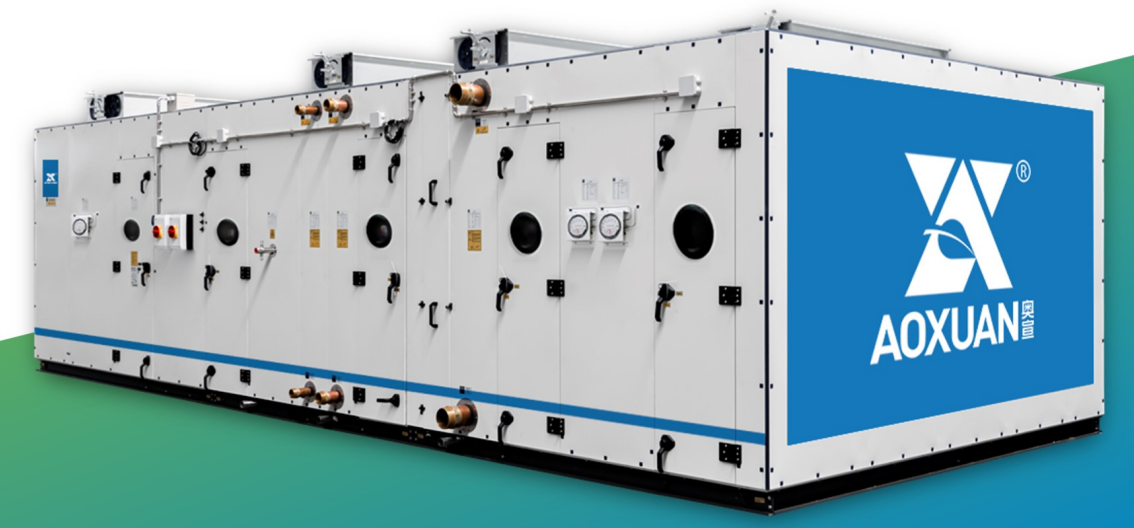
Aoxuan Intelligent Precision Air Conditioning Unit
Negotiable
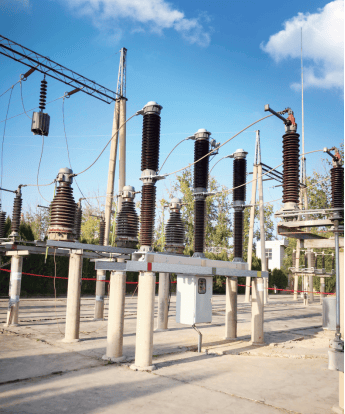
145kV Porcelain Column Type Sulfur Hexafluoride Circuit Breaker
Negotiable
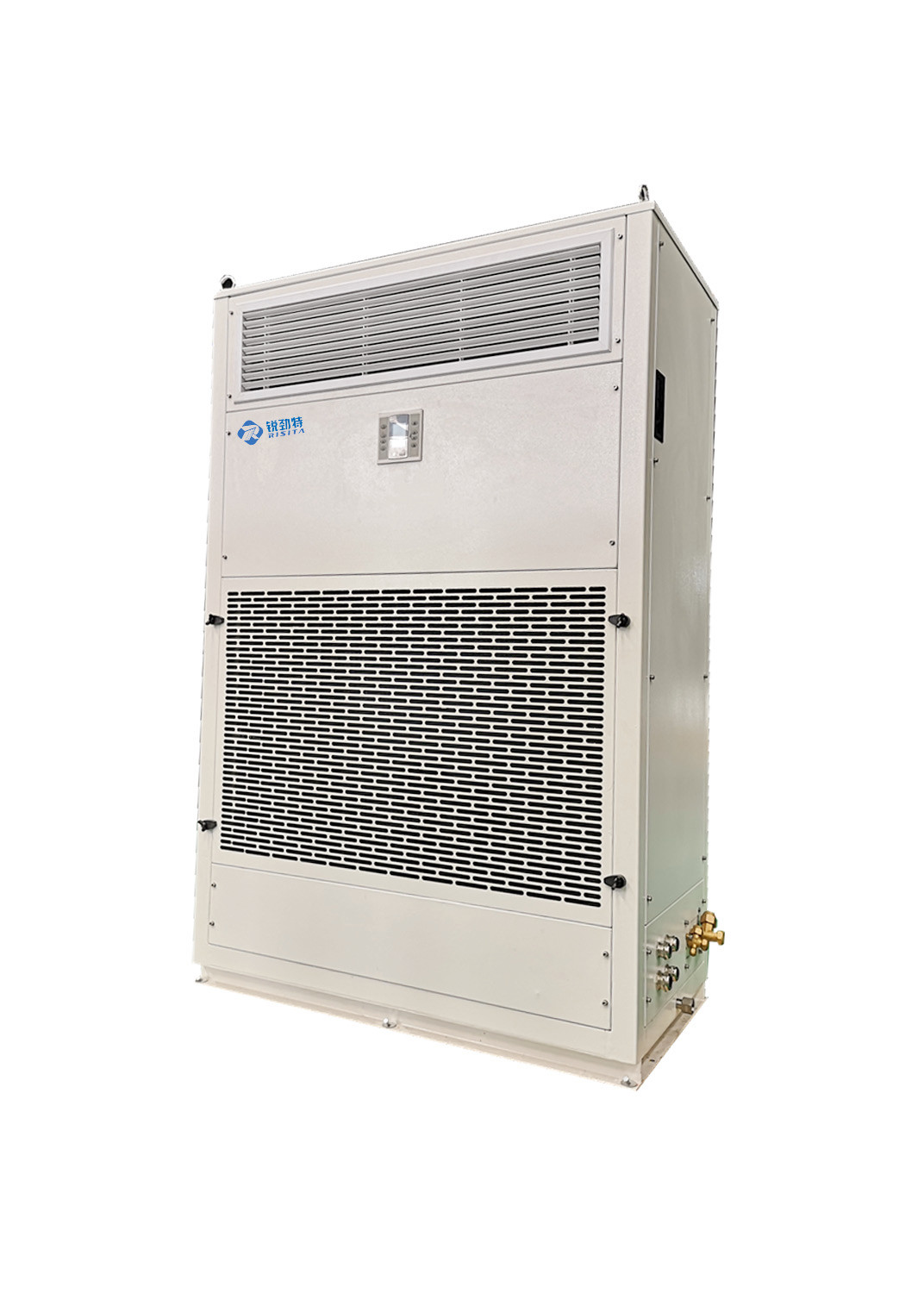
RISITA explosion-proof air conditioning
Negotiable

Acoustic Mineral Fiber Ceiling Tile 595x595x12mm
Negotiable /square meter
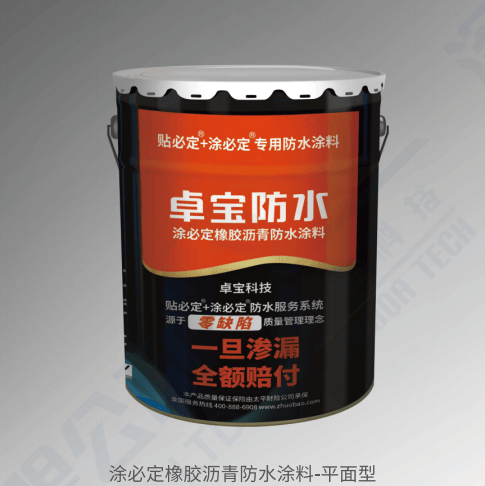
"Tiebiding + Tubiding" Waterproofing Service System
Negotiable
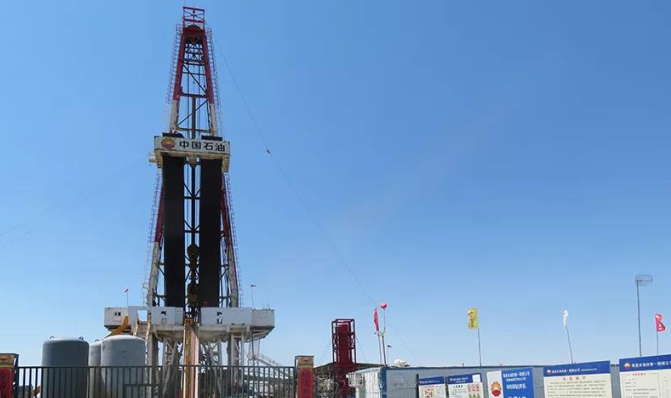
API Series Casing
Negotiable
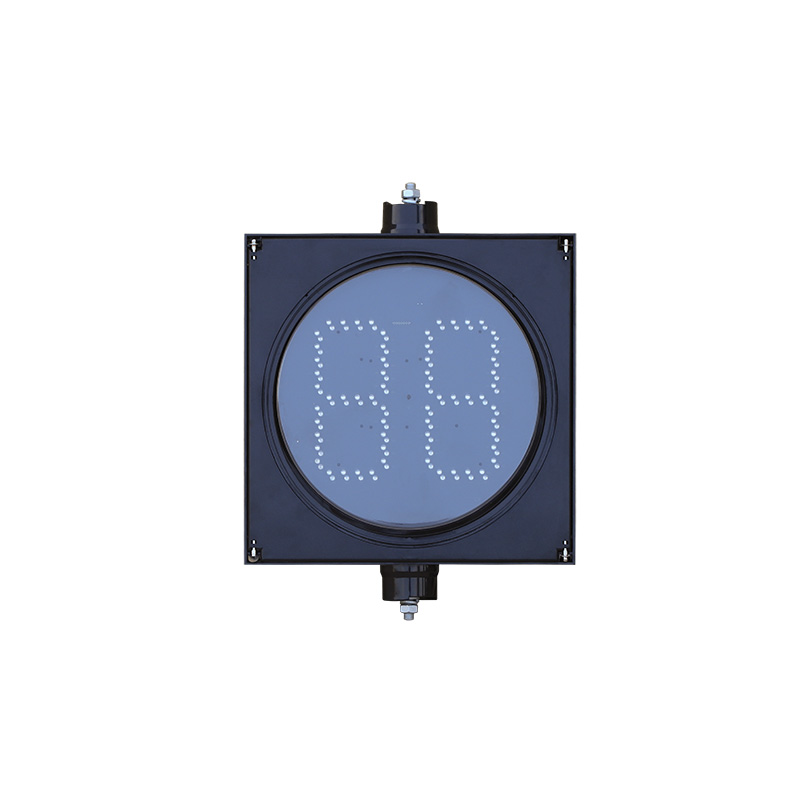
300mm Segment Type Countdown Traffic Light (Core Type)
Negotiable