
A research team from the University of Alberta in Canada has successfully designed a theoretical model for a cancer vaccine targeting melanoma using artificial intelligence technology. This study, published in the journal Computers in Biology and Medicine, provides new ideas for personalized tumor immunotherapy.
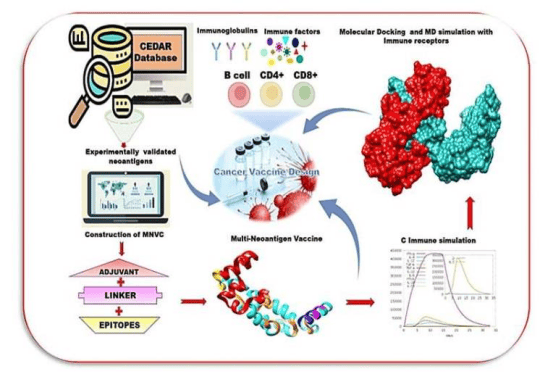
The research team, led by Professor Khaled Barakat from the Faculty of Pharmacy, used AI algorithms to screen out 8 targets with the highest therapeutic value from 750 potential neoantigens. PhD student Saba Ismail stated: “This multi-antigen combination design can cover more melanoma subtypes; even if one antigen fails, other antigens can still activate the immune system.”
The cancer vaccine model incorporates three key elements: the screened neoantigens, adjuvants to enhance the immune response, and linkers optimized for structure. Computational simulations show that this design has high affinity for immune receptors and has passed predictions for allergenicity and toxicity. Professor Barakat pointed out: “This marks an important step toward establishing a personalized medicine workflow.”
The researchers emphasized that the tumor immunotherapy approach is currently only at the computer modeling stage and still requires laboratory validation and clinical trials. Ismail added: “Our goal is to accelerate vaccine development and bring new hope to cancer patients.”