
A research team from the University of Zurich in Switzerland has developed an artificial intelligence system called Pythia that significantly enhances the precision and predictability of gene editing. The study, published in Nature Biotechnology, opens new pathways for precision medicine and gene therapy.
The research team, led by Professor Soeren Lienkamp at the University of Zurich, combined machine learning algorithms with CRISPR/Cas9 technology to create an AI tool capable of predicting DNA repair patterns. Lead researcher Thomas Naert stated: “The Pythia system can learn and predict the patterns by which cells repair DNA, giving us an advantage in precise editing.”
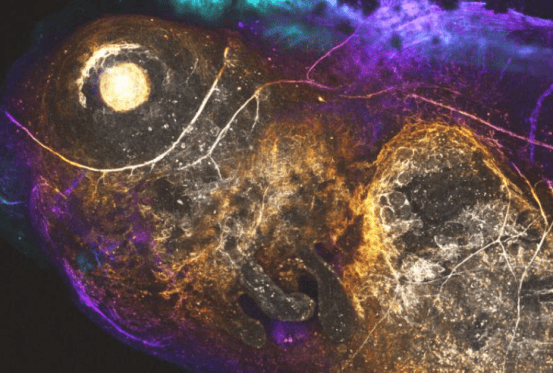
Experiments demonstrated that the system achieved high-precision gene modifications in human cells, Xenopus (African clawed frog), and mouse brain cells. Professor Lienkamp noted: “Just like weather forecasting, we can now more accurately predict the outcomes of gene editing—this is critically important for clinical applications.”
The technology not only enables single-base modifications but can also be used for gene integration and protein tagging. The researchers indicated that this breakthrough will drive the treatment of challenging conditions such as neurological disorders.