
A research team at Boston Children's Hospital in the United States has published a landmark study in Nature Biomedical Engineering, successfully developing engineered TERC (eTERC) technology that significantly elongates telomeres in human stem cells. This pioneering research not only opens new avenues for treating telomere diseases but also provides an important tool for basic research on cellular aging.
The study was led by Dr. Suneet Agarwal, co-director of the Stem Cell Transplantation Program at Boston Children's Hospital. The team used an innovative enzymatic approach to stabilize the telomerase RNA component (TERC), enabling it to exert long-lasting effects in human cells. Dr. Agarwal explained: “The most striking feature of our method is that a single treatment with eTERC can sustain telomere elongation for about 69 days, equivalent to several years of human lifespan. More importantly, this RNA therapy is highly specific, targeting telomeres without interfering with other normal cellular processes.”
Experimental data showed that eTERC technology can safely and effectively elongate telomeres in various human stem cells. The researchers particularly highlighted its enormous potential in treating telomere diseases such as dyskeratosis congenita. The team is actively exploring various delivery methods, including nanotechnology, to advance this technology toward clinical application.
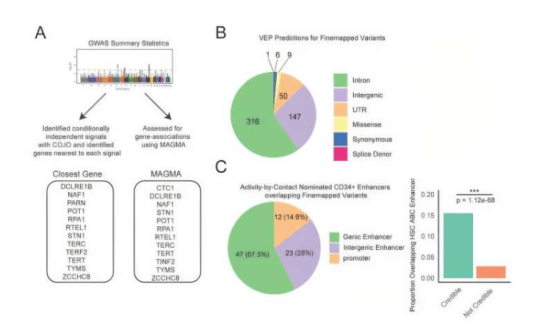
In a complementary study published concurrently in the Journal of Clinical Investigation, a team led by Dr. Vijay Sankaran revealed the complex genetic mechanisms underlying cellular aging. They discovered synergistic effects between common genetic variants and rare mutations that jointly influence the severity and progression of telomere diseases. These findings not only deepen our understanding of telomere biology but also lay a scientific foundation for developing precise diagnostics and personalized treatment strategies in the future.
Dr. Agarwal emphasized: “At Boston Children's Hospital, we will continue to develop and test various potential treatment strategies until we find truly effective therapies for telomere diseases. This eTERC technology represents a significant step toward that goal.”
Dr. Sankaran added: “Our genetic research is finally beginning to provide some answers for families carrying rare genetic variants. Although clinical application requires further study, we are increasingly close to understanding the nature of these complex diseases.”
The two studies complement each other, advancing our understanding of telomere maintenance mechanisms from different perspectives and providing dual assurance for developing new approaches to delay aging and treat related diseases. The researchers expect that, with continued technological refinement, these findings will soon translate into practical clinical applications, benefiting millions of patients worldwide affected by telomere dysfunction.