
Researchers from the University of New South Wales in Australia, in collaboration with St. Jude Children's Research Hospital in the United States, have developed a novel CRISPR technology based on epigenetic editing. Published in Nature Communications, this study provides a safer approach for treating genetic diseases such as sickle cell disease.
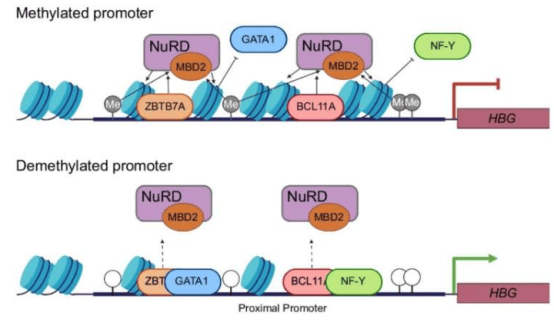
The research team, led by Professor Merlin Crossley from the University of New South Wales, confirmed that DNA methylation is a direct cause of gene silencing rather than a byproduct. Crossley stated: "We have clearly demonstrated that removing the methyl tag can reactivate genes, just like lifting an anchor." The technology delivers enzymes to remove methylation without cutting DNA, avoiding the potential risks associated with traditional gene editing.
The experiments focused on reactivating the fetal globin gene to compensate for the defective gene causing sickle cell disease. Co-author Professor Kate Quinlan noted: "This method regulates gene expression without altering the DNA sequence, carrying a lower risk of side effects." The research is currently at the cellular experiment stage, with the next step being animal model testing.
The researchers indicated that this breakthrough is not only significant for treating blood disorders but also marks the beginning of a new era in epigenetic editing. In the future, the technology may be applied to a broader range of genetic diseases and agricultural fields.