
MIT researchers have developed a machine learning framework that identifies sustainable natural and industrial materials as partial replacements for cement, providing a scalable pathway to significantly reduce global carbon emissions from construction. A study published recently in Communications Chemistry details the team's process for screening sustainable cement alternatives.
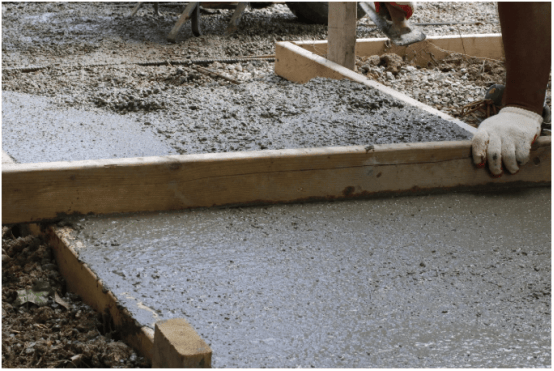
Cement production accounts for more than 6% of global greenhouse gas emissions, primarily due to the high-energy calcination of limestone and clinker production. One effective way to mitigate emissions is to replace clinker with alternative materials. Historically, industrial by-products such as blast furnace slag and fly ash have been used as supplementary cementitious materials (SCMs). However, over the past two decades, the availability of these traditional alternatives has declined by 37% due to increased steel recycling and the closure of coal-fired power plants, creating an urgent need for new materials that offer similar reactivity in cement systems. Machine learning offers hope in addressing this challenge.
Led by MIT researchers Elsa Olivetti and Soroush Mahjoubi, the team developed an integrated framework that combines natural language processing (NLP) with predictive modeling. Using NLP techniques, they mined over 5.7 million scientific papers and extracted the chemical compositions of more than 14,000 candidate materials from 88,000 publications. A large language model was then used to classify these materials into 19 categories. To evaluate potential, the researchers trained multi-head neural networks to predict three key indicators of reactivity in cement-based systems. Input parameters included chemical composition, specific gravity, and others. The models achieved a coefficient of determination (R²) greater than 0.85, enabling evaluation and mapping of reactivity across a broad range of materials.
The results revealed several previously underutilized materials with strong reactivity. Construction and demolition waste showed heat release rates comparable to traditional pozzolanic materials; municipal solid waste incineration ash and agricultural by-products exhibited significant pozzolanic characteristics; mining tailings emerged as a promising secondary supply chain material. These industrial by-products could potentially replace up to 68% of global cement production. However, not all regions have access to industrial waste streams, making natural alternatives critical. The researchers applied the predictive models to a global geochemical database containing over one million rock samples, identifying 25 rock types that exhibit cementitious reactivity when mechanically activated. These reactive rocks are predominantly located in geologically active regions, offering a viable alternative in areas lacking industrial by-products.
The team overcame challenges of incomplete and inconsistent data by developing specialized neural network architectures to intelligently impute missing values, addressing the noisy data environment typical of materials science research.
This study demonstrates the immense potential of machine learning in discovering low-carbon cement alternatives. If adopted on a large scale, these materials could reduce global carbon dioxide emissions by up to 3%—equivalent to taking 260 million cars off the road. Many of these materials require only mechanical grinding, and natural materials are widely distributed, offering a pathway to more equitable global access to sustainable building solutions. Looking ahead, the most promising candidates require experimental validation, and incorporating cement hydration kinetics into the models will be key to improving predictive accuracy and practical applicability.