
According to a world-first study conducted by Charles Darwin University (CDU), a deeper understanding of Indigenous seasonal calendars may be the key to improving solar power prediction. The study, titled "Convolutional Ensemble for Solar Power Forecasting Using Indigenous Seasonal Information," was published in the IEEE Computer Society Open Journal. The research combines Indigenous seasonal calendars with a novel deep learning model (artificial intelligence technology) to predict the future power output of solar panels.
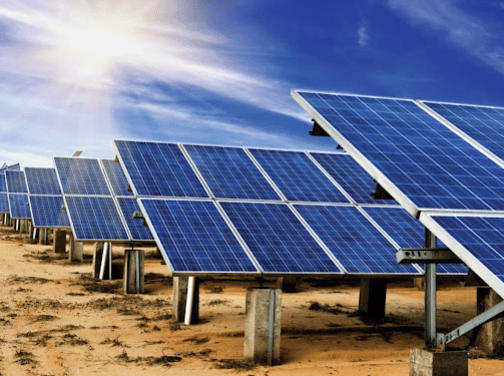
Solar energy is one of the world's leading renewable energy alternatives, but its power generation prediction reliability faces challenges due to factors such as weather, atmospheric conditions, and the absorption of electrical energy by the surface of solar panels.
Researchers at Charles Darwin University developed the prediction model using Tiwi, Gulumoerrgin (Larrakia), Kunwinjku and Ngurrungurrudjba Indigenous calendars, as well as the modern "Red Centre" calendar. The researchers tested the model using data from the Alice Springs Desert Knowledge Australia Solar Centre. The results showed that the model can predict solar power generation with a low error rate, and the error rate is less than half of that of currently popular industry prediction models.
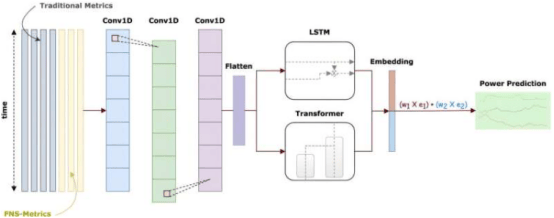
The ensemble model consists of three Conv1D layers, as well as an integration of LSTM model and Transformer model, using traditional indicators and FNS indicators as input for power prediction.
Co-author, Charles Darwin University PhD student and Bangarang man Luke Hamlyn said that the environmental knowledge contained in these calendars is an invaluable resource. He said: "Integrating Indigenous seasonal knowledge into solar power forecasting allows predictions to align with natural cycles observed and understood over thousands of years, significantly improving accuracy. Unlike traditional calendar systems, these seasonal insights are deeply rooted in local ecological cues, such as plant and animal behavior, which are closely related to changes in sunlight and weather patterns. Integrating this knowledge allows for customized predictions that reflect subtle changes in environmental conditions, enabling more accurate and culturally meaningful forecasts for specific regions in Australia."
Co-authors of the paper, Associate Professor in Information Technology Bharanidharan Shanmugam and Lecturer in Information Technology Dr. Sucheethan Selvarajah believe that the combination of advanced artificial intelligence and ancient Indigenous wisdom may revolutionize prediction technology. Associate Professor Shanmugam said: "Accurate solar forecasting faces challenges that hinder the development of universal prediction models." Dr. Selvarajah said: "The success of this method indicates that it can become a powerful tool for advancing solar power forecasting in rural areas. In future work, we will explore the application of this model in other regions and other renewable energy sources."