
A research team led by TU Dresden has developed a novel artificial intelligence model capable of simultaneously predicting multiple gene mutations directly from routine stained colorectal cancer tissue slides. This multicenter study analyzed nearly 2,000 digitized pathology slides from seven independent cohorts across Europe and the United States, providing a new method for colorectal cancer diagnosis.
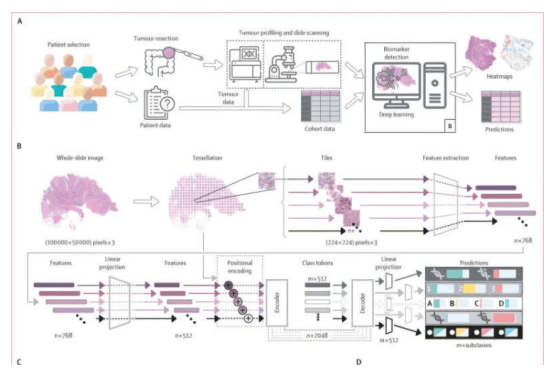
The "multi-target transformer model" developed by the research team breaks through the limitations of traditional single-gene testing and can simultaneously identify multiple biomarkers such as BRAF and RNF43 mutations as well as microsatellite instability (MSI). By analyzing the correlation between tissue morphological features and gene mutations, the model achieves a comprehensive assessment of the molecular characteristics of colorectal cancer. The application of artificial intelligence diagnostic technology in pathology demonstrates significant potential.
Marco Gustav, first author of the study and researcher at the Else Kröner Fresenius Center for Digital Health (EKFZ) at TU Dresden, stated: "Early deep learning models and analyses of potential tissue changes typically focused on only one mutation at a time. However, our new model can simultaneously identify many biomarkers, including some markers that have not yet been considered clinically relevant." The model has demonstrated reliability across multiple independent cohorts, with a higher frequency of co-occurring mutations observed particularly in microsatellite unstable tumors.
The research team found that different gene mutations jointly cause tissue morphological changes rather than acting independently. Dr. Nic Reitsam, pathologist at Augsburg University Hospital, provided professional pathology assessment support for the study. Artificial intelligence diagnostic technology provides a new perspective for molecular subtyping of colorectal cancer by identifying shared visual patterns.
Professor Jakob N. Kather, Professor of Clinical Artificial Intelligence at TU Dresden, pointed out: "Our study shows that artificial intelligence models can significantly accelerate diagnostic workflows. At the same time, these methods also provide new insights into the relationship between molecular and morphological changes in colorectal cancer." In the future, this technology can serve as a pre-screening tool to help clinicians select patients for molecular testing and guide personalized treatment.
The research results were published in The Lancet Digital Health. The research team plans to extend the method to other cancer types. The continued development of artificial intelligence diagnostic technologies will provide important support for precision oncology.