
A research team at Uppsala University has developed an artificial intelligence technology capable of identifying subtle changes indicative of early prostate cancer by analyzing tissue samples. The study, published in the journal Scientific Reports in 2023, involved 232 men who were initially assessed by pathologists as healthy.
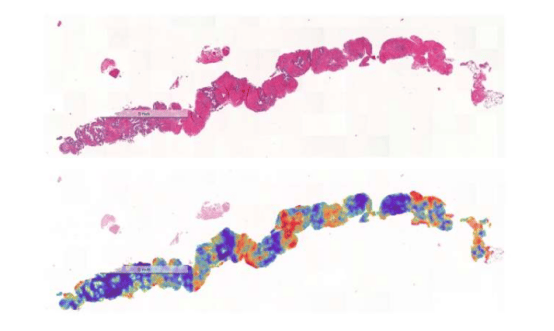
The study showed that although all participants' biopsy samples were initially judged negative, the AI system successfully detected precancerous signs in more than 80% of the men who were later diagnosed with cancer. The project, conducted in collaboration with Umeå University, followed the participants over a long period. Half of the men were diagnosed with aggressive prostate cancer within two and a half years, while the remaining half remained healthy after eight years.
The artificial intelligence technology was trained by analyzing abnormal patterns in biopsy images, with particular attention to subtle tissue changes present in samples that later developed into cancer. The researchers noted that the key patterns identified by the AI often appeared in the tissue surrounding the prostate, consistent with findings from previous related studies. Carolina Wählby, who led the development of the AI, stated: "Our study shows that AI analysis of routine biopsies can detect certain preclinical lesions before they are visible to the naked eye."
The team suggests that this AI tool could help optimize the frequency of prostate cancer follow-up for healthy men. Currently, all imaging data and analysis methods have been made openly available to the scientific community to support further research and development.