
Researchers at the École Polytechnique Fédérale de Lausanne (EPFL) have developed an open platform called BindCraft that is advancing the field of protein design. The platform uses neural networks to assist in the development of novel binding proteins that can precisely target therapeutic molecules, providing new tools for biomedical research.
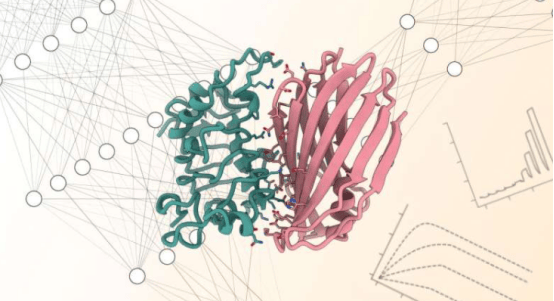
Protein-protein interactions regulate key biological processes such as cell signaling, growth and development, and immune responses. Traditional methods require screening tens of thousands of candidate proteins, placing high demands on laboratory resources and computational power. EPFL School of Engineering PhD student Lennart Nickel said: "The development of BindCraft aims to create more user-friendly tools that require testing only a small number of proteins to obtain effective binders."
The research team employed a reverse engineering strategy, using the AlphaFold2 system to generate novel binder sequences based on desired functional properties. PhD student Christian Schellhaas explained: "BindCraft reconstructs existing workflows through protein structure prediction networks to generate new binders with specific functions." This approach significantly improves the efficiency of protein design.
The team collaborated with researchers from multiple countries and published their findings in the journal Nature. They successfully validated binders targeting more than a dozen biotherapeutic molecules, including gene editing tools such as adeno-associated virus (AAV) and CRISPR-Cas9 nuclease. Experimental data showed that these binders achieved a 46% success rate in binding to the intended targets.
First author Martin Pacesa said: "Applications for AAV can enable gene therapy to more precisely target specific cells and tissues, thereby reducing potential side effects. For the CRISPR-Cas9 system, binders can effectively regulate its gene editing activity." Since the preprint was released, the BindCraft platform has been widely adopted by the biology community and has begun to be applied in industrial settings.
The researchers are now working to expand the platform's capabilities to apply it to smaller therapeutic molecules such as peptides. The development of this open-source tool provides a more efficient and user-friendly research method for the field of protein design.