
Good news from Edith Cowan University (ECU): A new study by the university has found an effective way to extend the storage life of mangoes, which is of great significance to mango lovers, growers, and traders alike.
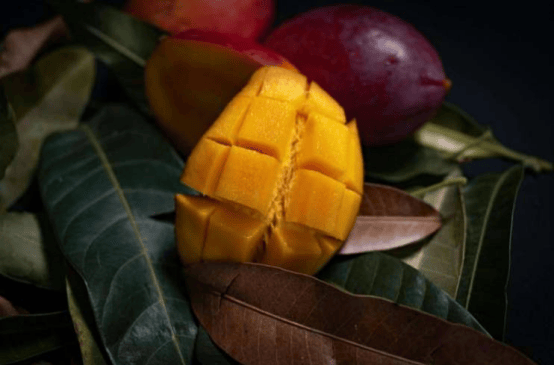
The research was led by Dr. Mekhala Vithana, a lecturer from the School of Science at Edith Cowan University. The findings were published in the journal Plant Growth Regulation. The study discovered that soaking mangoes in ozonated water (aqueous ozonation) for 10 minutes before cold storage can extend their refrigeration life by two weeks and significantly reduce the incidence of chilling injury.
In recent years, global consumption of fruits and vegetables has increased, leading to a rise in mango production. However, mangoes ripen quickly and are highly perishable, resulting in serious losses throughout the supply chain. It is estimated that approximately 20% of Australia's total mango production is lost or wasted, and horticultural products account for about 50% of Australia's total food waste. Therefore, exploring environmentally friendly and cost-effective technologies to reduce post-harvest losses of mangoes is crucial.
Typically, mangoes are harvested at the mature green stage and can be stored for up to 14 days at 13°C. However, this temperature is insufficient for long-term storage. As a tropical fruit, unripe mangoes are sensitive to low temperatures. Storage below 12.5°C can cause "chilling injury," damaging the peel, reducing marketability, and leading to food waste. Susceptibility to chilling injury has become a key limiting factor in using cold storage to extend mango shelf life.
This study focused on the Kensington Pride mango variety, which is widely grown in Australia, and tested aqueous ozonation technology to improve its cold storage tolerance. Researchers found that after soaking mangoes in ozonated water for 10 minutes and then storing them at 5°C, the mangoes could be preserved longer with significantly less chilling injury. Normally, this variety can only be stored for about two weeks at 13°C. After ozone treatment, the storage and shelf life can be extended to 28 days, with chilling injury reduced by 40%.
Dr. Vithana stated that aqueous ozonation is a feasible technology that can improve mango cold tolerance and quality. Ozonation can be controlled on-site, is cost-effective, and ozone rapidly decomposes into oxygen, making it safe for workers. It is generated by bubbling ozone into water using an ozone generator and is widely used for commercial-scale disinfection of fruits and vegetables. Ozone treatment can be combined with the hydro-cooling step after quarantine heat treatment for export mangoes, or used as a standalone post-harvest disinfection step, though further optimization is needed in commercial environments.
Currently, ECU researchers hope to conduct further studies on other mango varieties to test their responses and further reduce chilling injury caused by long-term cold storage.