
The Enfys infrared spectrometer developed by Aberystwyth University in the UK has been shipped to Italy and is about to be installed on the ground test model of the Rosalind Franklin rover for the ExoMars mission. This Mars spectrometer will serve as a core component of the rover's remote sensing instrument suite, assisting in the search for potential signs of life on Mars.
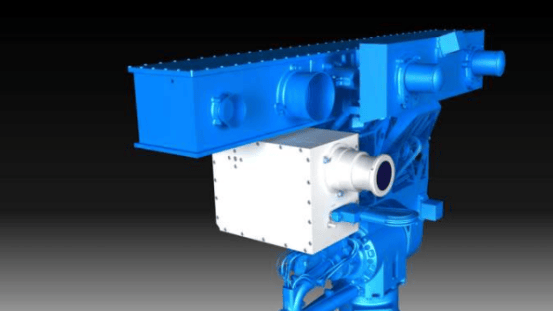
The Enfys Mars spectrometer will work in conjunction with the PanCam camera system led by University College London, helping the rover identify optimal drilling locations through mineral composition analysis. Project Principal Investigator Dr. Matt Gunn stated: "This milestone marks a proud moment for Welsh science, placing Aberystwyth at the heart of one of the most advanced planetary exploration projects in history." Testing of the Mars spectrometer will be conducted in the Mars terrain simulator in Turin.
The development team will next begin building the flight model of the Mars spectrometer. Dr. Helen Miles from the Department of Computer Science added: "It is truly exciting to be part of a mission that may help uncover the secrets of life on Mars." The development of the Mars spectrometer was supported by institutions including the Mullard Space Science Laboratory at University College London, and its detection data will provide critical guidance for drilling samples from up to two meters below the Martian surface.
The delivery of the Enfys Mars spectrometer marks the ExoMars mission entering a new implementation phase. As testing progresses, this advanced infrared spectrometer will provide important technical support for humanity's exploration of potential life on Mars.