
A new paper published by a Cornell University research team in Nature Communications reveals the severe impact of the highly pathogenic avian influenza H5N1 virus on the dairy industry.
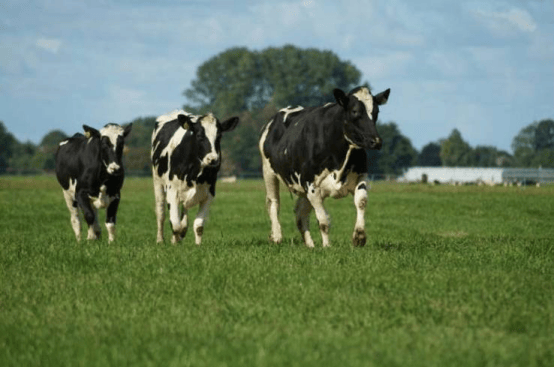
The study shows that the H5N1 virus causes severe mastitis in dairy cows, leading to a significant decline in milk production that can persist even after the clinical outbreak period. In a herd of 3,876 adult dairy cows in Ohio, cows clinically infected with the virus faced a significantly increased risk of death and premature culling.
In terms of economic losses, each clinically infected cow is estimated to cause approximately $950 in losses due to reduced milk yield, death, and premature removal from the herd. For the single herd studied by the research team alone, the total loss reached about $737,500. This figure does not include ongoing herd dynamics or reproductive losses. When aggregated across all affected farms, the impact could result in substantial economic losses for the U.S. dairy industry, which has 9.3 million dairy cows.
Co-author Diego Diel highlighted that the most concerning finding is the long-term decline in milk production among clinically infected cows. Although pasteurization effectively inactivates the virus and ensures milk is safe for human consumption, the drop in yield still imposes a heavy economic burden on dairy producers. Co-author Matthew McLachlan noted that for a clinically diagnosed cow, the average cost is $950. Even if the cow recovers, dairy farmers still face an average loss of $367 due to reduced milk production. However, an avian influenza outbreak in a dairy herd does not necessarily lead to higher consumer milk prices, as milk prices are influenced by many factors including marketing, packaging, and transportation. Nevertheless, the outbreak imposes significant costs on producers. Government support for dairy farmers has been less generous than for poultry producers — the 2022 highly pathogenic avian influenza outbreak already caused approximately $1.4 billion in losses to the U.S. poultry industry.
Regarding prevention and control, first author Felipe Peña Mosca emphasized that the key strategy is to implement strong biosecurity measures to reduce outbreak risk, with the next step being the development of vaccines. Diel also noted that routine disinfection practices to prevent mastitis — such as cleaning teats with sanitizing solutions before milking and drying them with towels — may actually spread the virus in this case. The findings suggest that cumulative exposure during the milking process is associated with the risk of clinical disease, and that virus transmission may occur during milking. Given the ongoing evolution and spread of the H5N1 virus, its impact on the dairy industry warrants further study.