
On September 12, two units of the Phase II Huaneng Jintan Salt Cavern Compressed Air Energy Storage Project in Jintan District, Changzhou, Jiangsu Province, completed full-string startup. The project builds two 350 MW non-supplementary-fired compressed air energy storage units, with a total installed capacity of 700 MW. Both the single-unit power and total installed capacity rank first globally among salt cavern compressed air energy storage projects.
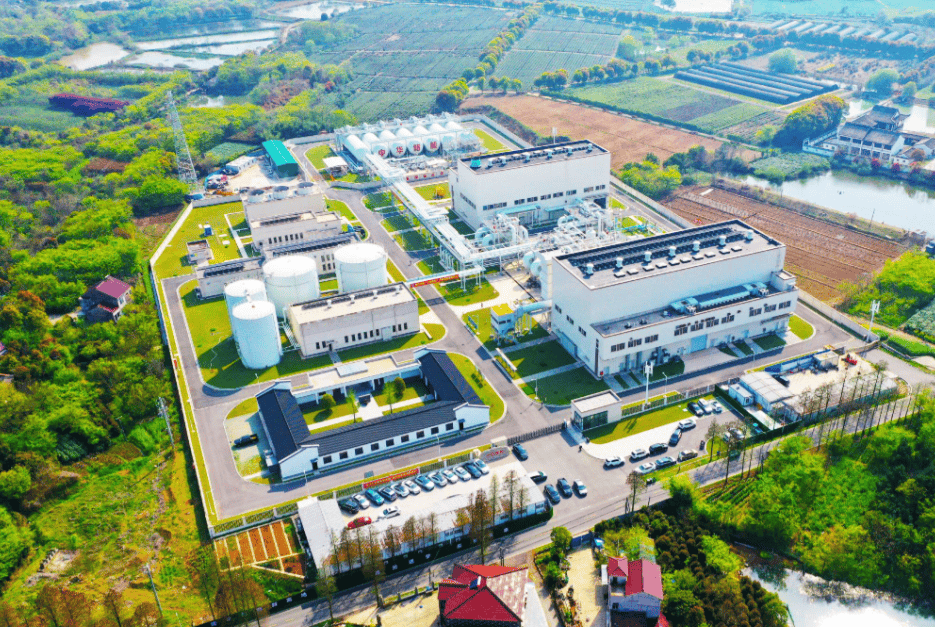
The project is jointly developed by China Huaneng and China Salt Industry Group, with a construction scale of 2×350 MW/2×1,400 MWh. The underground gas storage system utilizes salt caverns formed by depleted mining at the Jintan Salt Mine, with a total of four salt caverns planned for use and a total gas storage volume of approximately 1.2 million cubic meters. The project adopts non-supplementary-fired compressed air energy storage technology, with a single energy storage duration of 8 hours and a power generation duration of 4 hours. A single charge can store approximately 2.8 million kWh of electricity, and the system's overall energy conversion efficiency exceeds 70%. The Changzhou municipal government previously announced that the project is expected to complete approximately 330 charge-discharge cycles per year.
The compression system of the two 350 MW units adopts a "dual-line, four-stage" configuration, with a total of 16 compressors. The air compression flow rate of a single unit is approximately 1,340 tons/hour, and the intake volume of the 350 MW-class air turbine is approximately 2,700 tons/hour. The project adopts medium-temperature pressurized water heat storage technology. The core components of the air turbine have achieved domestic production. The compression system, heat storage and exchange system, underground salt cavern gas storage system, and turbine power generation system together constitute the main energy storage and power generation system.
The Phase II project commenced construction in December 2024. Since 2026, the turbine generator units, compressor units, heat exchangers, and heat storage spherical tanks have been successively installed, the plant-wide electrical system has been energized, and subsequently entered the stages of air blowing, unit rolling, and full-string startup. The construction plan announced by the Changzhou municipal government at the beginning of the year shows that after the two units entered the peak installation and commissioning stage, full-string startup and grid connection became the core subsequent milestone of the project.
The total investment of the project is approximately 4.052 billion yuan. According to Huaneng Power International's 2026 semi-annual report, as of the end of the reporting period, the cumulative investment in the Phase II Huaneng Jintan Compressed Air Energy Storage Project was approximately 1.522 billion yuan, with a project progress of 45%. The funding sources include own funds and borrowings from financial institutions.
The Phase I 60 MW Salt Cavern Compressed Air Energy Storage National Experimental Demonstration Project has been put into operation. Data released by Changzhou in September shows that the Phase I project has been in continuous stable operation for more than 1,500 days, has participated in grid peak shaving more than 960 times, and has provided more than 650 million kWh of peak-shaving electricity.