
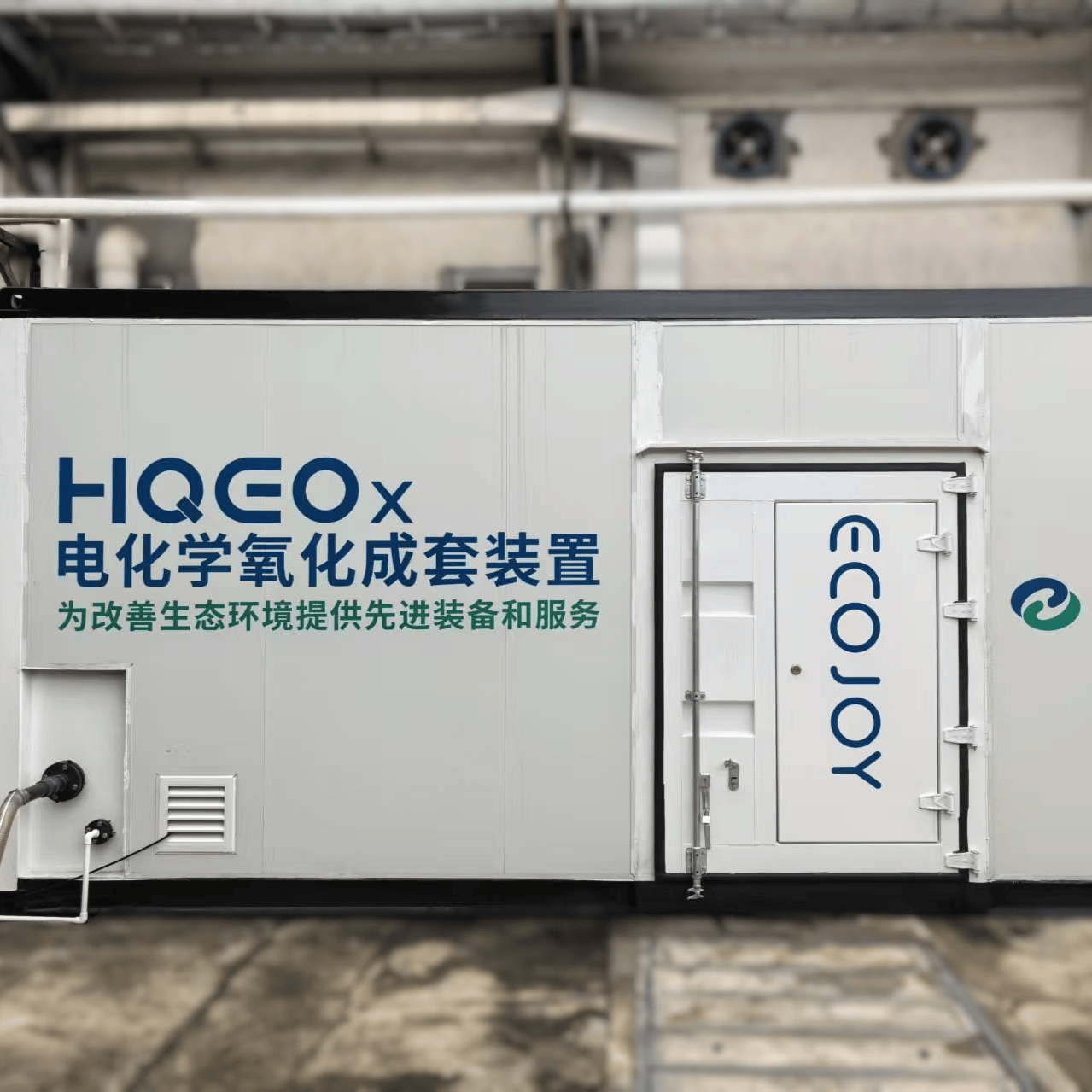
An electrochemical oxidation system uses MOC technology to efficiently break down pollutants like COD, ammonia, and nitrate in wastewater. This compact, chemical-free process works through electrochemical reactions and produces no sludge. Its core component is a durable, high-performance graphene-coated MOC electrode, which offers long service life and low replacement costs.
Electrochemical Oxidation Principle
Direct Oxidation: The pollutants lose electrons directly to the anode and are broken down on its surface.
Indirect Oxidation: The anode generates powerful intermediate substances, such as hydroxyl radicals, which then attack and degrade the pollutants in the wastewater.
Product Advantages
- No chemical agent addition
- No sludge production
- Short retention time
- Small land area
- Strong pollutant removal capacity
- Fast reaction start - up
- Long electrode service life
- Low maintenance cost
