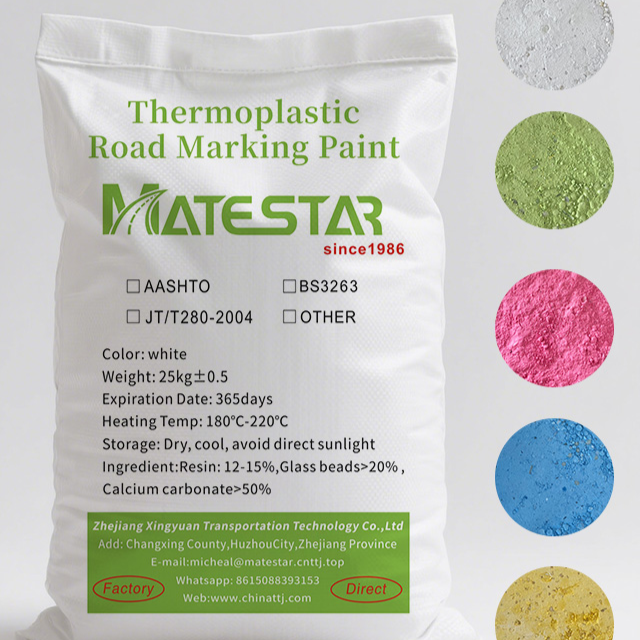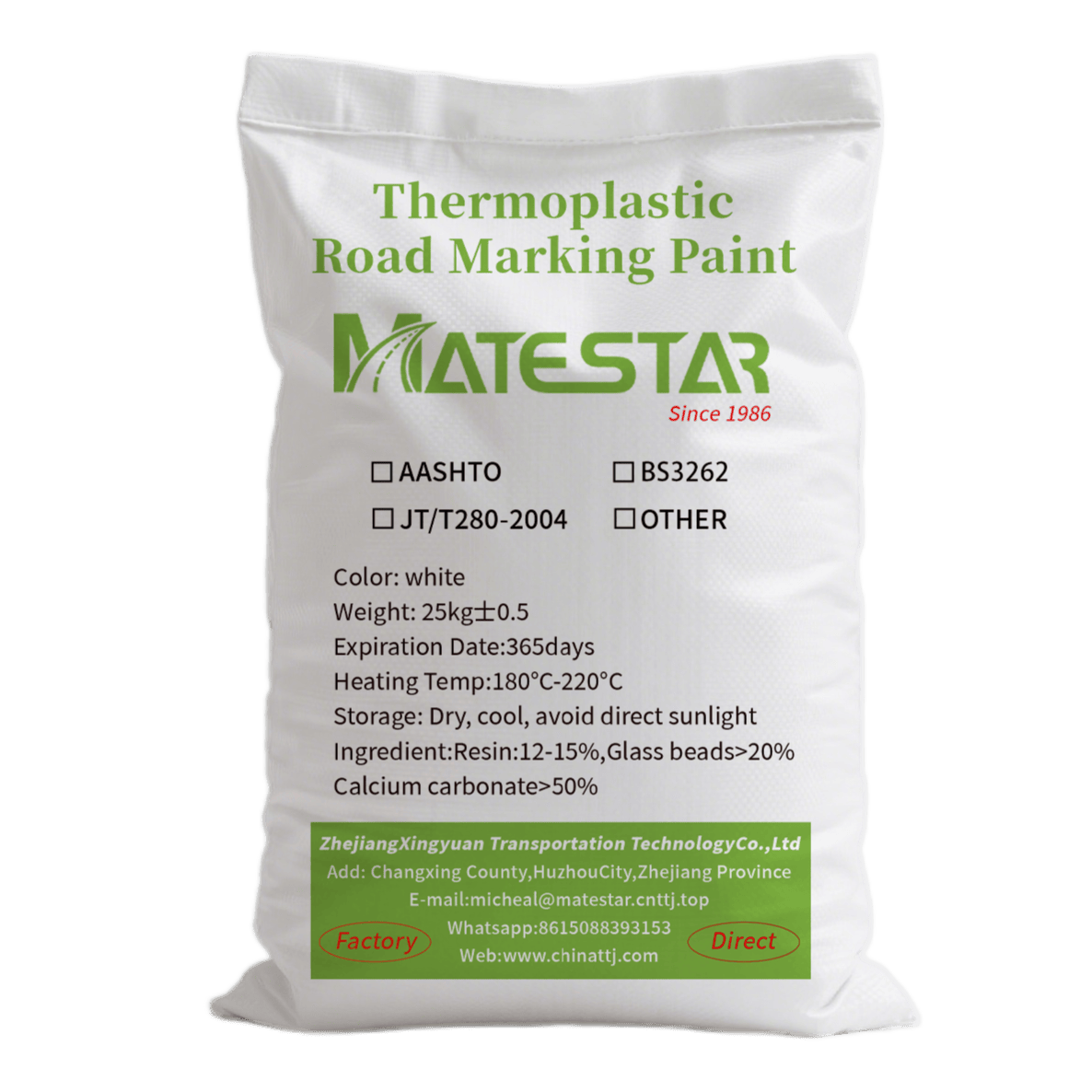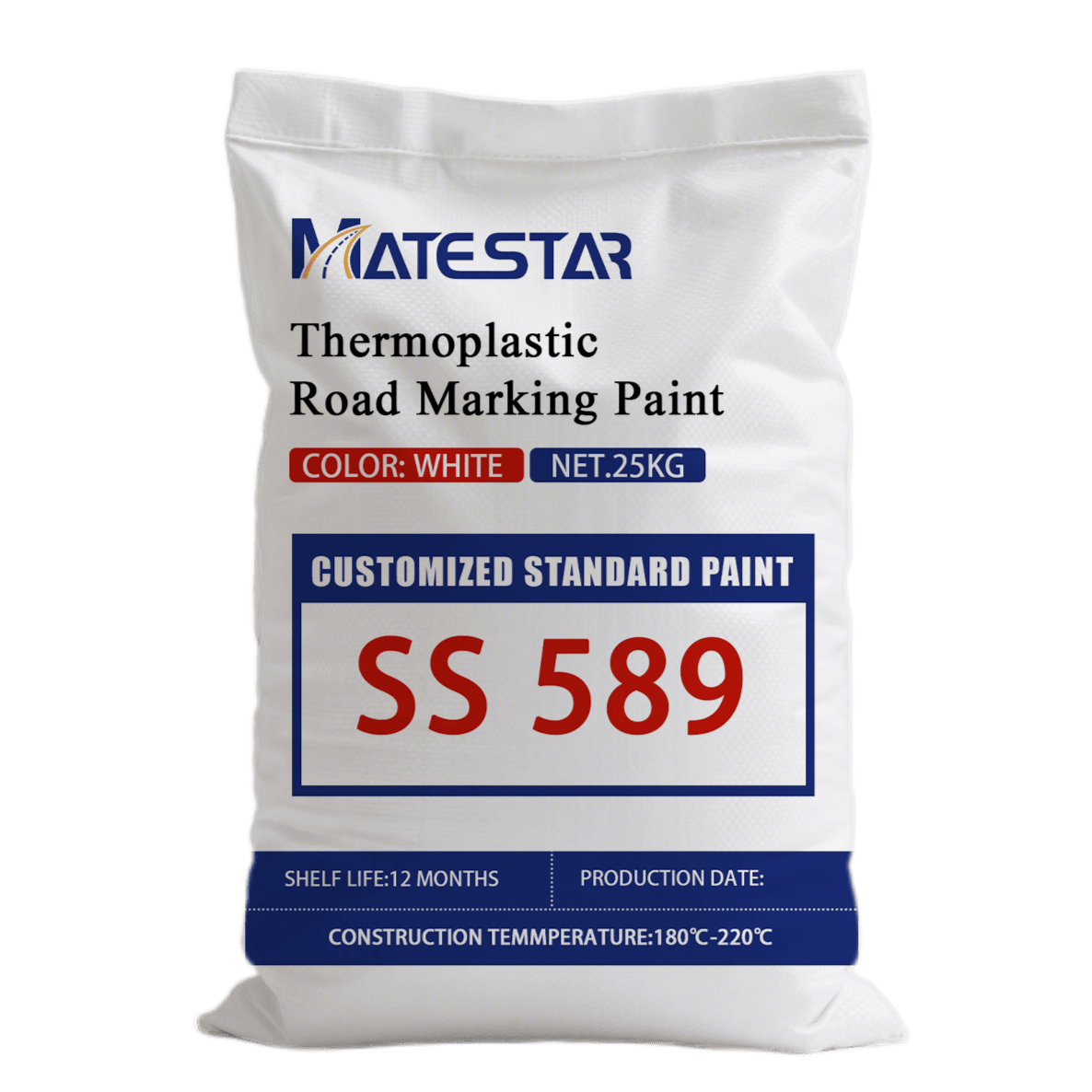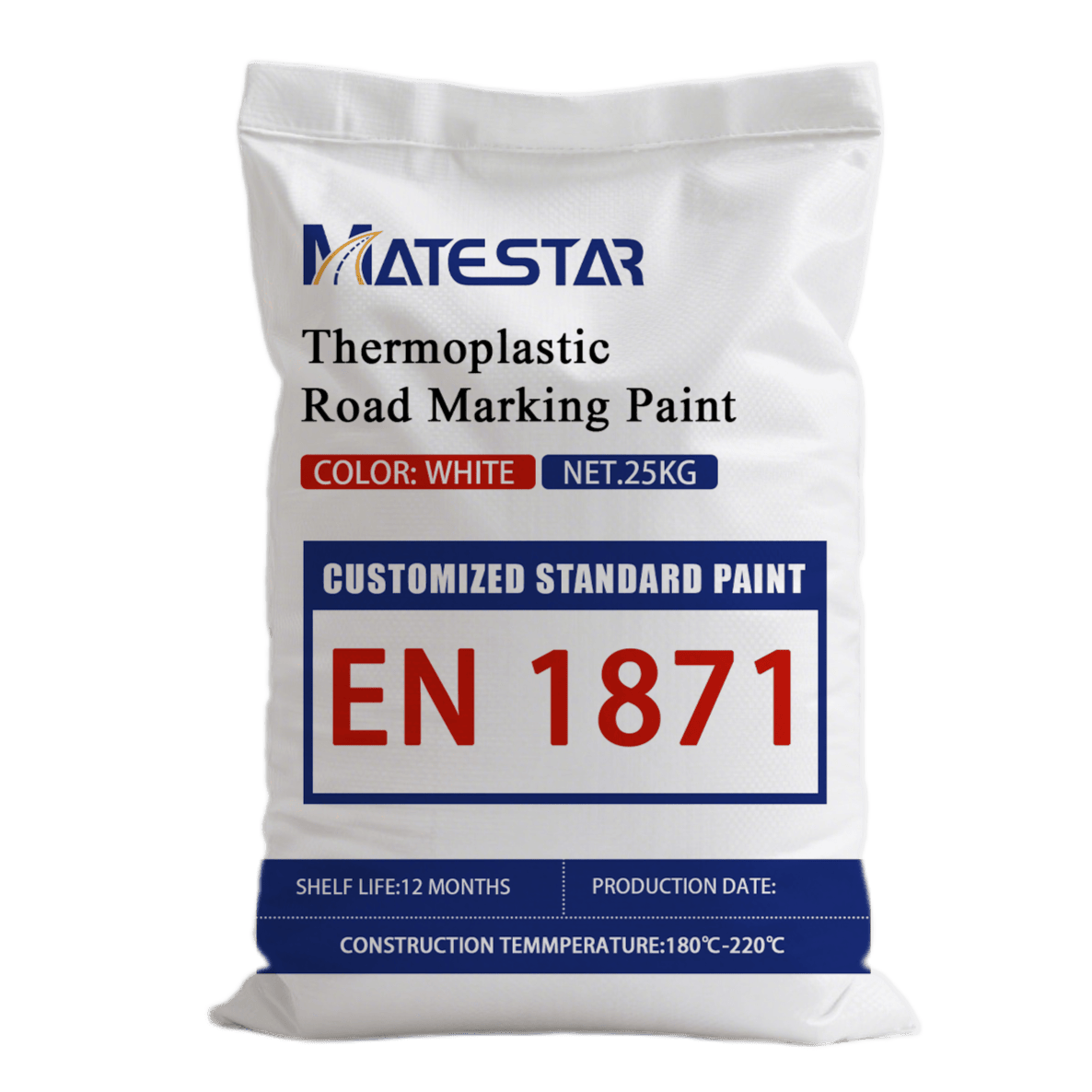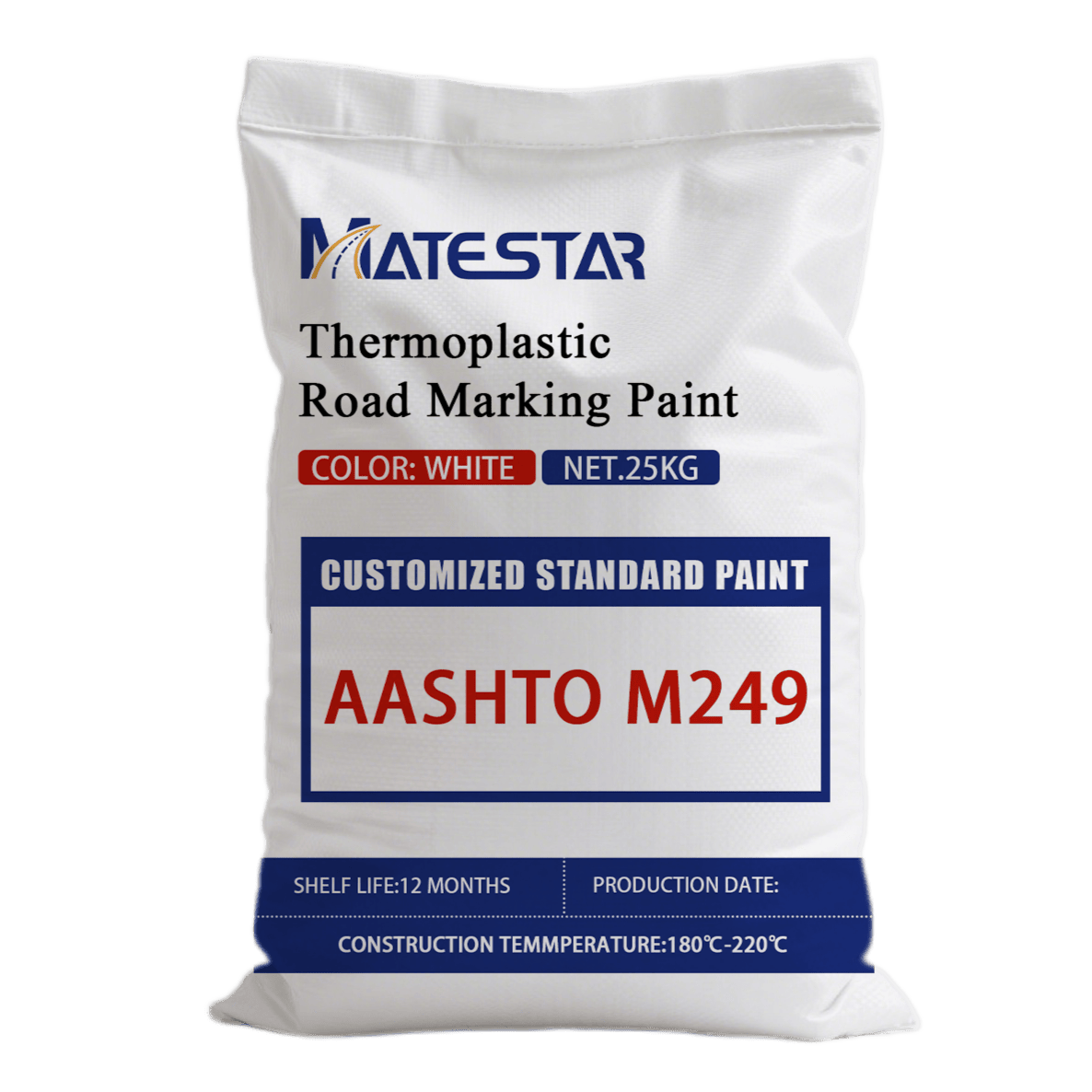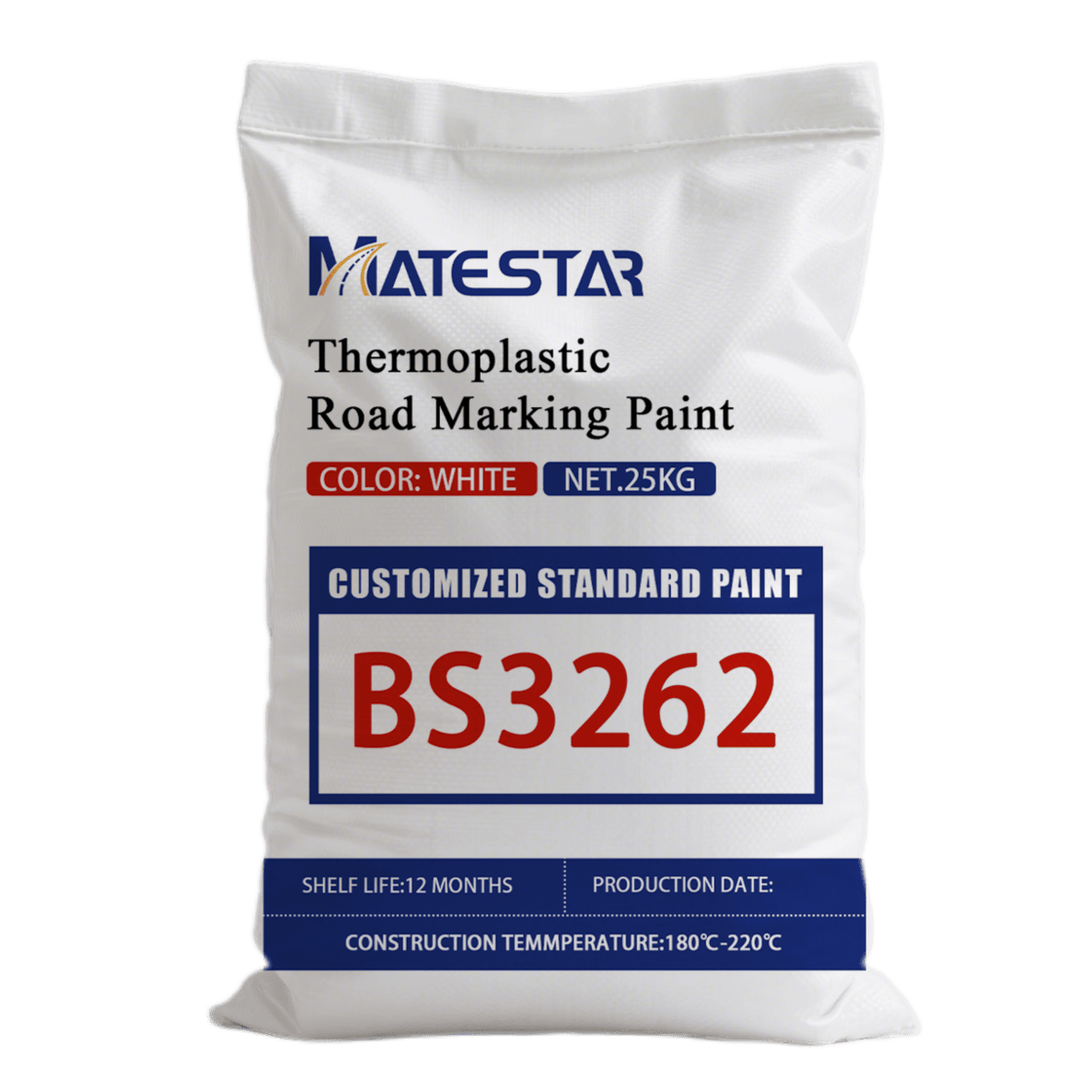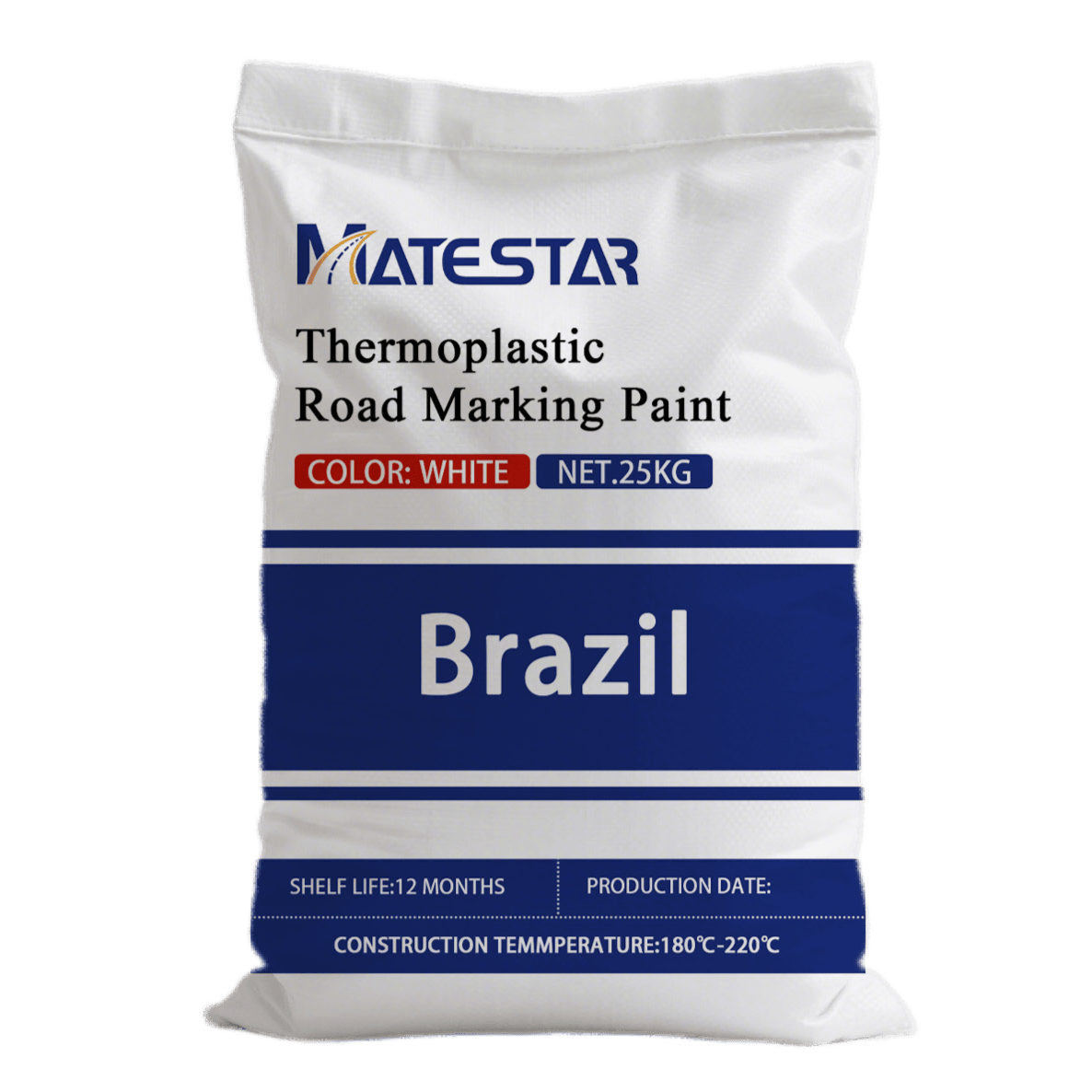


MATESTAR supplies thermoplastic road marking paint for Brazil road projects, including white and yellow hot melt road marking materials, glass beads, custom formula support, 25kg export packaging, and bulk supply from China.
Color customized:White/Yellow/Blue/other color could be customized
MOQ: 1 Ton,Fast Delivery:5-10 Days
Supporting: Free Samples
Application: Urban roads & asphalt road & highways& Parking & Airports etc.
Thermoplastic Road Marking Paint for Brazil
MATESTAR supplies thermoplastic road marking paint for Brazil road contractors, importers, distributors, and public road maintenance suppliers.
Our hot-applied thermoplastic road marking materials are designed for highway lines, urban road markings, pedestrian crossings, parking areas, ports, industrial zones, and municipal road maintenance projects.
We provide white and yellow thermoplastic road marking paint, reflective glass beads, custom formula support, OEM packaging, and stable bulk supply from China. The formula can be adjusted according to project specifications, application method, road surface, climate conditions, glass bead requirements, and tender documents.
For Brazil buyers, we can support both regular road marking projects and higher-performance projects that require better reflectivity, wear resistance, bead anchorage, drying performance, and long-term visibility.
Material Termoplástico for Sinalização Horizontal
In Brazil, thermoplastic road marking paint is commonly related to terms such as material termoplástico para sinalização horizontal, tinta termoplástica para demarcação viária, termoplástico extrudado, and termoplástico por aspersão.
This type of road marking material is heated before application and forms a thick, durable marking layer after cooling. Compared with ordinary cold road paint, thermoplastic road marking paint is more suitable for roads with higher traffic volume, stronger wear, and longer service-life requirements.
MATESTAR thermoplastic road marking paint can be used for:
- · Highway lane lines
- · Urban road markings
- · Center lines and edge lines
- · Zebra crossings
- · Parking lot markings
- · Port and industrial area markings
- · Municipal road maintenance
- · Road safety improvement projects
For Brazilian road projects, the final formula should be selected based on traffic volume, road surface, required marking thickness, color, reflectivity requirement, application equipment, and local project specification.
Brazil Road Marking Standards and Project Requirements
Brazilian road marking projects may refer to DNIT, DNER, ABNT, DER, or specific tender requirements. For thermoplastic road marking materials, buyers usually need to pay attention to technical points such as material stability, glass beads, reflectivity, color, drying time, application thickness, wear resistance, and acceptance testing.
DNIT/DNER documentation includes DNER-EM 372/2000, which covers material termoplástico para sinalização horizontal rodoviária, and it also refers to glass microspheres used in thermoplastic material.
Glass beads are also an important technical item in Brazilian horizontal road marking systems. Research and industry sources commonly connect road marking retroreflectivity with the use of glass microspheres, and NBR 16184 is referenced for glass spheres and microspheres used in horizontal road markings.
For this reason, we do not recommend choosing thermoplastic road marking paint only by price. A suitable formula for Brazil should be selected according to the project standard, tender document, required reflectivity, glass bead type, road environment, and application method.
MATESTAR can provide:
- · Technical Data Sheet
- · SDS
- · Sample testing support
- · Formula adjustment
- · Glass bead matching support
- · Application guidance
- · Export packaging support
- · OEM bag design
Final compliance should be confirmed according to the buyer's local testing, project specification, or authority requirement.