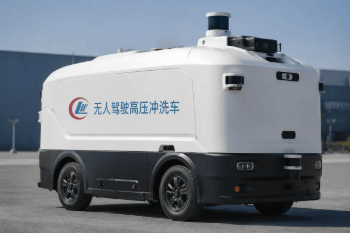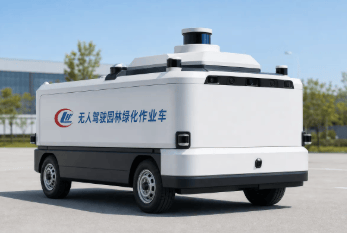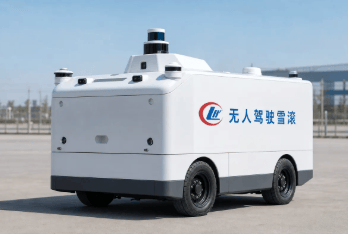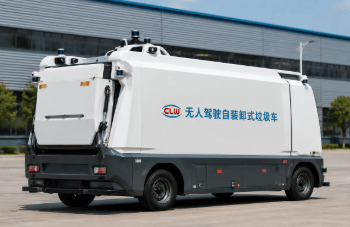


Fire Rescue Vehicle Solutions
Product Introduction
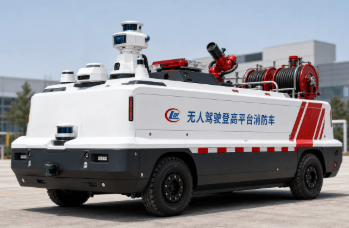
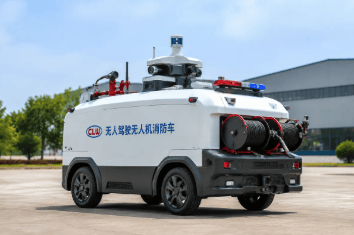
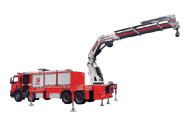
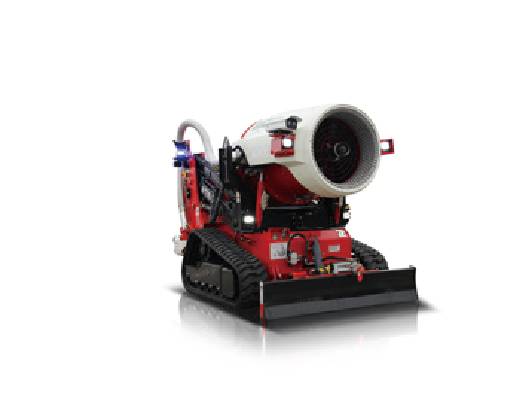
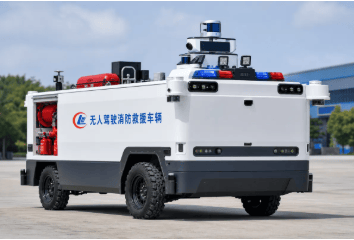
The Chengli unmanned fire rescue vehicle platform is developed for low-speed fire patrol missions in parks, warehouses, tunnels, hazardous chemical areas, and key facilities. It is a pure electric L4 fire patrol concept vehicle oriented toward early warning patrol and initial response. The vehicle is conceptually configured with a 4×4 wire-controlled platform, a 38kWh power battery, and a 282km range. The traditional cab is removed, leaving more space for perception units, control systems, operational mechanisms, and safety redundancy. This model can be deployed for scenarios such as park fire protection, tunnel rescue, warehouse duty, and remote alarm response, with route planning based on electronic fences, mission points, restricted zones, and remote takeover points. The L3/L4 intelligent driving module handles low-speed cruising, obstacle recognition, station stopping, abnormal parking, and manual takeover alerts, and works in coordination with the fire pump, water cannon, foam proportioning valve, equipment compartment, and heat source detection module. The system can collect pump pressure, cannon angle, heat source location, outrigger status, and equipment compartment door status, and transmit vehicle position, operational status, alarm information, and mission results back to the platform. The vehicle primarily serves tasks such as forward patrol, alarm approach, heat source identification, and remote water cannon or equipment coordination, making it suitable for conducting preliminary reconnaissance and auxiliary response in locations where personnel are not suited for prolonged duty or where entry poses higher risks. This product is positioned as a conceptual solution for Chengli unmanned special-purpose vehicles, suitable for prototype validation, closed-scenario trial operations, customer requirement communication, and subsequent custom development. The final configuration can be further confirmed based on project regulations, site conditions, communication networks, and operational intensity.
Product Features
L3/L4 System: The fire rescue vehicle approaches via a safe route after receiving an alarm, supporting remote water cannon control, heat source avoidance, and emergency takeover
Operational Coordination: The intelligent driving mission of the fire rescue vehicle directly links to the fire pump, water cannon, foam proportioning valve, equipment compartment, and heat source detection module
Status Perception: Real-time collection of the fire rescue vehicle's pump pressure, cannon angle, heat source location, outrigger status, and equipment compartment door status, with automatic degraded stopping in the event of anomalies
Route Strategy: The fire rescue vehicle sets mission points, restricted zones, and remote takeover points around warehouse parks, tunnel entrances, hazardous chemical device areas, and fire water intake points
Operational Closed Loop: Each mission of the fire rescue vehicle retains records of routes, workload, alarms, and manual takeover events