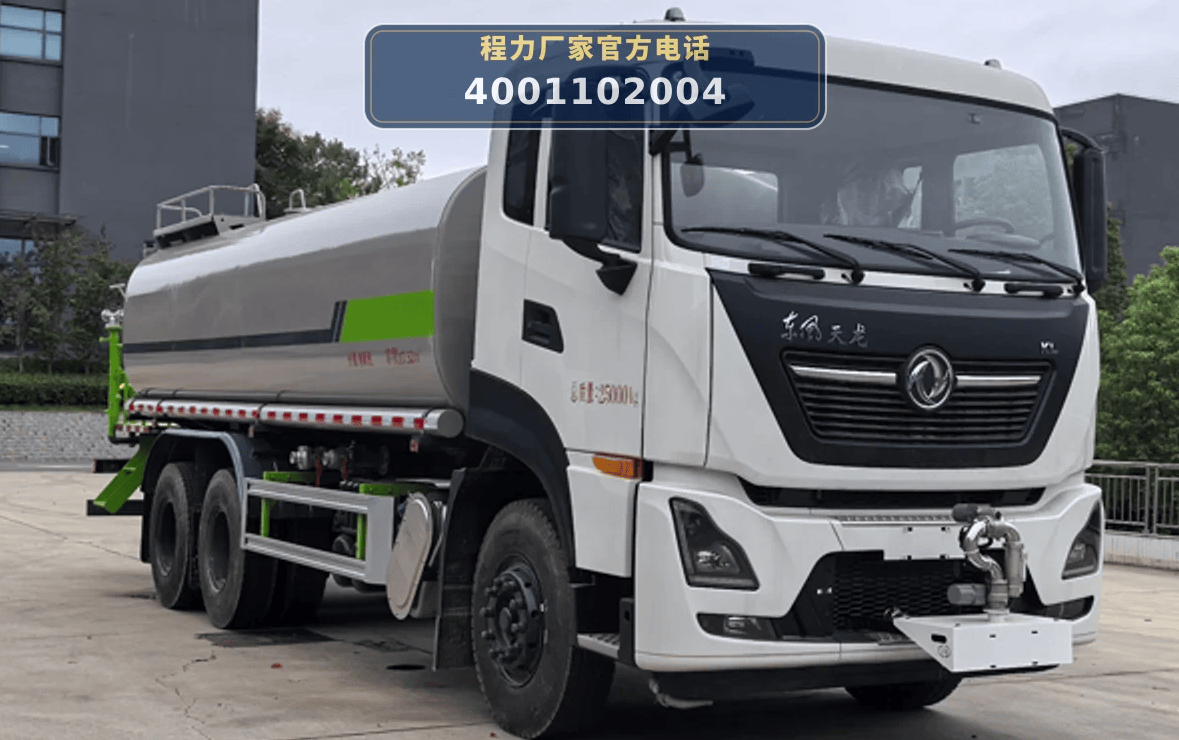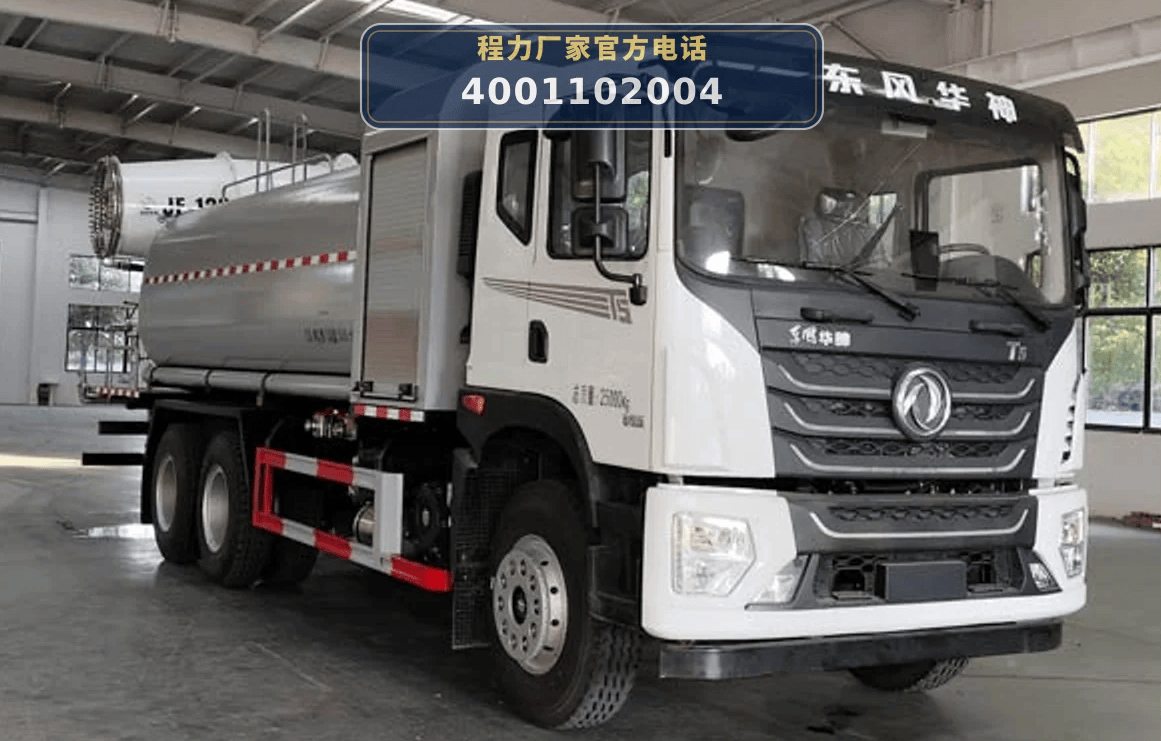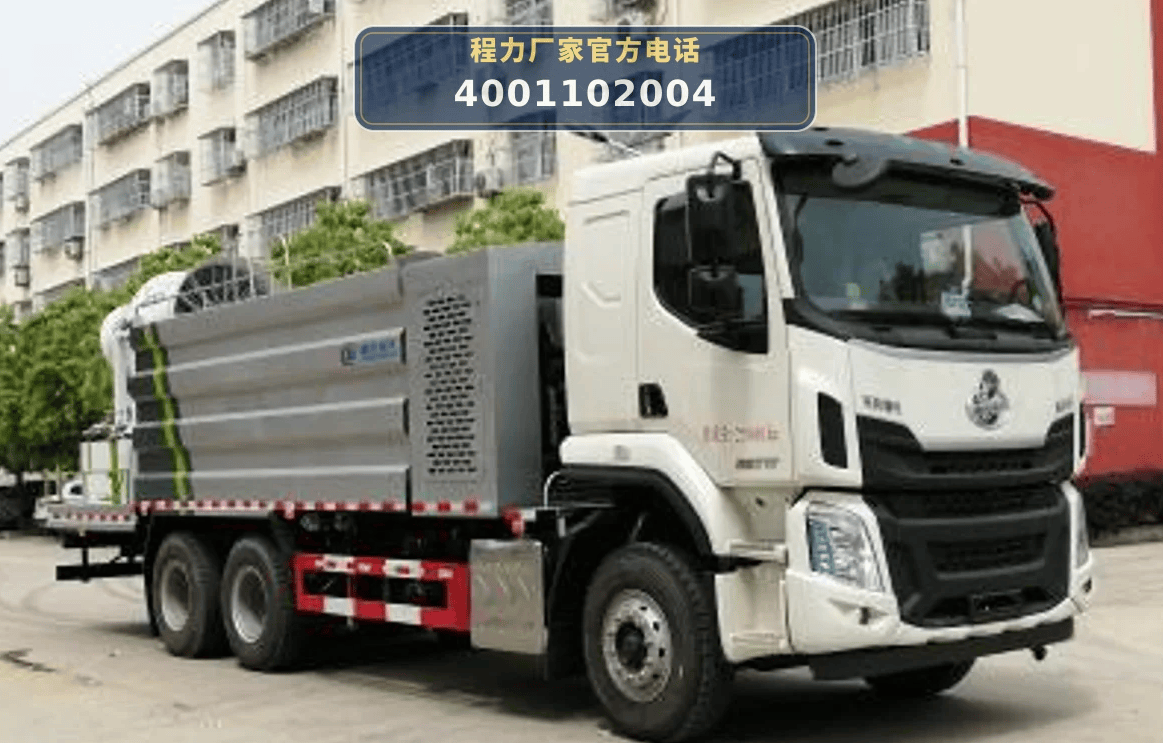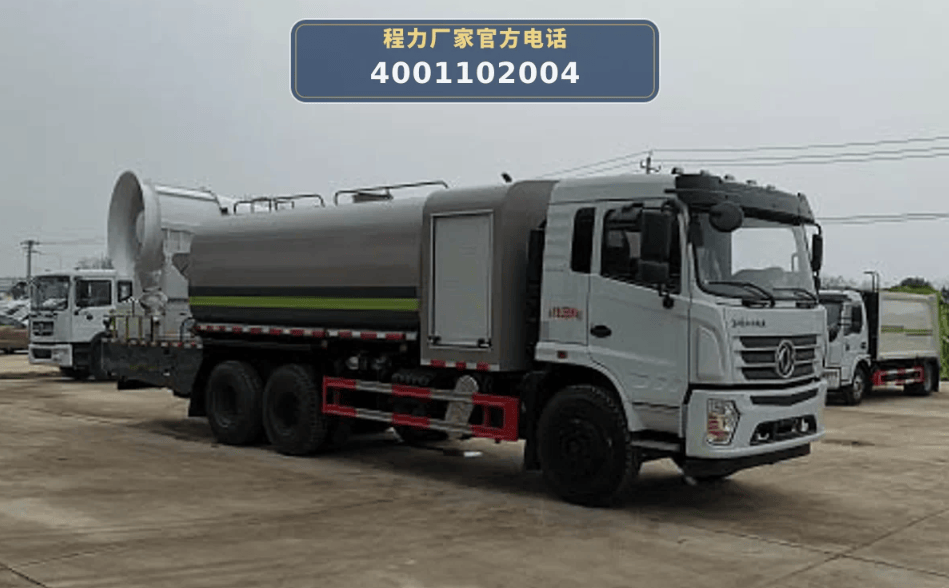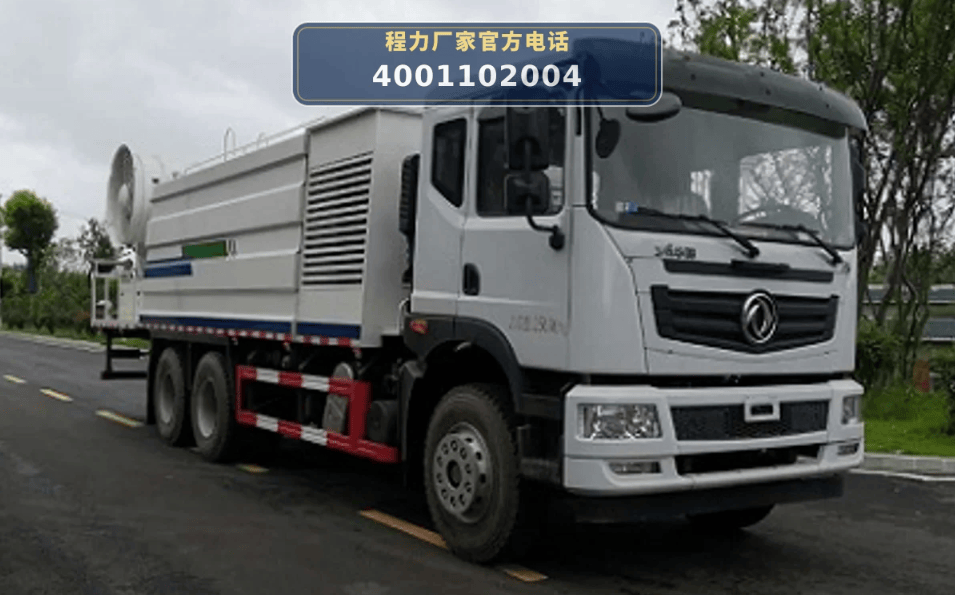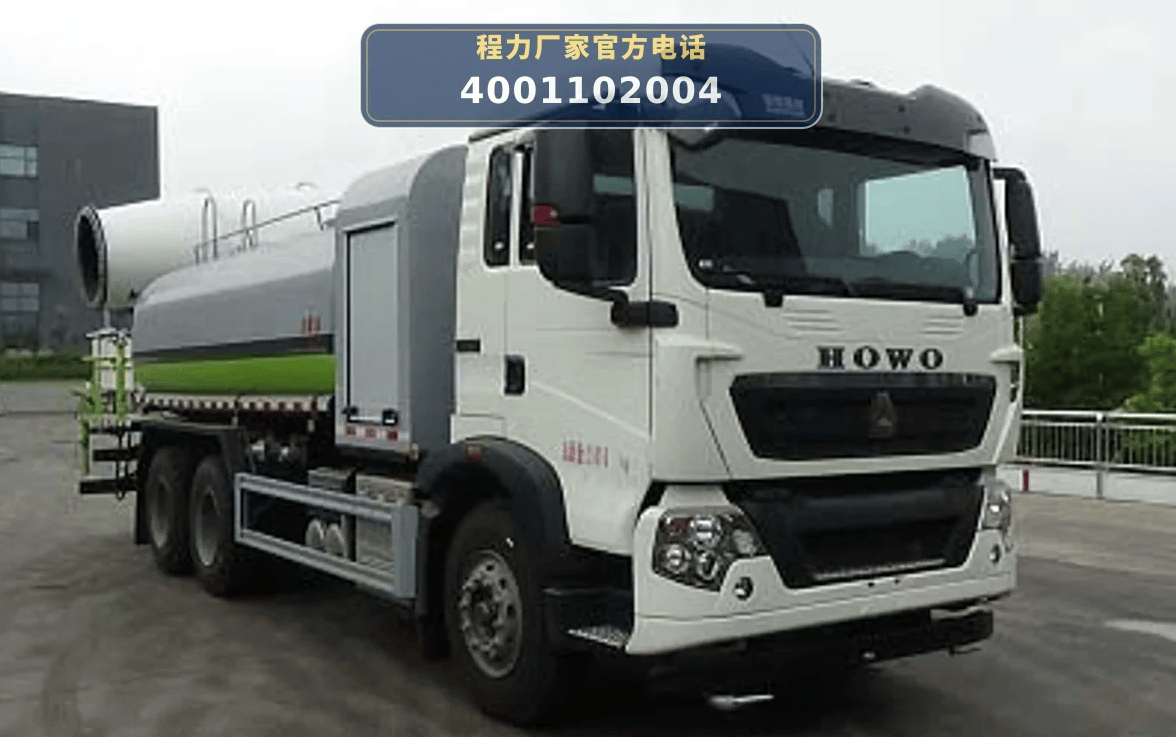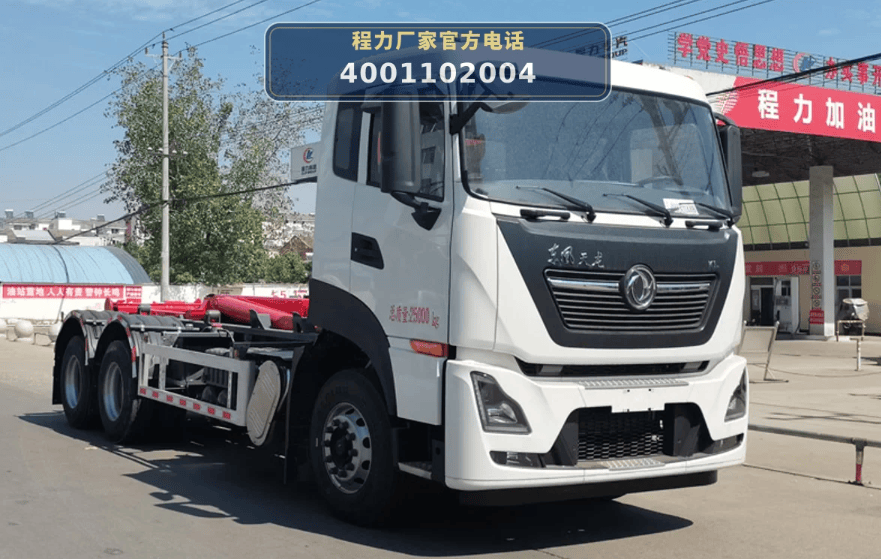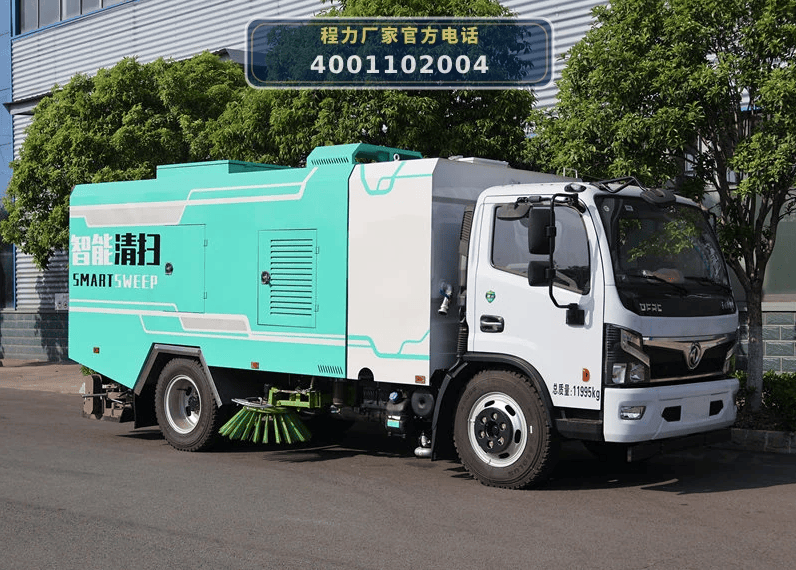


This product is a road pollution removal vehicle supplied by Chengli Special Automobile Co., Ltd., which also functions as a dry-wet vacuum truck. Quotation consultation services for this product are available, and customized production can be supported according to actual needs. It is primarily designed for deep road pollution cleaning operations, providing corresponding operational vehicle support for various professional road cleaning needs.
| Vehicle Model | CLW5180TWQD6 |
|---|---|
| Product Name | Road Pollution Removal Vehicle / Dry-Wet Vacuum Truck |
| Chassis Model | DFH1180EX8 |
| Rated Volume | See Announcement |
| Overall Dimensions | 9150, 8870, 9100 × 2480, 2500, 2530 × 3150, 3280, 3410 mm |
| Gross Vehicle Weight | 18000 kg |
| Curb Weight | 12600 kg |
| Rated Payload | 5270 kg |
| Wheelbase | 3800 mm |
| Number of Axles | 2 |
| Engine | D4.5NS6B190 / D6.7NS6B230 / B6.2NS6B210 |
| Fuel / Emission Standard | Diesel / China VI |
Working Principle
The CLW5180TWQD6 road pollution removal vehicle (dry-wet vacuum) is built on the DFH1180EX8 chassis. In dry operation mode, it relies on a negative-pressure vacuum system to draw road surface dust, sand, and other debris directly into the filter chamber. After solid waste is intercepted by high-precision filter elements, clean air is discharged outward without generating secondary dust.
When switched to wet operation mode, the vehicle first injects atomized water into the vacuum airflow path. Suspended dust particles gain weight upon contact with water and rapidly settle, then enter the dust collection unit for solid-liquid separation. This avoids the problem of high-concentration dust clogging the filter elements and is suitable for operation scenarios with heavy dust.
The vehicle has a gross weight of 18000 kg and a curb weight of 12600 kg. It can be equipped with multiple China VI diesel engines to provide operational power. The two dust removal modes can be flexibly switched to meet municipal sanitation road cleaning needs under different weather conditions and pollution levels.
Applicable Operation Scenarios
Daily cleaning of urban main and secondary roads: Equipped with both dry and wet dust removal modes, it can efficiently remove road surface dust, spilled debris, and other pollutants without secondary dust during operation, making it suitable for routine municipal sanitation road cleaning needs.
Internal road cleaning in industrial and mining areas: Targeting pollutants such as coal powder, mineral slag, and industrial debris that easily accumulate on plant roads, the dry-wet operation modes can be switched as needed, adapting to cleaning needs under different climates and pollution types in the plant area.
Road cleaning around construction sites: It can efficiently absorb accumulated engineering spoil, sand and gravel particles, and residual dust on road surfaces. The wet mode prevents dust from spreading, while the dry mode is suitable for low-temperature operations, ensuring road cleanliness meets standards.
Road vacuum cleaning in low-temperature weather: It can switch to pure dry dust removal mode, completing road vacuum cleaning without water spraying, avoiding the risk of road icing after water spraying in low-temperature weather, and ensuring normal cleaning operations under low-temperature conditions.