
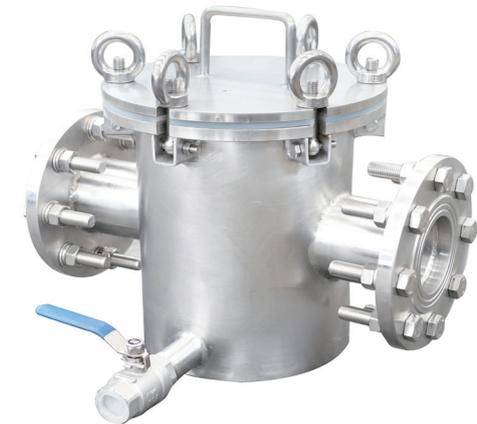
The liquid pipeline permanent magnetic iron remover consists of an annular magnetic grid (multiple strong magnetic rods fixed in an annular arrangement) and a stainless steel housing. The flanges at both ends of the housing are connected to the inlet and outlet pipes. When the slurry passes through the liquid pipeline permanent magnetic iron remover, magnetic impurities are effectively adsorbed onto the surface of the strong magnetic rods. The annular magnetic grid structure enables the slurry to tumble multiple times within the iron remover, thoroughly separating magnetic impurities from non-magnetic materials. This effectively reduces the risk of magnetic impurities adsorbed on the surface of the magnetic rods being carried away by the flowing slurry, greatly improving the quality of the concentrate. The liquid pipeline permanent magnetic iron remover is mainly used for pipeline iron removal before dehydration of materials such as lithium carbonate and lithium hydroxide. It is widely used in industries such as pharmaceuticals, chemicals, papermaking, non-metallic minerals, refractory materials, and battery cathode and anode materials.
1/1


Liquid Pipeline Permanent Magnetic Iron Remover
Negotiable
China
Huate Road, Linqu Economic Development Zone, Shandong Province
0536-3158857 3391878
+86 13666364573
htcd@chinahuate.com
Product Introduction
Product Parameters
Technical Parameters
| Model | Pipeline Diameter mm | Number of Magnetic Rods | Reference Processing Capacity (L/min) | |
|---|---|---|---|---|
| Low Viscosity Flow | High Viscosity Fluid | |||
| RCYA—DN50 | 50 | 5 | 480 | 300 |
| RCYA—DN80 | 80 | 6 | 600 | 400 |
| RCYA—DN100 | 100 | 9 | 2500 | 1000 |
| RCYA—DN150 | 150 | 11 | 4500 | 2000 |
| RCYA—DN200 | 200 | 13 | 7000 | 2900 |
| RCYA—DN250 | 250 | 15 | 8500 | 3400 |
(For model selection reference only)
Slurry requirements: Viscosity 1000~5000 cP; Magnetic material content: less than 1%;
Working cycle: For a magnetic material content of approximately 1%, flush once every 10~30 minutes; for PPM-level content, flushing once every 8 hours is achievable.
The working cycle is for model selection reference only. Users need to continuously adjust based on actual operating data to achieve optimal results.
Other products from this supplier

Negotiable
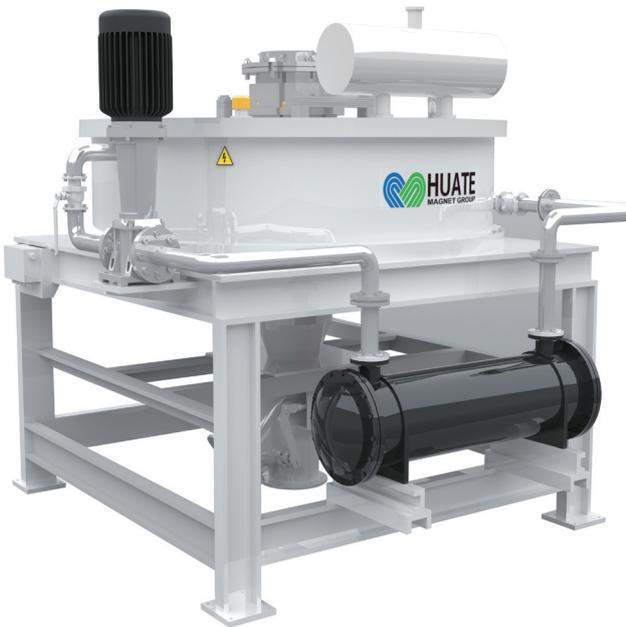
HCT Dry Powder Electromagnetic Iron Remover
Negotiable
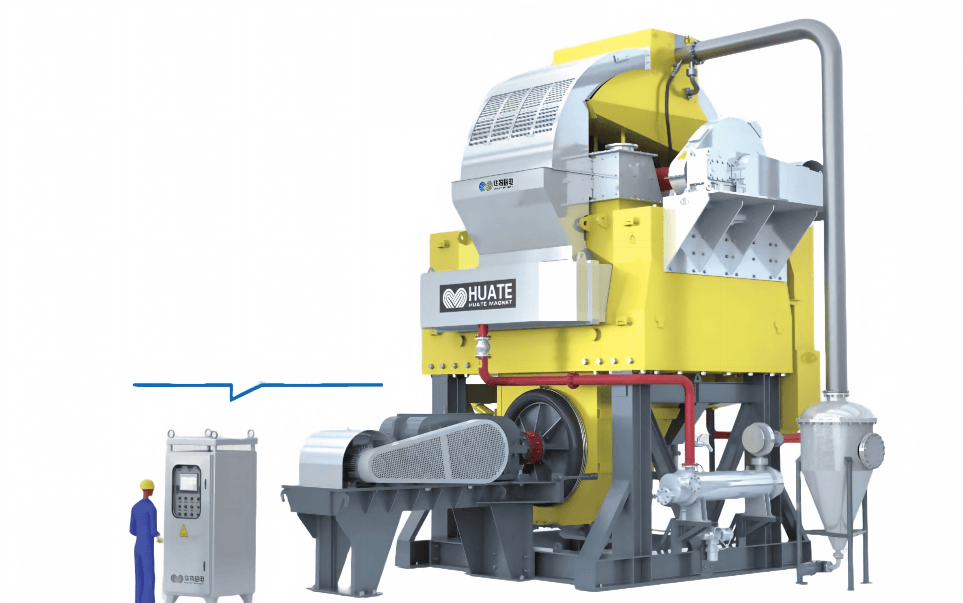
Intelligent Vertical Ring High Gradient Magnetic Separator
Negotiable
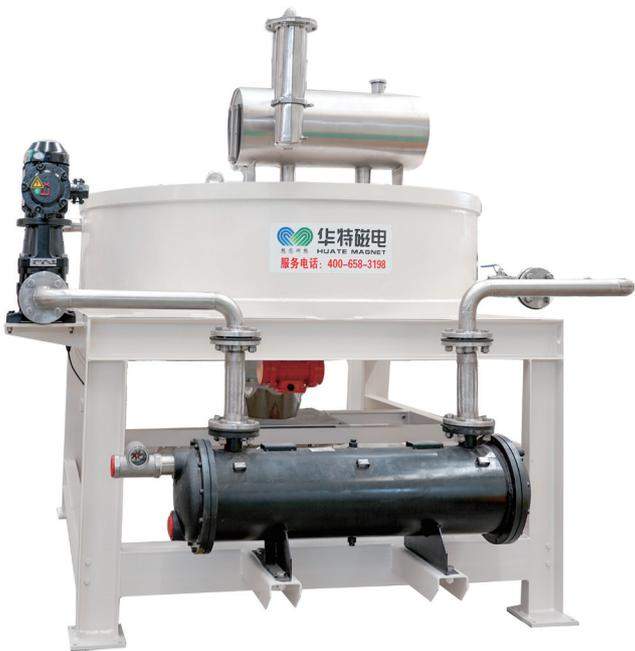
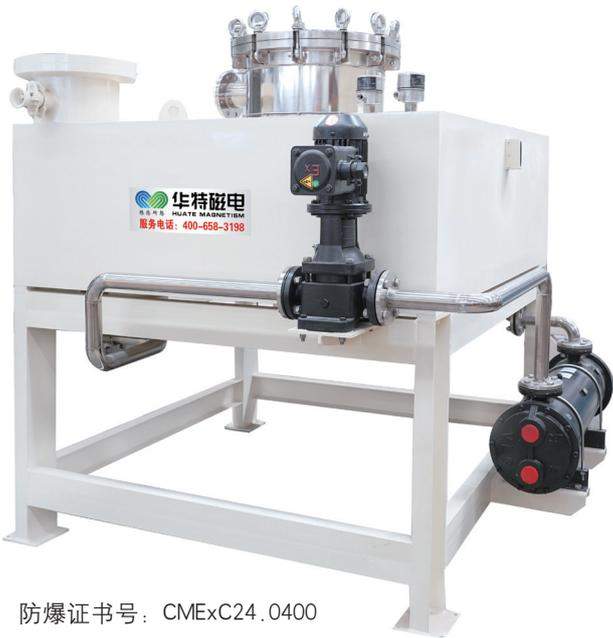
HCT Series Explosion-Proof Dry Powder Electromagnetic Iron Remover
Negotiable
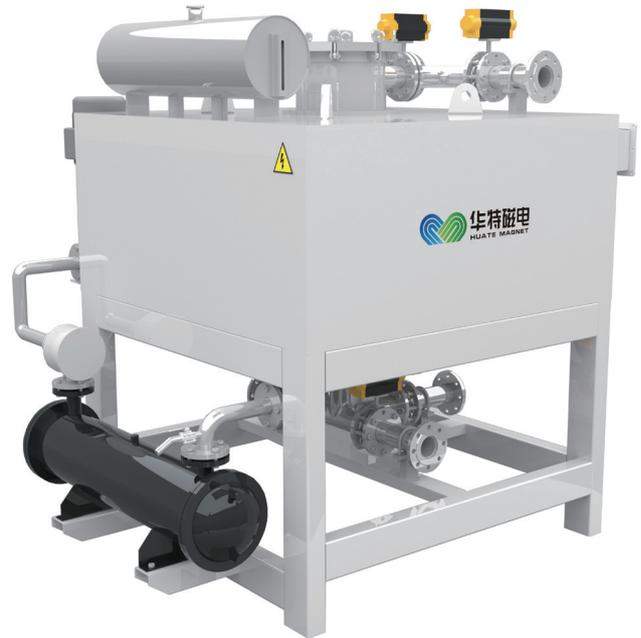
HCTS Series Explosion-Proof Slurry Electromagnetic Iron Remover
Negotiable
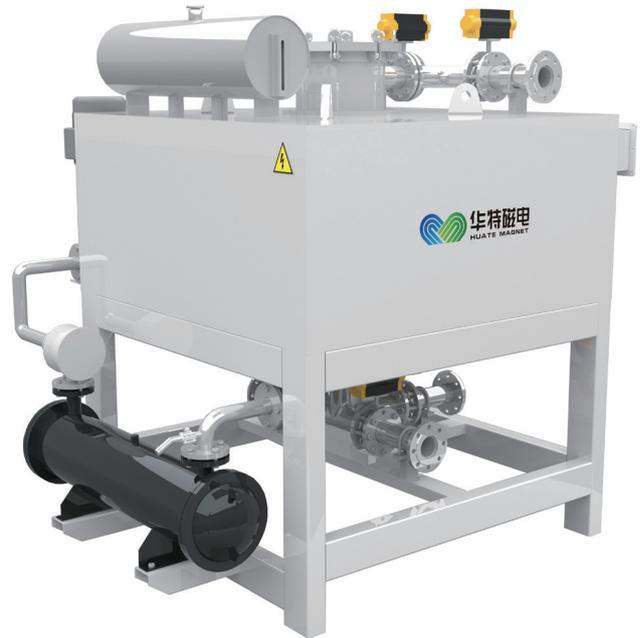
HCTS Slurry Electromagnetic Iron Remover
Negotiable
HCTG Electromagnetic Dry Powder Iron Remover
Negotiable
CTG Series High Field Intensity Drum-Roller Type Permanent Magnetic Separator
Negotiable
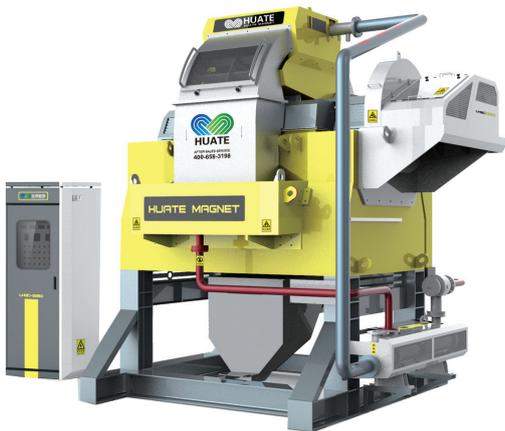
World's Fourth-Generation Oil-Water Compound Cooling Vertical Ring High Gradient Magnetic Separator
Negotiable
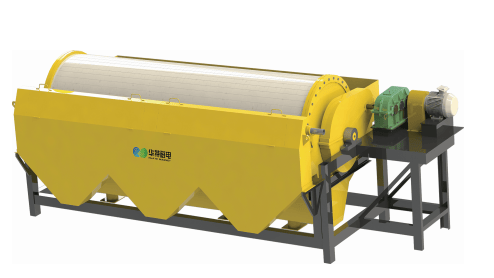
CTY Series Permanent Magnet Wet Pre-separator
Negotiable
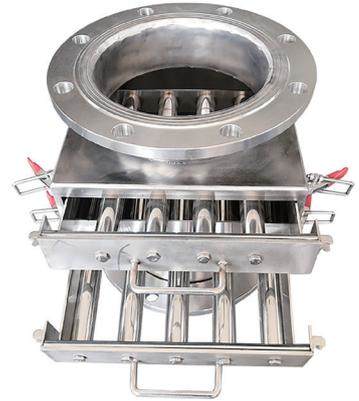
Drawer-Type Magnetic Grate Permanent Magnetic Iron Remover
Negotiable
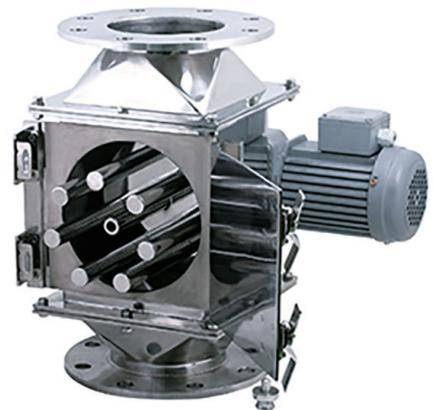
Rotary Grate Permanent Magnetic Separator
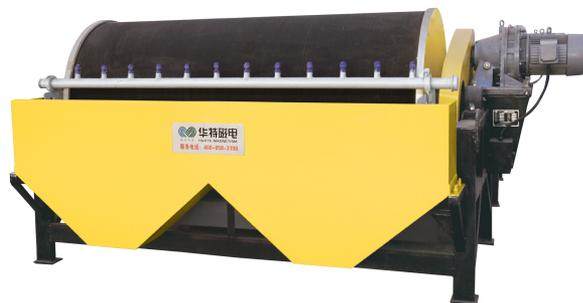
Negotiable
CTB Series Permanent Magnetic Drum Separator
Related Products
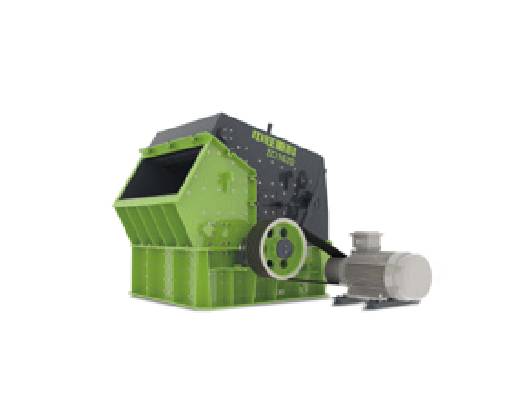
Fixed Crusher
Negotiable
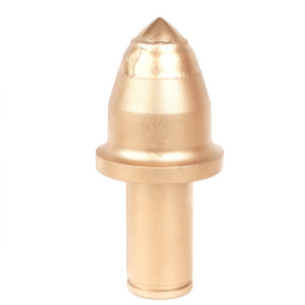
Tunnel Boring Cutter
100-800 /pcs.
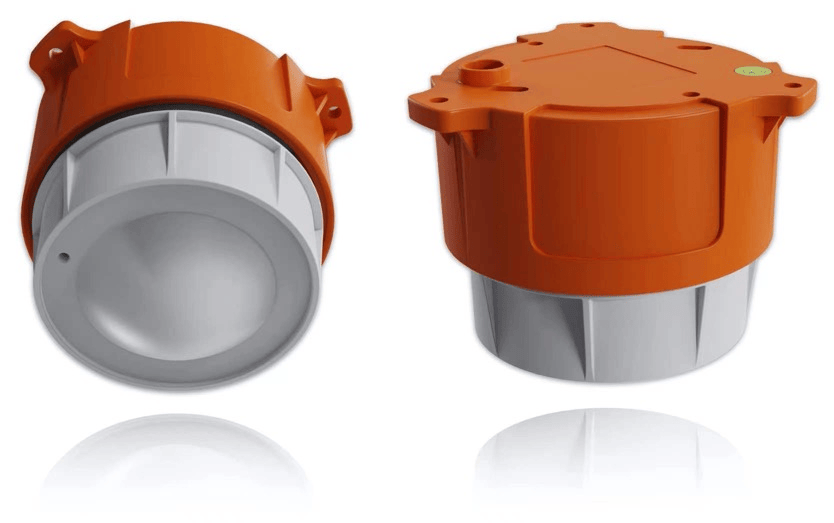
AI Mining Conveyor Belt Tear Detection and Coal Flow Detector
Negotiable
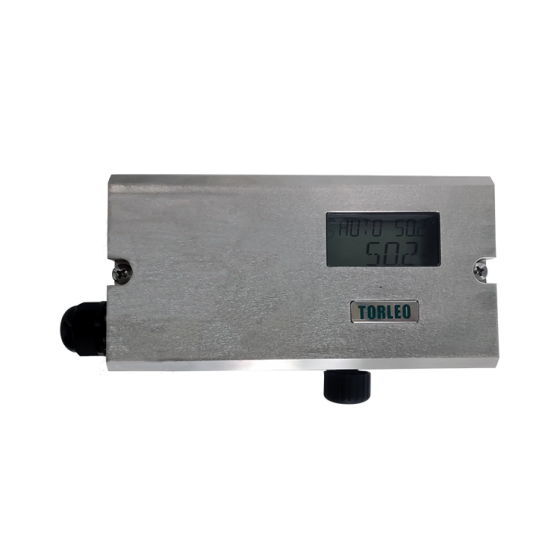
TOP-5879F1-C45 Intrinsically-Safe Type (Intelligent Valve Positioner)
Negotiable
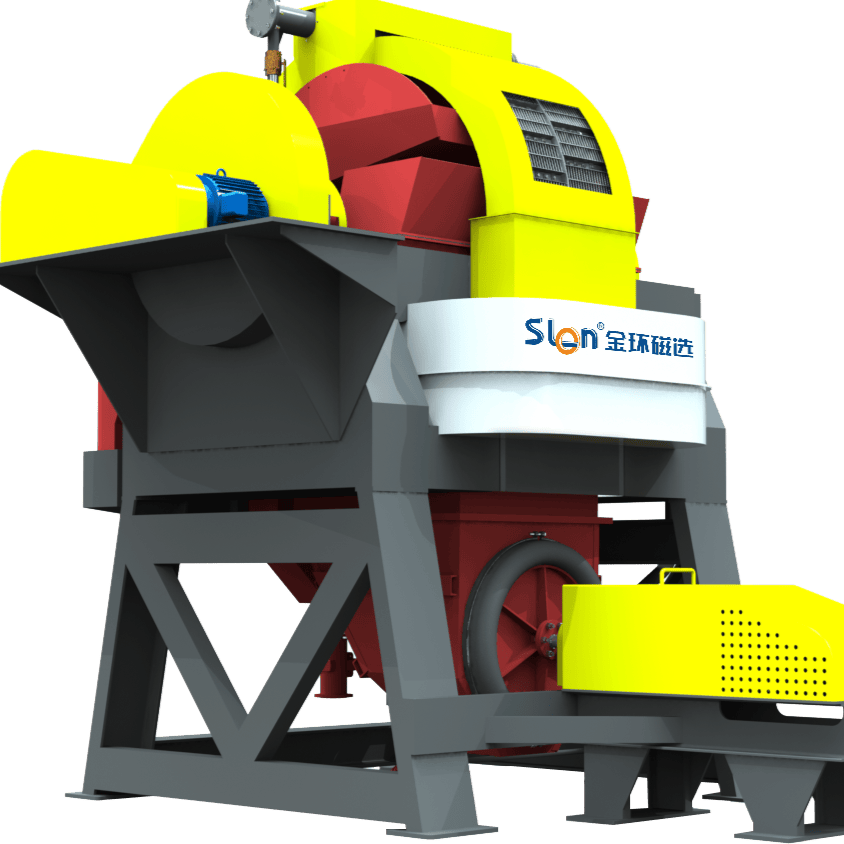
SLon Vertical Ring Pulsating High Gradient Magnetic Separator
Negotiable
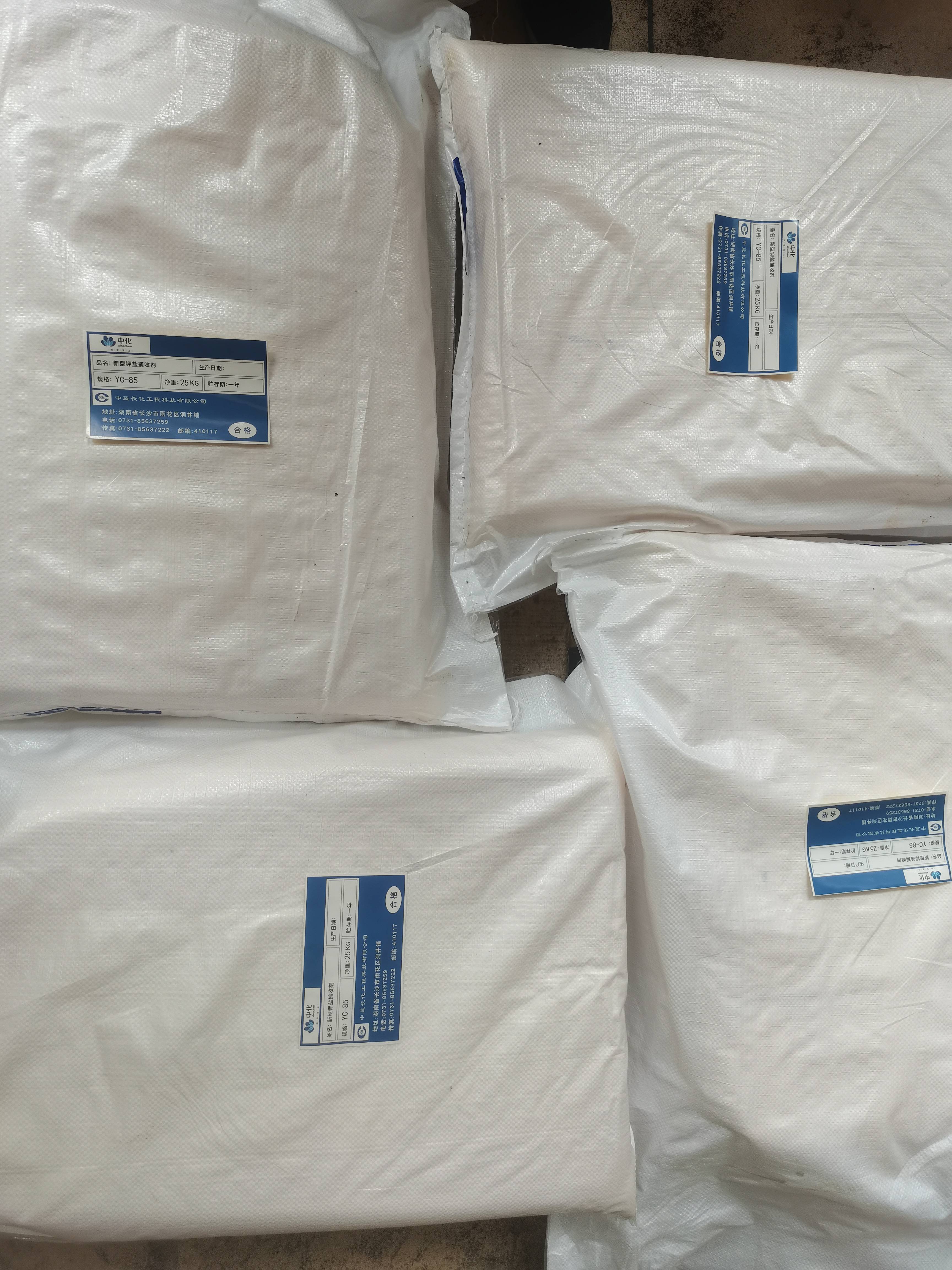
New Environmentally Friendly Green Potassium Salt Collector
Negotiable
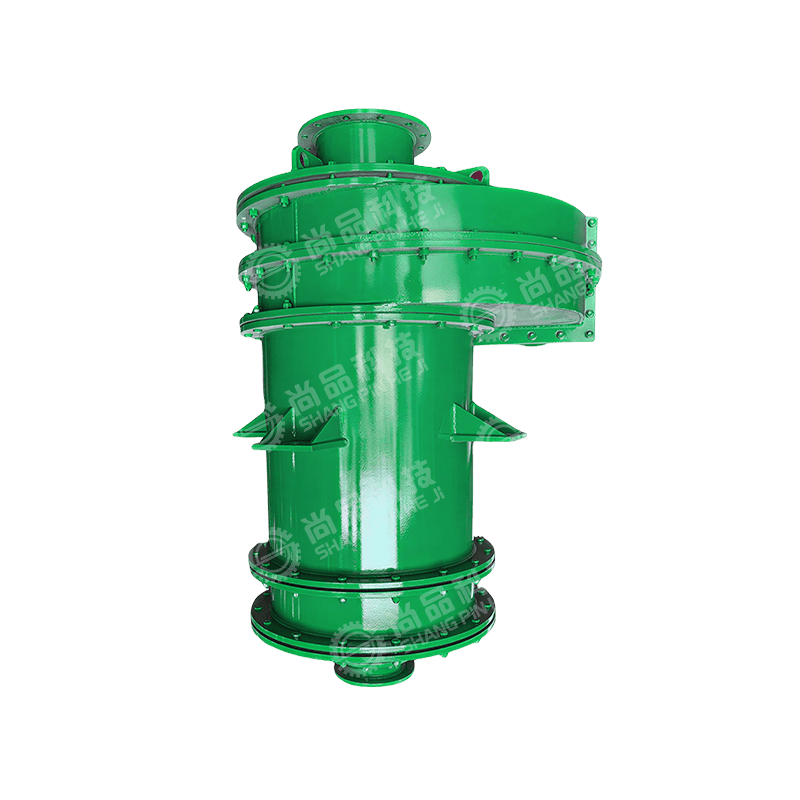
Flat-Bottom Hydrocyclone (Smax-P Series)
Negotiable
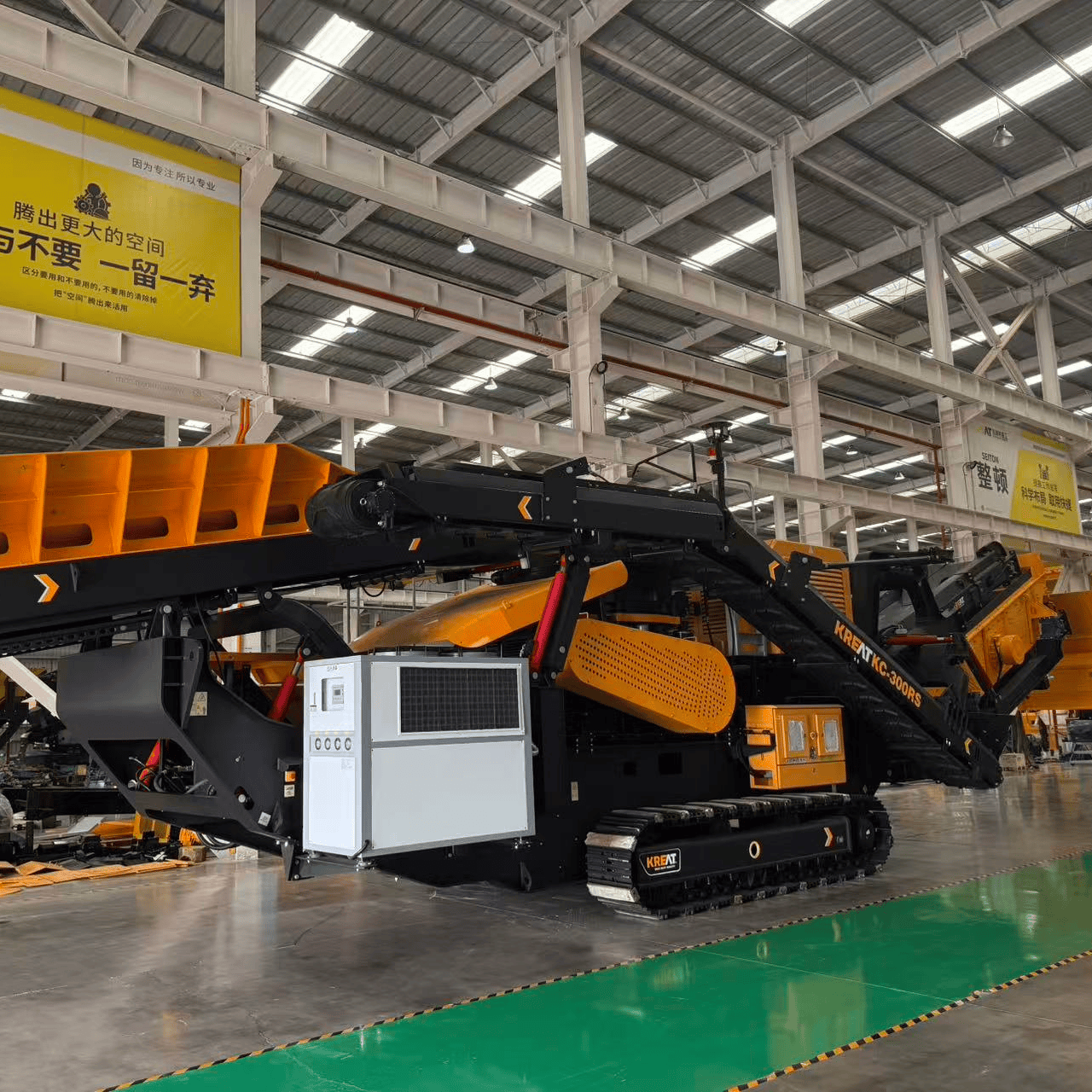
Kreat KC-300RS Cone Crusher
Negotiable
CD Series Argillaceous Gangue Inhibitor
Negotiable
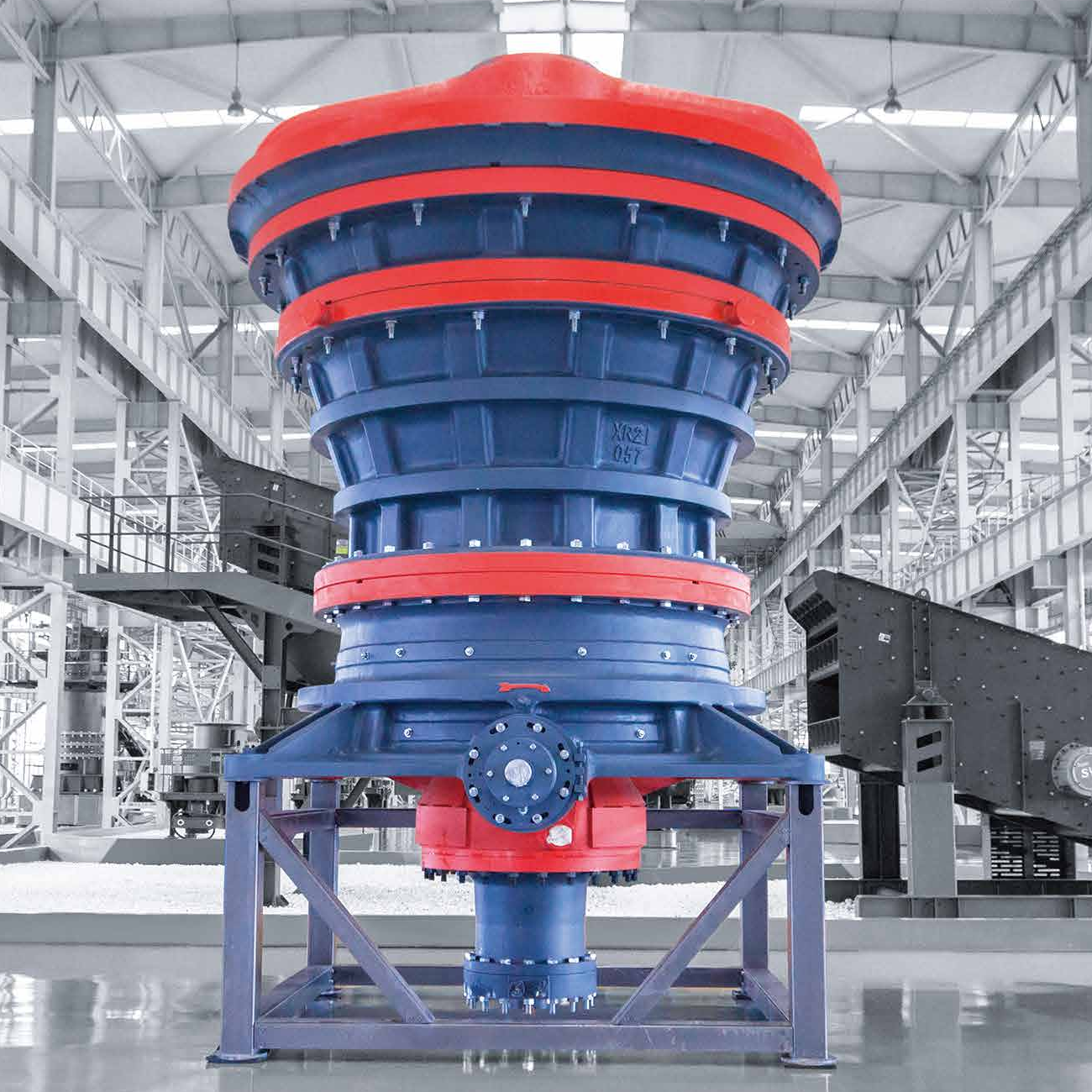
HGT Series Gyratory Crusher
Negotiable
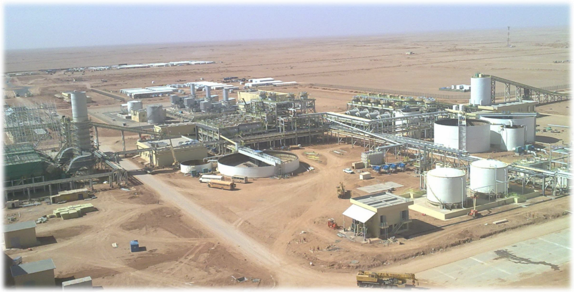
Saudi Arabia Umm Wu'al Phosphate Ore Beneficiation Plant Project
Negotiable
Petrochemical products
Negotiable