OpenAI Discloses Details of Pentagon Collaboration, Emphasizes Security Safeguards
OpenAI Reaches Classified Deployment Agreement with Pentagon, Sets "Red Lines" Prohibiting Autonomous Weapons and Mass Surveillance
Following the breakdown of negotiations between Anthropic and the Pentagon, OpenAI swiftly announced that it had reached an agreement to deploy its AI models in classified environments. OpenAI CEO Sam Altman stated that the company has also established clear red lines for technology use, including prohibitions on mass domestic surveillance and autonomous weapons systems.
Security Safeguards: Multi-layered Mechanisms Ensure "Red Lines" are Upheld
OpenAI published a blog post detailing its security safeguarding approach. The post notes that OpenAI models cannot be used for mass domestic surveillance, autonomous weapons systems, or high-risk automated decision-making. Unlike many AI companies that rely on usage policies, OpenAI protects these red lines through a multi-layered approach.
The blog post stated: "We retain full autonomy over the security stack, deploy via the cloud with reviewed OpenAI personnel involved, and we have strong contractual protections. This is all in addition to the strong protections of existing U.S. law." OpenAI said it does not know why Anthropic failed to reach a similar agreement but hopes more labs will consider this model of collaboration.
Response to Controversy: Deployment Architecture More Important Than Contract Language
Techdirt's Mike Masnick questioned the agreement, claiming it "absolutely allows domestic surveillance" because it adheres to Executive Order 12333. Masnick described the order as permitting the capture of communications via intercepting lines outside the US, even if they involve information about U.S. persons.
Katrina Mulligan, OpenAI's Head of National Security Partnerships, responded on LinkedIn: "Deployment architecture is more important than contract language... By limiting our deployment to the cloud API, we can ensure our models cannot be directly integrated into weapons systems, sensors, or other operational hardware." This statement sought to clarify that OpenAI upholds its red lines through technical architecture, not just textual promises.
Altman: Agreement May Promote "Detente" Between Industry and Defense Department
Altman responded on X to criticism about the agreement being rushed, acknowledging that it led to significant backlash against OpenAI. He said: "We really wanted to de-escalate, and we think the agreement offered is a good one. If we're right, and this does lead to a detente between the War Department and the industry, we will look like geniuses. If not, we will continue to be described as hasty and imprudent."
As OpenAI takes the lead into the realm of classified deployment, the collaboration model between the AI industry and the defense sector is entering a new phase of bargaining and exploration.
Related Products


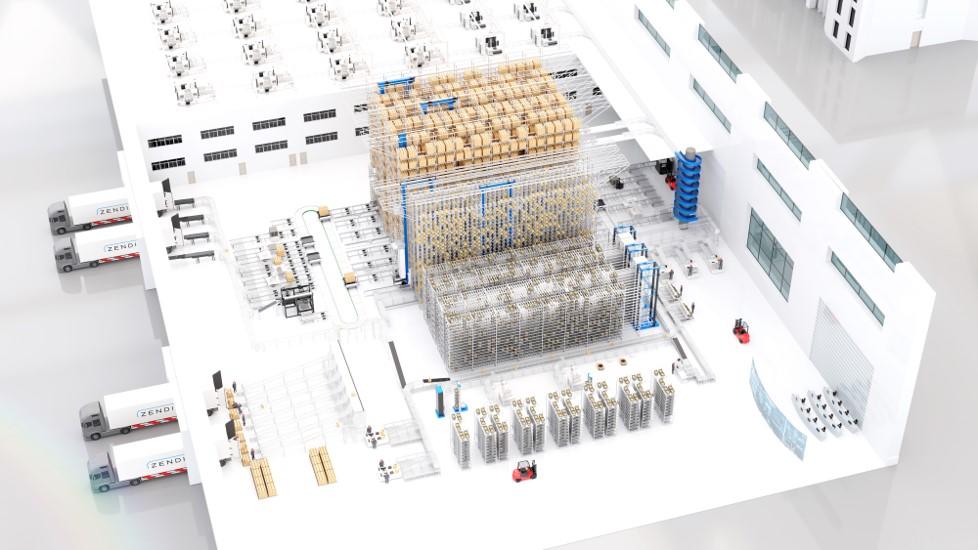
One-Stop Steward Service for the Entire Logistics System Integration Chain
Zhongding Intelligent (Wuxi) Technology Co., Ltd.





GYTA Type Non-Self-Supporting Aerial/Duct Optical Cable
TONGDING INTERCONNECTION INFORMATION CO., LTD.
Multi-function Marine Monitoring Low-altitude Detection Radar Sea-air Boundary Ocean Dynamic Environment Measurement
Chengdu Dixin Technology Co., Ltd.
20 Inch 1600*900 Full HD 60Hz TFT LED Monitor with VGA and DP Interfaces for Desktop Computers-Business Use
Guangzhou Zanying Optoelectronics Technology Co., Ltd.