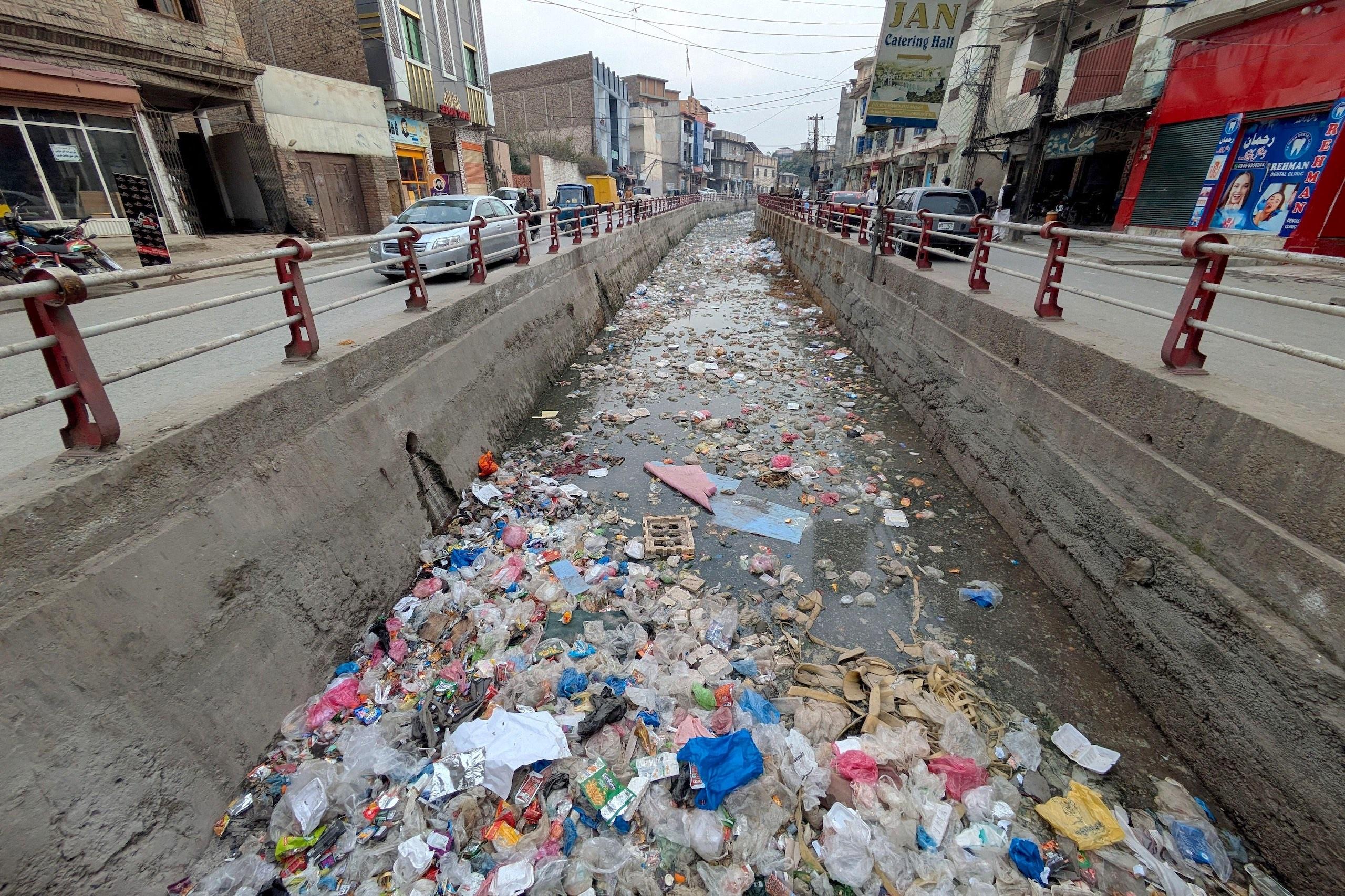
Wedoany.com Report on Mar 4th, Pakistan faces a severe plastic waste problem, generating approximately 2 million tons of plastic waste annually, with only 15-18% being recycled. Without intervention, plastic waste is projected to increase to 12 million tons by 2040. This waste exacerbates urban flooding, pollutes the environment, and has prompted the country to explore reforms in plastic waste management.
In 2025, the CoRE Alliance, comprising food and beverage companies, NGOs, recyclers, and packaging firms, along with government representatives, called for the establishment of a national framework to implement "Extended Producer Responsibility" (EPR). This framework aims to shift the cost of packaging waste from consumers to producers to improve plastic waste management. Hussain Ali Talib, Head of Communications at Unilever Pakistan, stated: "The goal is simple: better plastic management today for lasting circularity tomorrow."
However, experts point out that any EPR framework must include the 200,000 to over 333,000 workers in Pakistan's informal waste sector. Dr. Aisha Khan, CEO of the Akhtar Hameed Khan Foundation, emphasized that waste pickers and recyclers handle about 40% of the waste and are "frontline partners." She said: "EPR cannot succeed without acknowledging this invisible force." For example, in Karachi, an estimated 40,000 waste pickers recycle 500-1,000 tons of waste daily, but they work under unsafe conditions, lacking protective gear and social security.
Pakistan's plastic waste management reform faces the challenge of integrating the informal sector. The informal economy accounts for 59% of the country's GDP, and many waste pickers rely on remaining informal to sustain their livelihoods. Zia Nachi, CEO of SPEL, noted that gaining support from "local peers" is the biggest challenge, and the cost of waste cleanup may fall on the formal sector. Waqar Ahmed, CEO of the CoRE Alliance, stated that EPR implementation needs to be pragmatic and phased, starting at 10% and gradually expanding.
The experience of neighboring India provides a reference for Pakistan. India adopted an EPR framework in 2020, but weak enforcement has led to many companies failing to meet targets. Dharamshah Shah, Senior Campaigner at the Center for International Environmental Law, pointed out a gap between policy and implementation, suggesting EPR should focus more on product redesign. In Pakistan, informal recyclers, such as child laborers in Karachi, are not included in official programs, yet their labor is crucial for waste cleanup. Plastic waste management reform must balance the EPR framework with the participation of the informal sector to achieve an effective circular economy.