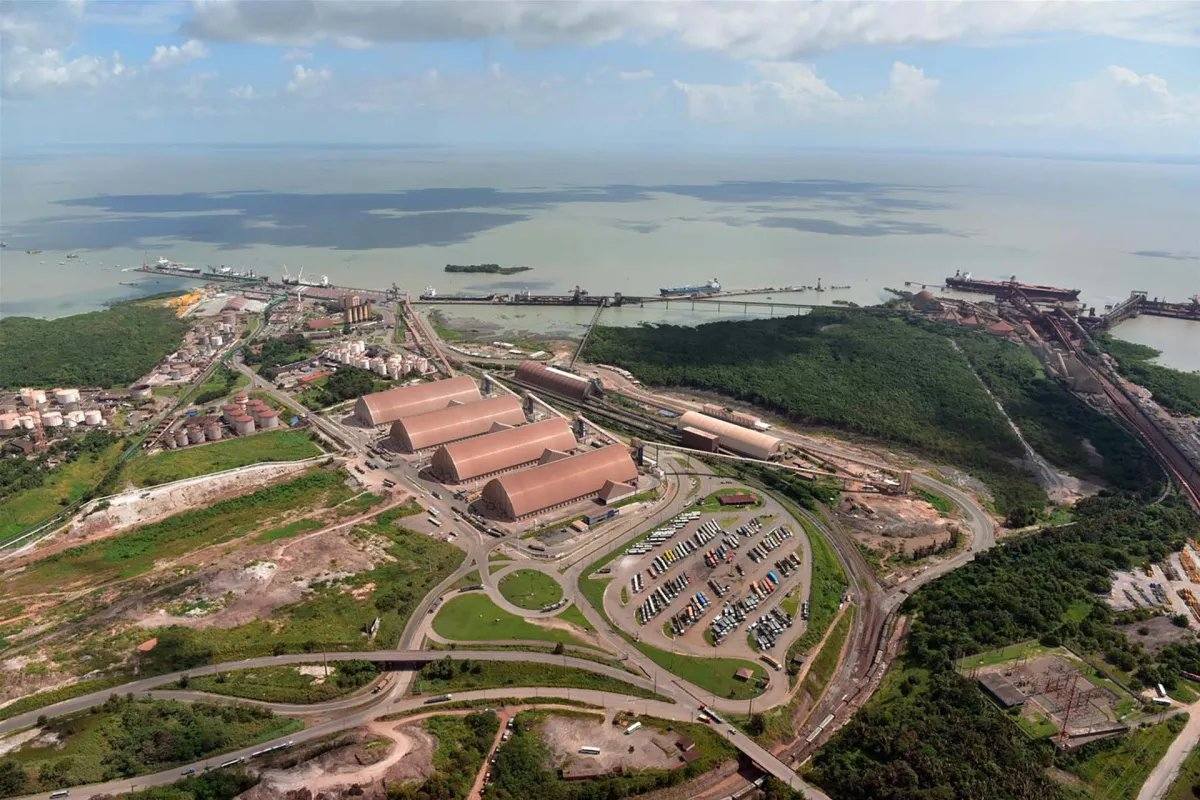
WBCT at the Port of Los Angeles Adopts Propane Fuel for Efficient and Sustainable Operations
Ports, as crucial nodes in global trade, handle vast quantities of goods daily. The West Basin Container Terminal (WBCT) at the Port of Los Angeles, USA, has chosen propane as its primary fuel to enhance operational efficiency and promote sustainable development.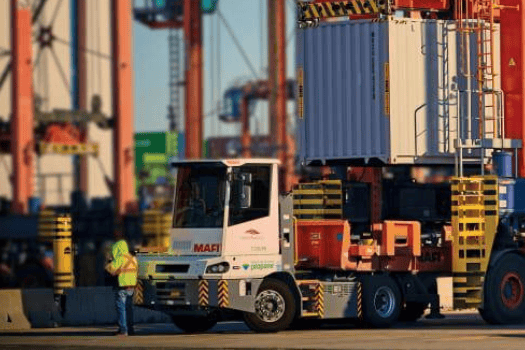
WBCT handles approximately 1.5 million TEUs annually, relying on a large fleet including 225 yard tractors for high-throughput operations. Over two decades ago, the terminal decided to switch from diesel to propane, becoming the first fully converted container terminal in the United States. Willy Won, Engineering Director at Ports America, stated: "We were the first container terminal in the U.S. to fully convert our yard tractor fleet to propane over 20 years ago. This decision stemmed from our commitment to reducing emissions while maintaining operational performance and cost-effectiveness."
California's stringent emissions regulations prompted WBCT to adopt clean energy. The terminal uses ultra-low NOx propane engines certified by the EPA and CARB, which reduce nitrogen oxide emissions by up to 96% compared to diesel, significantly improving air quality. Won noted: "The ultra-low NOx propane engines truly meet our duty cycles while also helping us achieve our emissions reduction goals. The equipment performance is the same, but now it's cleaner."
In terms of cost, propane demonstrates clear advantages. In 2024, WBCT's average propane price was $1.66 per gallon, less than half the diesel price of $3.44 per gallon. Combined with federal tax credits and reduced maintenance needs, this further enhances cost-effectiveness. Propane's rapid refueling capability also reduces downtime. Won explained: "When a propane-powered vehicle runs out of fuel, it takes about 10 minutes to refill and get back to work. In contrast, electric equipment might need to be out of service for multiple shifts waiting to recharge."
WBCT's propane solution is scalable. The terminal's tractors use PSI 8.8-liter engines, delivering 270 horsepower and 565 lb-ft of torque. On-site storage capacity exceeds 100,000 gallons, supporting future demand. Won affirmed: "The reliability and performance we've experienced with propane, coupled with the ongoing improvements in ultra-low emissions engine technology, make it a compelling choice not just for today, but for many years to come." This case demonstrates propane as a high-performance solution for modern ports, helping achieve clean operations without sacrificing reliability.
Related Products



CLW5180TXSD6 Dongfeng Tianjin Washing and Sweeping Truck
ChengLi Special Automobile Co., Ltd.

Industrial and Commercial Point-Type Gas Detector
Jinan Benan Technology Development Co., Ltd.![IVECO Cash-in-Transit [DMT5048XYCL3-AM] - Chongqing Dima Industry Co., Ltd](https://img.wedoany.com/2026/0911/20260911030157582.png)
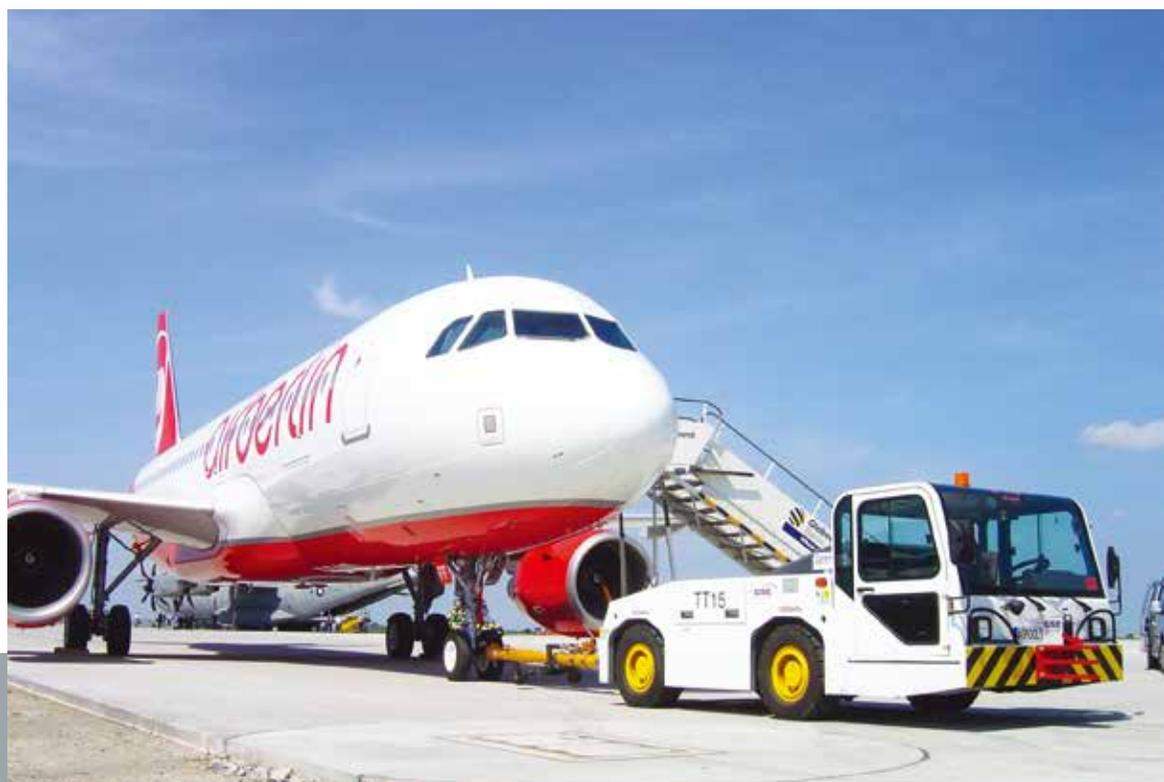
WGQY Series Aircraft Tow Tractor-WGQY15, WGQY27
Weihai Guangtai Airport Equipment Co., Ltd.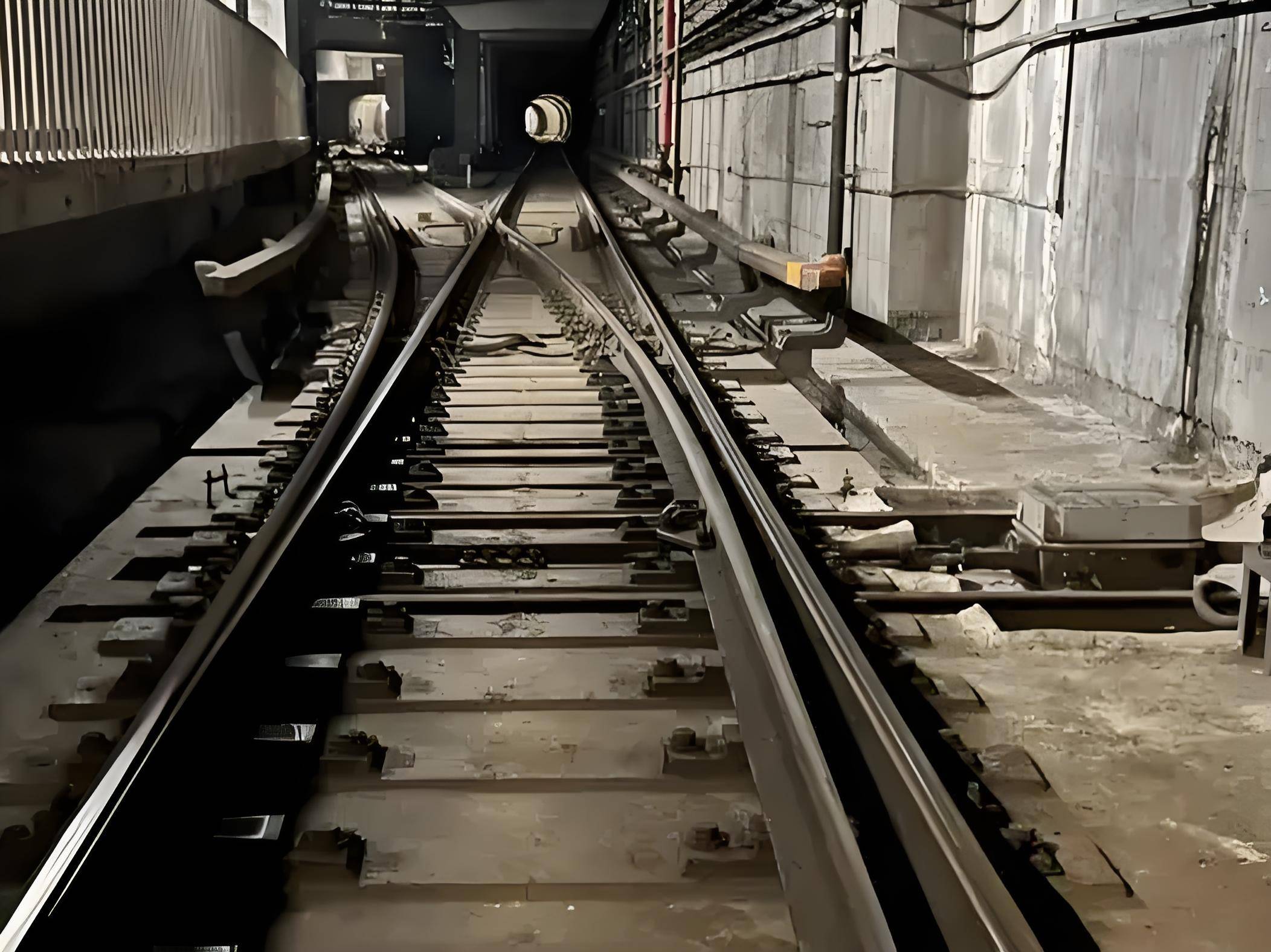


Pantograph-Catenary Comprehensive Detection Device (1C)
CHENGDU TANGYUAN ELECTRIC CO., LTD.