U.S. Senate Advances NASA Authorization Bill, Adjusts Moon Plan and Extends Space Station Lifespan
Washington, D.C. – The U.S. Senate Commerce Committee approved a revised NASA authorization bill via voice vote on March 4. The bill supports NASA in making adjustments to its Artemis lunar exploration program while extending the operational lifespan of the International Space Station (ISS) until the end of 2032. 
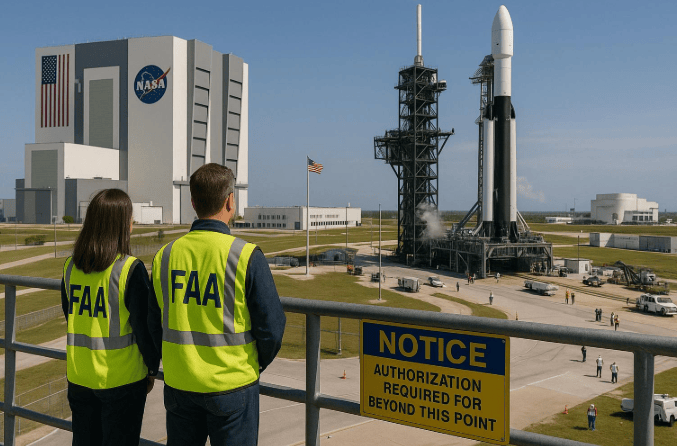
NASA Administrator Jared Isaacman announced changes to the Artemis program during a briefing on February 27, including halting the upgrade to the Block 1B version of the Space Launch System (SLS) and instead focusing on a "near Block 1" version. Committee Chairman, Republican Senator Ted Cruz of Texas, stated, "Today, the Commerce Committee will help guide these changes by passing the NASA authorization bill." The bill requires NASA to provide briefings on increasing the SLS flight rate and to explore alternative technologies.
Another part of the bill authorizes NASA to establish a permanent base on the lunar surface to advance scientific and strategic interests. This is based on a White House executive order from last December, which directed NASA to establish the initial elements of a lunar outpost by 2030. The bill sets overarching goals for base development but provides few specifics on its composition or timeline. Meanwhile, the bill makes minimal mention of the Lunar Gateway project, only requiring NASA to provide a related briefing within 60 days of the bill's enactment.
The ISS lifespan is extended from the end of 2030 to the end of 2032. The bill notes that the extension is due to delays in the Commercial Low-Earth Orbit Destination (CLD) program. It states, "NASA has repeatedly delayed issuing requests for proposals, creating uncertainty for commercial providers in their planning." It directs NASA to maintain the space station's operational levels and not to begin deorbiting until at least one commercial successor is operational. The bill also requires NASA to select at least two companies for the CLD program.
Regarding the Mars Sample Return (MSR) program, the bill directs the termination of early efforts and the creation of a new program with a cost cap of $8 billion. It requires the use of existing technologies and limits international cooperation. NASA must submit the new plan within 120 days of the bill's enactment. The bill also calls for studies on Mars mission concepts launched by commercial heavy-lift rockets, including sending human tissue to study environmental effects.
The bill approved by the committee does not include a provision that would have restricted commercial launch contracts, which had proposed limiting a single company from receiving more than 50% of the value of NASA's launch contracts. Former NASA Administrator Jim Bridenstine had publicly supported this clause, arguing it would strengthen competition. However, the final bill supports a competitive market, only requiring NASA to provide briefings on procuring commercial launch services.
Related Products


Pantograph-Catenary Comprehensive Detection Device (1C)
CHENGDU TANGYUAN ELECTRIC CO., LTD.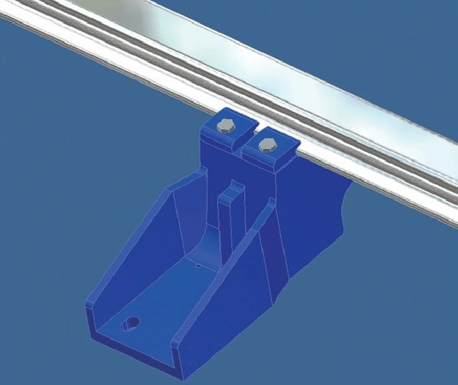


3m intelligent buoy combining navigation safety and real-time marine monitoring integrated navigation and marine monitoring system for real-time maritime data
Chengdu Dixin Technology Co., Ltd.
China - Alashankou/Khorgos - Europe Full Range Transportation (Mala/Hamburg/Duisburg/Budapest, etc.)
Shenzhen Neptune Logistics Co., Ltd.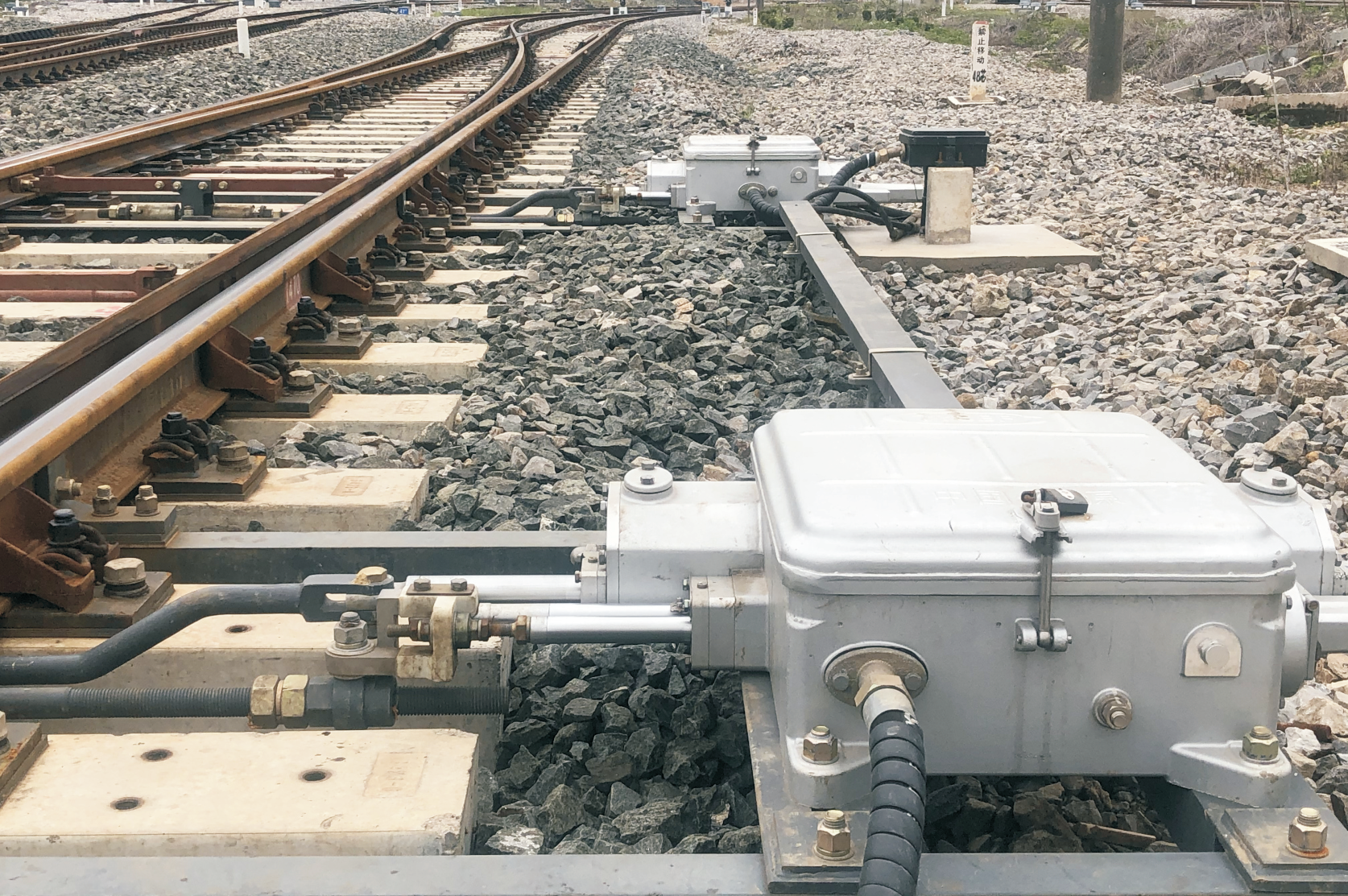
ZY(J)7(M) Sealed Type Electro-Hydraulic Turnout Machine
TAIYUAN CR JINGFENG EQUIPMENT TECHNOLOGY CO., LTD.

"Shunyi 1600" Deep-submerging Bottom-sitting Multi-functional Wind Power Engineering Vessel
Zhengli Offshore Engineering Co., Ltd.
One-Stop Steward Service for the Entire Logistics System Integration Chain
Zhongding Intelligent (Wuxi) Technology Co., Ltd.