Guangdong, China to Build World's First Megawatt-Level Accelerator-Driven Nuclear Reactor by 2027
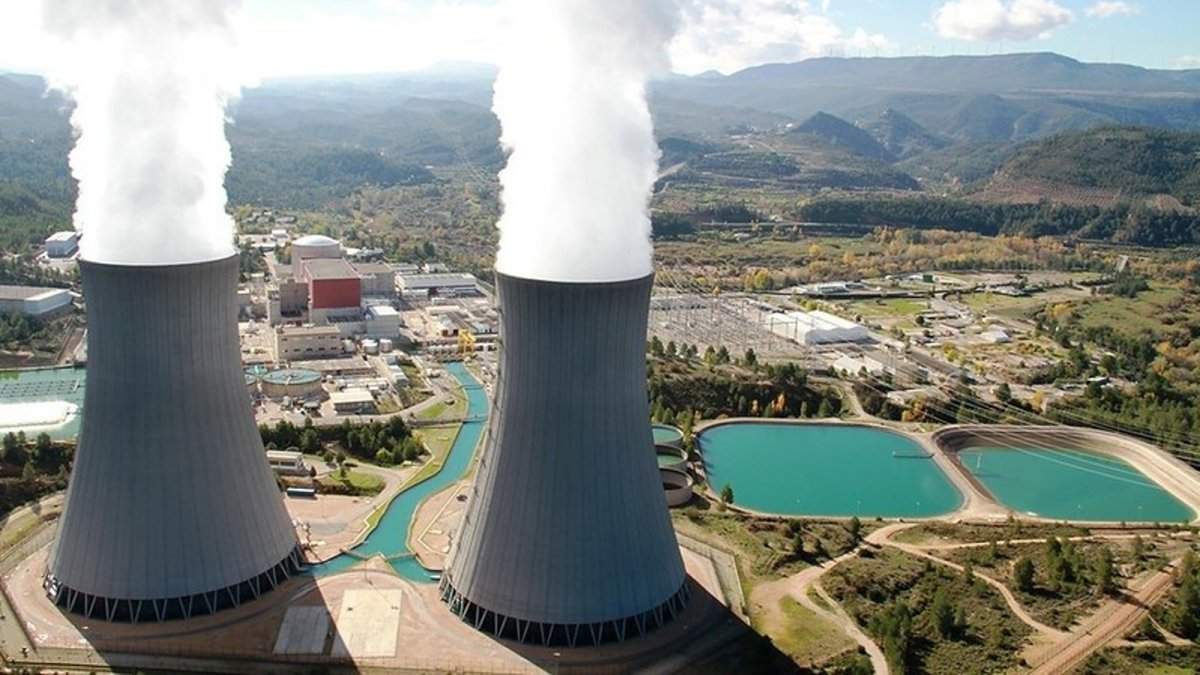
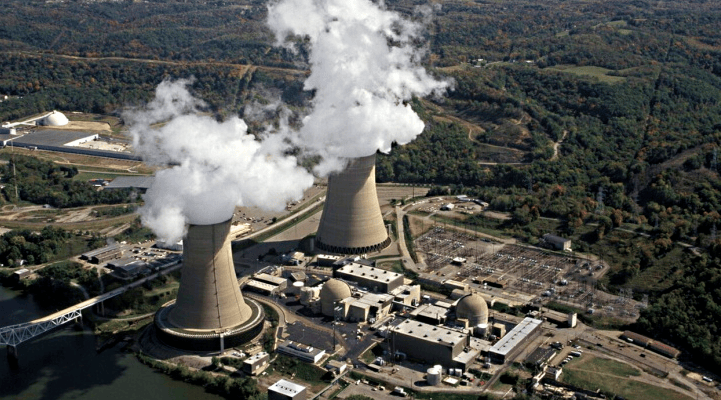
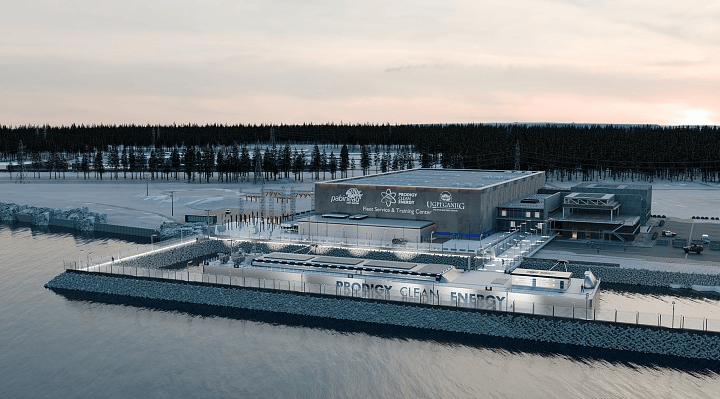
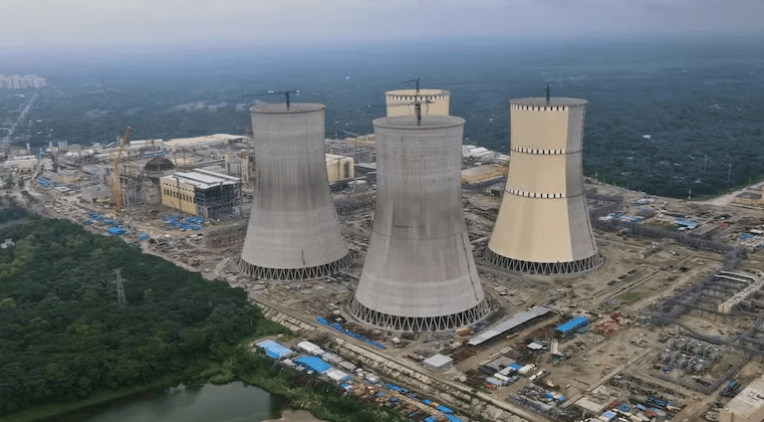
Wedoany.com Report on Mar 7th, The Chinese Academy of Sciences has initiated the installation of a superconducting particle accelerator in Guangdong Province. The megawatt-level Accelerator-Driven Subcritical System (ADS) is expected to become operational in 2027, making it the world's first waste-burning reactor, which will enhance nuclear energy safety and waste processing efficiency.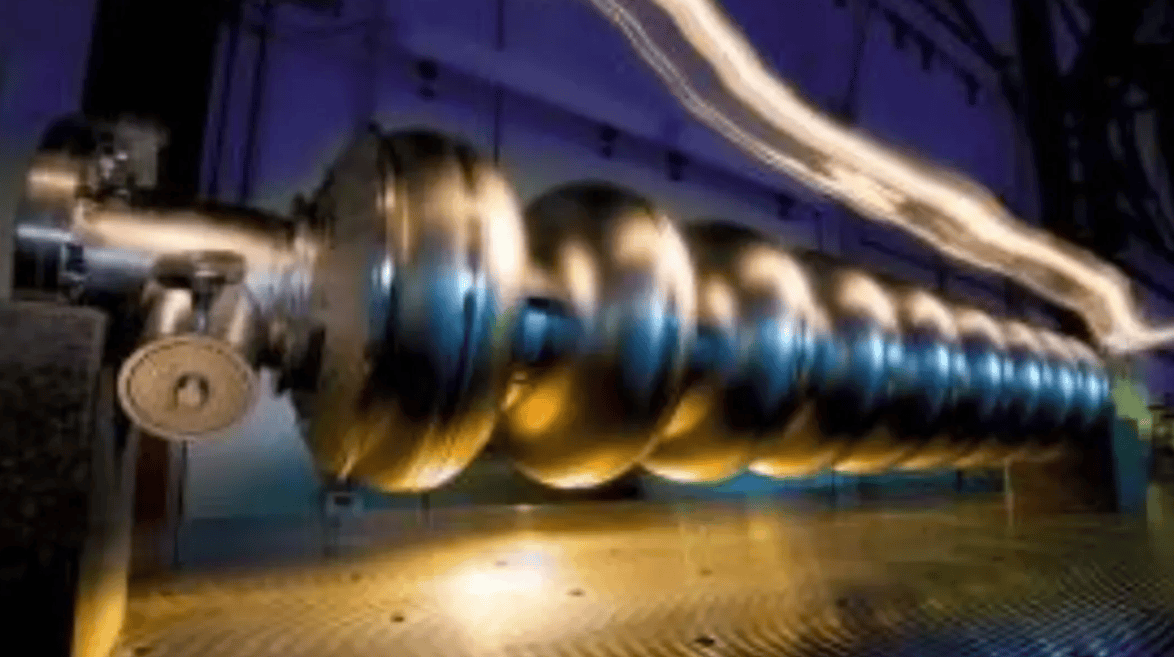
The system is designed to burn uranium with an efficiency 100 times higher than traditional reactors. It will convert long-lived radioactive waste into short-lived isotopes, reducing the lifespan of nuclear waste to less than one-thousandth of its original duration. This holds the potential to provide stable, clean energy to meet long-term future demands.
The Accelerator-Driven Subcritical System (ADS) combines a nuclear reactor with a particle accelerator. It sustains the reaction through external neutron input. A superconducting accelerator emits a proton beam to bombard a liquid lead-bismuth alloy, generating a neutron flow. This process converts uranium-238 into plutonium-239 fuel while reducing the risk of runaway meltdown.
He Yuan told Science and Technology Daily: "This is internationally recognized as an ideal method for nuclear fuel breeding and waste treatment. It will transform nuclear power into a green, safe, and stable energy source."
China has been researching Accelerator-Driven Subcritical Systems (ADS) since 2011. A prototype reached industrial-grade intensity in 2021. The installation of the key superconducting accelerator is expected to be completed by the end of 2026, advancing the global transition towards a closed nuclear fuel cycle.
International efforts, such as the project at the U.S. Thomas Jefferson National Accelerator Facility, are also advancing ADS technology. By utilizing the spallation process, it aims to reduce the radioactive lifespan of spent nuclear fuel from approximately 100,000 years to about 300 years, supporting the development of carbon-free electricity.
Related Products

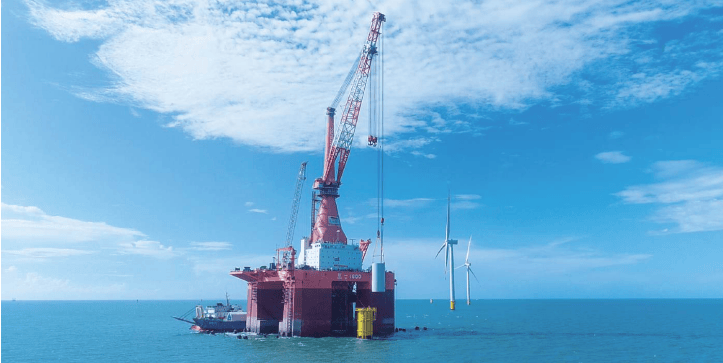
"Shunyi 1600" Deep-submerging Bottom-sitting Multi-functional Wind Power Engineering Vessel
Zhengli Offshore Engineering Co., Ltd.
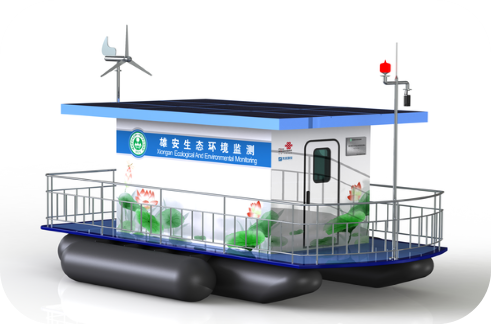
Floating Boat Water Quality Automatic Monitoring System
Hebei Sailhero Environmental Protection High-tech Co., Ltd.
Microcomputer Protection and Substation Automation
Beijing Agent Devote Power Technology Development Co., Ltd.
CAP1400 main feedwater flow nozzle flowmeter.
Jiangsu Hongda Instrument Technology Co., LTD.
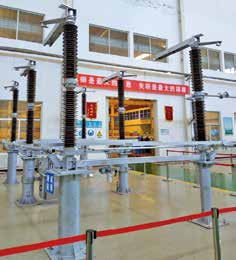
GW4-40.5/72.5/126/145/170/252/363/420 Series Double-column Horizontal Rotary High-voltage AC Disconnect Switch
SHANDONG TAIKAI DISCONNECTORS CO., LTD.