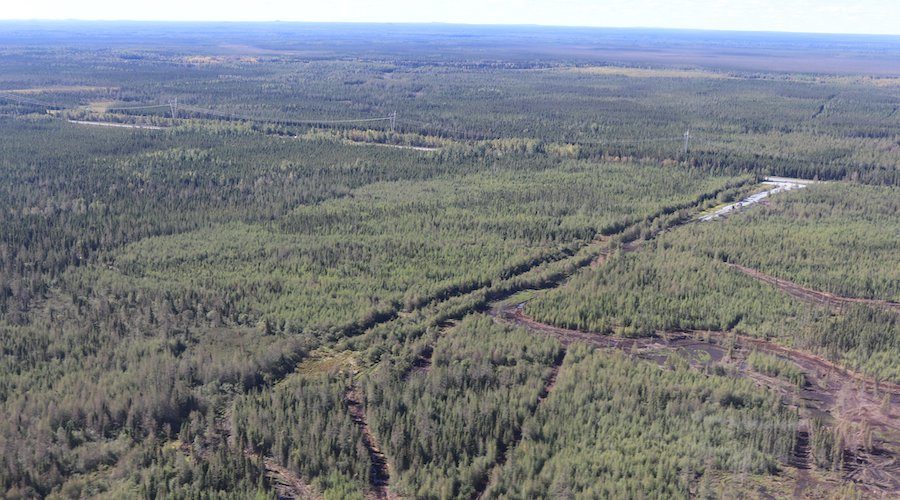
OX2, Södra, and TES Advance e-NG Project to Pre-FEED Stage in Varberg, Sweden
Wedoany.com Report on Mar 10th, OX2, Södra, and TES have announced the advancement of the e-NG (electric natural gas) facility project on the Värö peninsula in Varberg, Sweden, to the pre-front-end engineering design (pre-FEED) stage. This decision is based on the Letter of Intent signed in January 2025 and the completed technical and commercial feasibility studies.
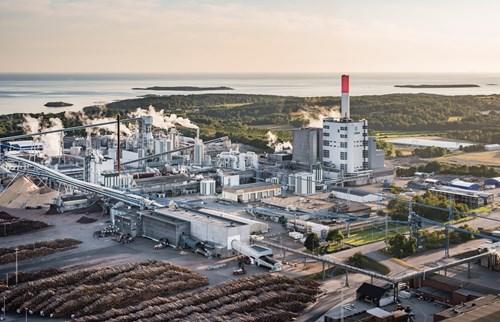
Sweden relies on imported fossil natural gas and biogas, primarily supplied via pipeline from Denmark for the chemical and industrial sectors. The Värö e-NG project aims to support Sweden's energy transition, enhancing energy security and resilience.
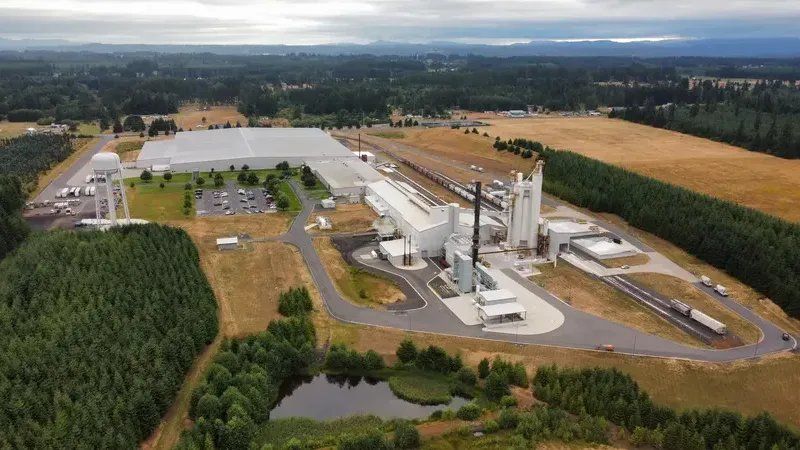
The e-NG facility is designed for an annual production capacity of 1.2 TWh. It will be produced by capturing biogenic carbon dioxide from Södra's pulp mill and combining it with hydrogen produced from renewable electricity. This output could significantly increase the share of fossil-free gas in Sweden's gas grid, more than quadrupling domestic production.
The one-year pre-FEED phase is supported by approximately SEK 16.8 million (€1.6 million) in funding from the Swedish Energy Agency's "Industrial Leap" program for industrial decarbonization, covering about 50% of the costs. This funding originates from the EU Recovery and Resilience Facility and the NextGenerationEU program.
During this phase, the partners will refine the technical design, evaluate integration options with the existing pulp mill, secure grid connection, and advance permitting processes and commercial agreements. Södra will supply biogenic CO₂, OX2 is responsible for renewable energy development, and TES contributes e-NG production technology and market expertise.
e-NG, as a fossil-free fuel, is chemically identical to fossil natural gas and can be used directly in existing infrastructure. It is suitable for maritime fuel, chemical feedstocks, and industrial processes. The project has already secured framework agreements for the purchase of most of its output with major energy companies. It is expected to become operational in the early 2030s, aligning with the implementation of the EU RED III RFNBO obligations. The decision to proceed further will be based on the outcomes of this phase.
Related Products


CAP1400 main feedwater flow nozzle flowmeter.
Jiangsu Hongda Instrument Technology Co., LTD.
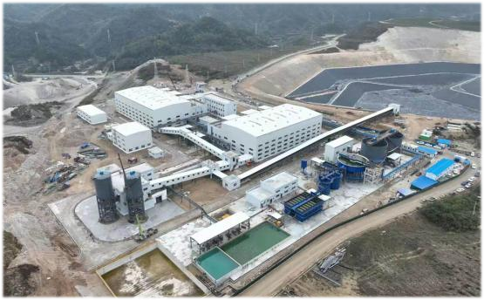
Yingping Mining Section Open-pit Tailings Backfill Treatment of Goaf Ecological Restoration EPC Project
China Bluestar Lehigh Engineering Corporation
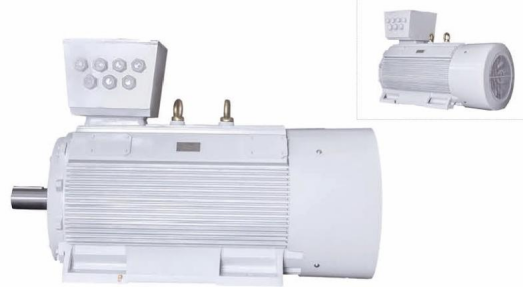
YE3 Series Low Voltage High Power Three-Phase Asynchronous Motor
Shandong Lijiu Electrical Machinery Co., Ltd.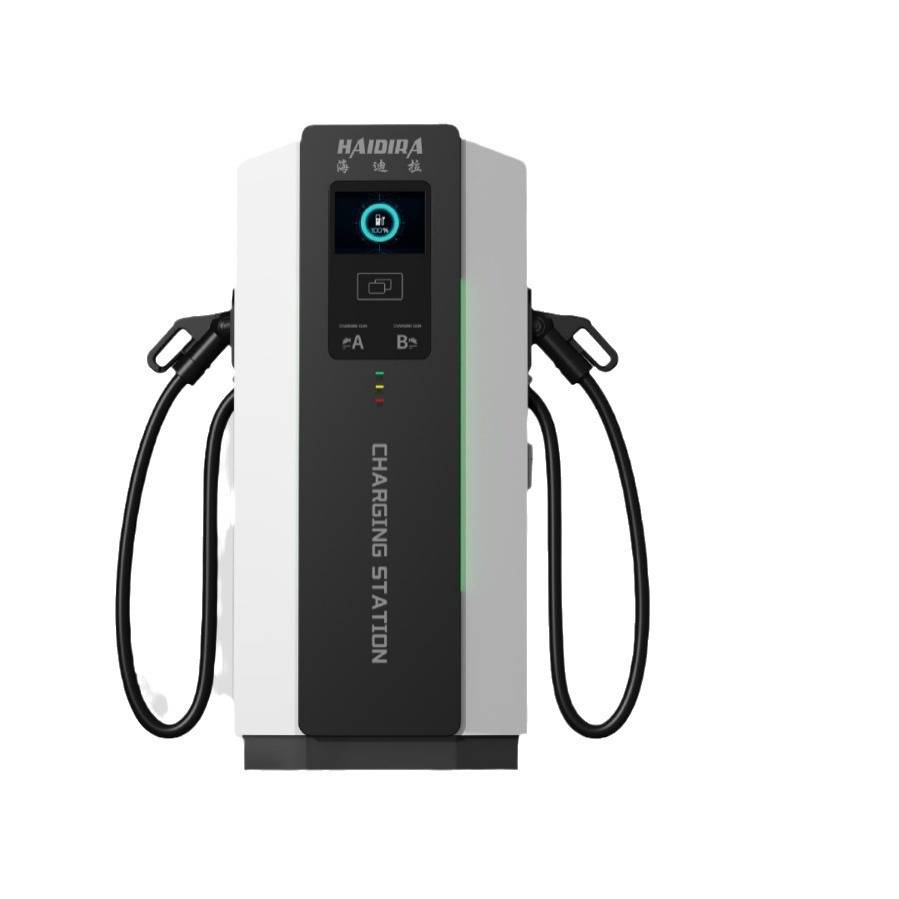
Manufacturer Direct Sales Tesla New Energy Electric Vehicle Universal DC 180kW Dual-gun Charging Pile Commercial Fast Charger
Anhui Haidira Electric Technology Co., Ltd.
Perfluorinated Ionic Membrane-CM-10N Series Membrane
Guizhou Juneng Century Technology Co., Ltd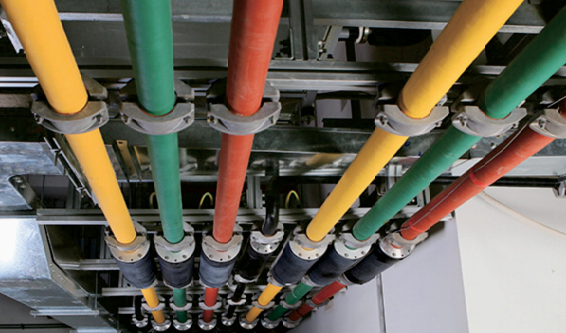
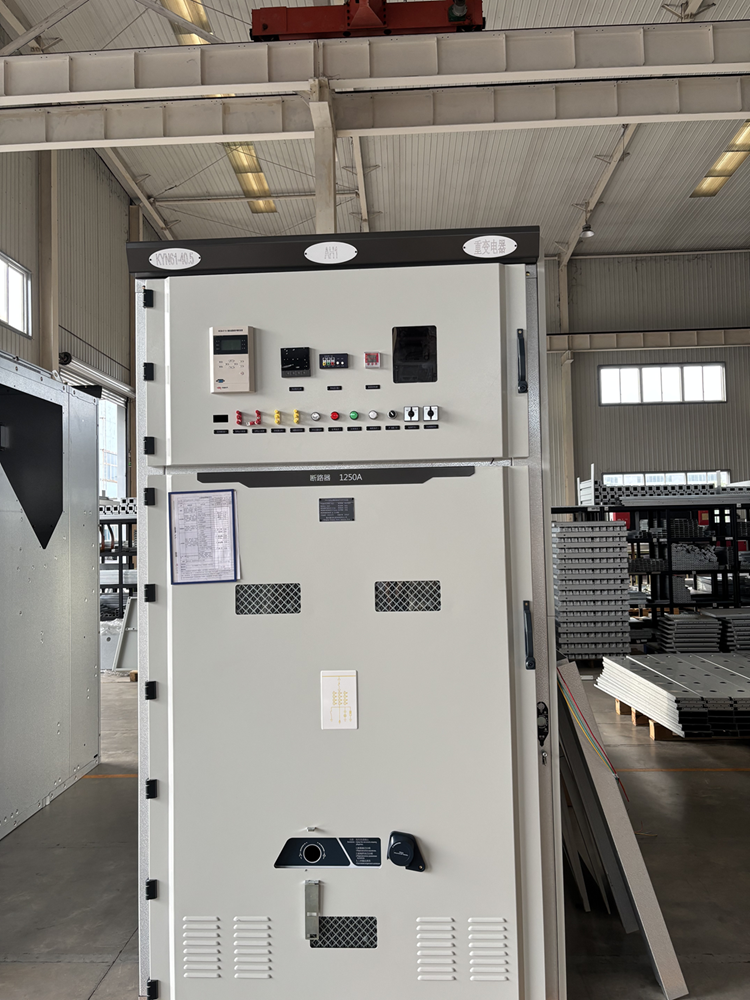
KYN61-40.5 Indoor AC Metal-clad Removable Switchgear
Chongqing Transformer Co., Ltd.