Wedoany.com Report on Mar 11th, Ondo State in southwestern Nigeria is facing issues of surface bitumen seepage, which not only reveals its abundant hydrocarbon resources but also brings significant environmental and socio-economic impacts.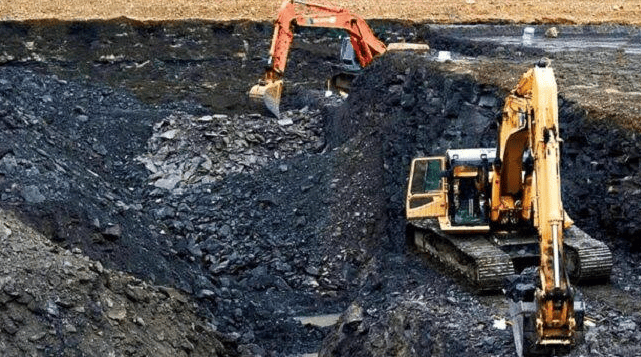
Natural bitumen, a dense semi-solid form of petroleum, is found in considerable reserves in Ondo, Ogun, Lagos, and Edo states. Ondo State alone holds the world's second-largest bitumen reserves, with estimated in-situ deposits of 42.47 billion tons, valued at approximately $17 trillion.
However, local communities have long been socio-economically marginalized and suffer from environmental degradation, deriving limited benefits from bitumen exploration and extraction. Seepage phenomena are particularly evident in southern Ondo State, affecting areas such as Ode-Irele, Agbabu, Ludasa, and Idioloja. The migration of hydrocarbons through cracks and sand layers leads to soil contamination, reduced fertility, and damage to agricultural production.
Studies indicate that heavy metals such as lead, cadmium, chromium, nickel, copper, zinc, iron, manganese, and arsenic in the soil and water sources of affected areas exceed national safety standards. For instance, lead concentrations at exploration sites have reached 290 mg/kg, posing a threat to human health and potentially contaminating the food chain.
The detection of polycyclic aromatic hydrocarbons (PAHs) and total petroleum hydrocarbons (TPH) in soil and water further highlights the genotoxic and carcinogenic risks associated with bitumen pollution. Hydrologically, bitumen films form on stream surfaces after rainfall, reducing oxygen exchange, inhibiting aquatic life, and impairing the self-purification capacity of water.
Socio-economic data show that residents in affected communities have a daily income of about $0.67, which is only 31% of the World Bank's extreme poverty line, demonstrating a classic "resource curse" phenomenon. Increased soil bulk density and decreased hydraulic conductivity hinder crop growth, while the accumulation of heavy metals in plants poses dietary exposure risks for the local population.
Inadequate regulation exacerbates these challenges. The Environmental Impact Assessment Act and the National Environmental Standards and Regulations Enforcement Agency Act have structural deficiencies, allowing exploration activities to proceed without mandatory baseline studies, community consultation, or effective remediation obligations.
Currently, BCE Greensands Nigeria Limited is the only active mining company. Despite years of exploration, local residents have yet to gain sustainable economic benefits. Uncontrolled bitumen seepage, environmental pollution, and persistent poverty underscore the urgent need for evidence-based interventions in Ondo State to protect ecosystems and community livelihoods.
Without comprehensive regulatory reform and inclusive resource management, the region may face multiple crises of environmental injustice and socio-economic marginalization.