Sudan's Irrigation System Collapses, Farmers Turn to Solar Water Pumps
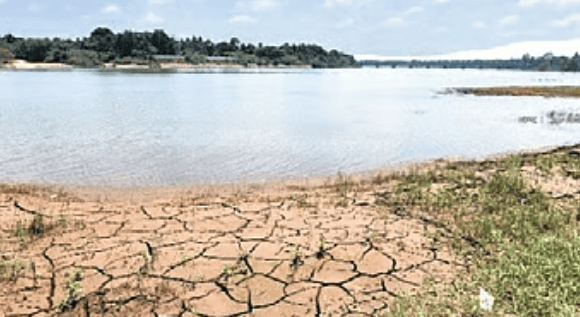
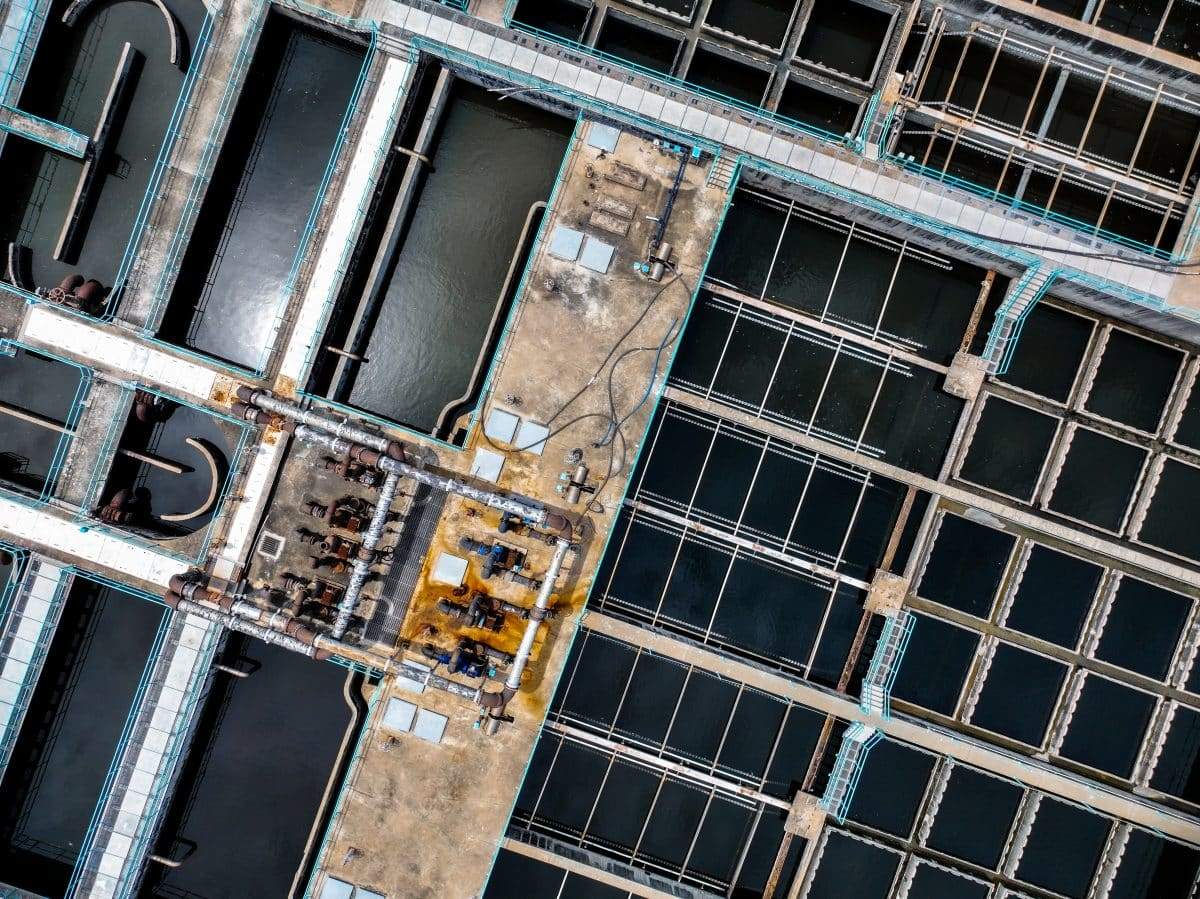
en.Wedoany.com Report on Mar 21st, Sudan's Gezira Irrigation Scheme faces a severe crisis, with thousands of farmers at risk of bankruptcy due to water shortages. Covering nearly 890,000 hectares, the scheme relies on the Sennar Dam for water supply. However, since its privatization in 2005, a vacuum in maintenance and oversight has led to the system's gradual collapse. Irrigation engineer Abdullah Al-Hajj said, "The problem today is not only water scarcity but also the lack of a disciplined executive body to manage distribution as before."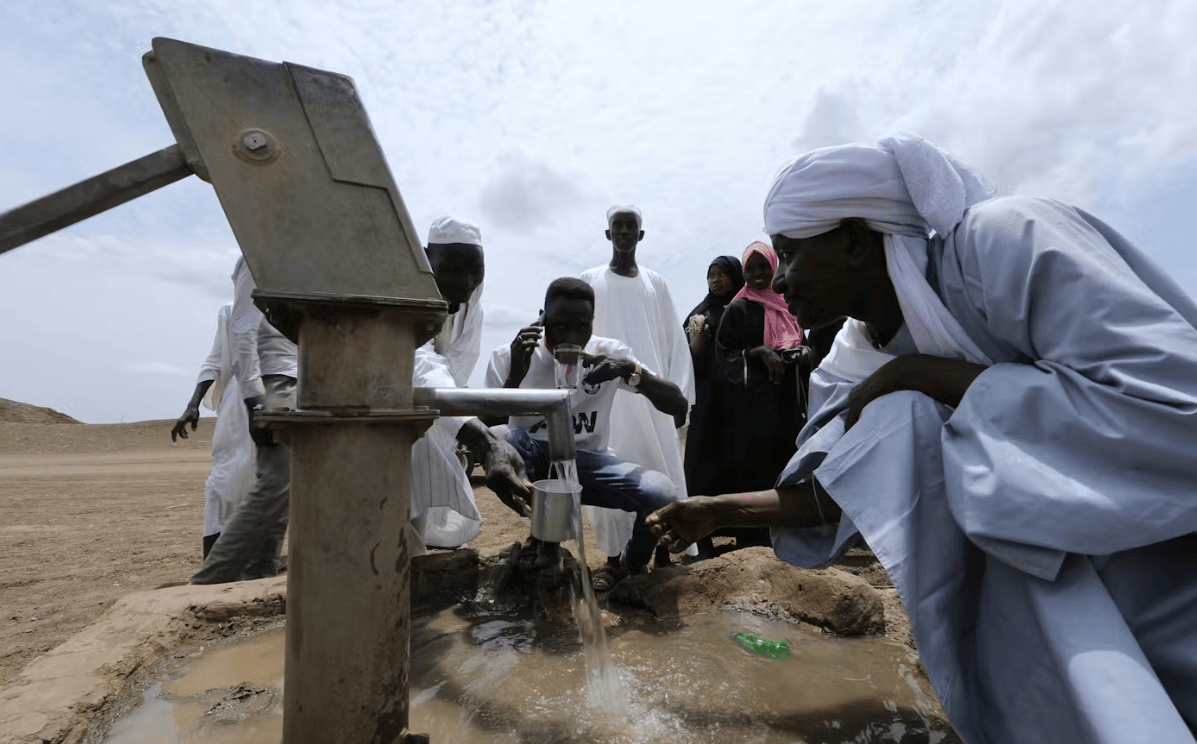
In the Managil section, 38-year-old farmer Mohamed Ahmed has not received irrigation water for over a year. He told Mongabay over the phone, "I waited for the water as usual, but nothing came. Two whole seasons were lost. I even considered abandoning farming and looking for work abroad." Ahmed is one of up to 4,000 local farmers facing bankruptcy.
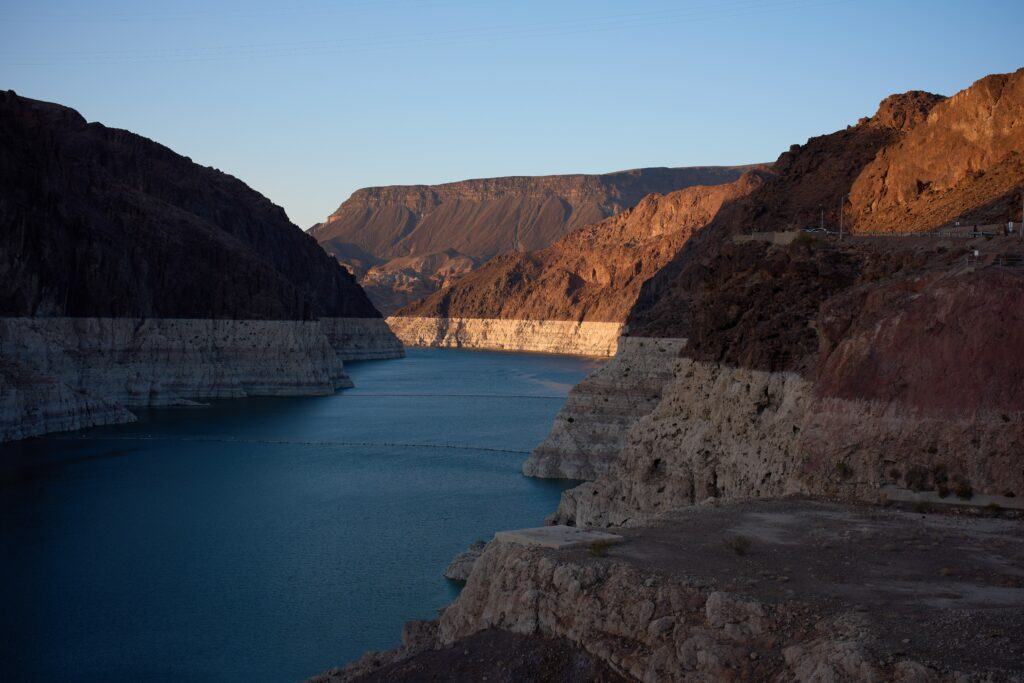
In recent years, droughts have caused water levels in the Sennar Dam to drop, exacerbating irrigation challenges. Some farmers have turned to private solutions like gasoline pumps, but soaring fuel prices pose new difficulties. In South Shendi, farmer Abdelhafeez Mohamed spent $17,900 to install a solar water pump to irrigate part of his land. He told Mongabay, "We were initially hesitant due to the high cost and the novelty of the experience. There was no other choice. We even took on responsibilities that previously belonged to the state."
As the irrigation system collapses, demand for solar water pumps has risen significantly. Mohamed Hajj of GSB Solar noted that demand began to increase in late 2021 and doubled after 2023, partly due to electricity supply issues caused by the civil war. He explained, "Most buyers don't ask about long-term returns. They repeat one sentence: 'We just want water so we don't lose another season.'"
However, the high cost of solar systems limits adoption by small-scale farmers. About three-quarters of the farmers in the Gezira Scheme cannot afford the upfront costs. They mainly grow staple crops like sorghum and wheat and still rely on the failing canal network. Ahmed said, "We are left to manage on our own. The government makes promises, but nothing happens." The irrigation crisis is not just about water; it is about farmers' survival and equity.
Related Products


714CD Series C-Band Weather Radar
Chengdu Zhongdian Jinjiang Information Industry Co., Ltd.
4HS-8 High-efficiency Peanut Inverted-laying Harvester
Hebei Yongfa Hongtian Agricultural Machinery Manufacturing Co., Ltd.
Industrial and Commercial Point-Type Gas Detector
Jinan Benan Technology Development Co., Ltd.