Tajikistan Local Government and China Electronics Technology Group Corporation Plan to Cooperate on Building a Photovoltaic Power Station
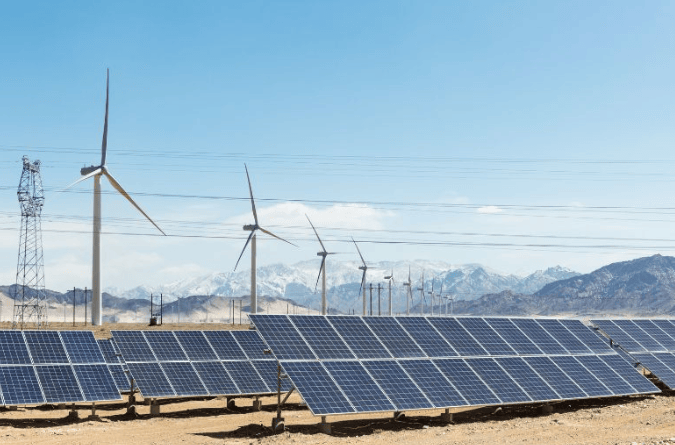
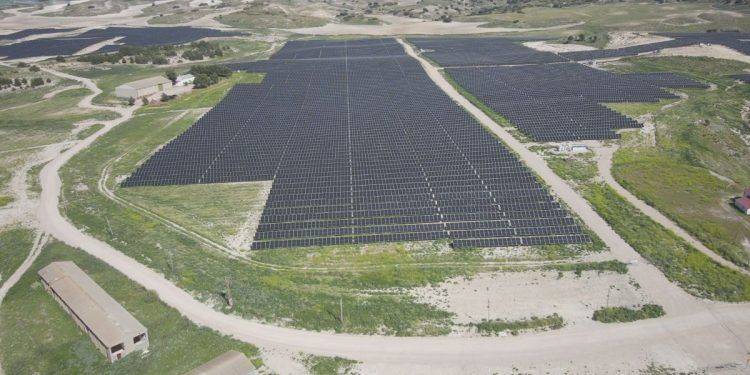
en.Wedoany.com Reported - On March 28, 2026, the government of Khatlon Province in southern Tajikistan held formal working talks with China Electronics Technology Group Corporation (CETC). Both sides engaged in in-depth discussions regarding cooperation to build a photovoltaic power station with a total installed capacity of 500MW. The advancement of this project marks another substantial step forward for Tajikistan on its path towards diversifying its energy structure.
According to Tajikistan's official news agency, the talks focused on the implementation framework and related cooperation matters for this large-scale energy project. Once completed, the project is expected to effectively alleviate local power supply pressures and help the country achieve its renewable energy targets.
Khatlon Province Chairman Davlatali Said participated in the meeting and noted: ensuring stable electricity supply for residents is one of the province's current important tasks. With population growth and increasing electricity demand, implementing new modernization projects in the energy sector is imperative. The Chinese representatives expressed willingness to expand cooperation, introduce investment and modern energy technologies, stating that their experience in large-scale energy projects will facilitate the smooth implementation of this project. Both sides also exchanged views on project implementation phases, expert introduction, local talent cultivation, and creating new job opportunities.
In fact, this is not Tajikistan's only recent attempt in the photovoltaic field. For a long time, this Central Asian mountainous country's power supply has heavily relied on hydropower, which accounts for about 98% of the national power mix. This single energy structure can ensure supply during the summer wet season, but every winter during the dry season, when river flows sharply decrease, power shortages become common. Some regions even have to implement power rationing measures, relying on imported electricity to fill the gap. Precisely because of this, developing renewable energy sources like solar and wind power is seen not only as an effective means to address seasonal power shortages but also as a national strategy for Tajikistan to ensure energy security and achieve a green transition.
From a policy perspective, Tajikistan has clearly accelerated its pace of new energy deployment in recent years. In November 2025, the government approved the "2026-2030 Energy Sector Development Plan," which explicitly sets the ambitious goal of adding at least 1.5GW of photovoltaic power generation capacity by 2030. At an earlier international conference, the country's Minister of Energy and Water Resources, Daler Juma, further revealed that Tajikistan plans to achieve a total installed capacity of 3GW for solar and wind power by 2030. To achieve this goal, the government has also introduced a series of supporting incentives. In December 2025, the Tajikistan parliament passed amendments to the tax law, stipulating that until 2031, the import and sale of solar panels and their supporting equipment (including inverters and energy storage devices) will be exempt from value-added tax. This undoubtedly creates a favorable policy environment for the implementation of renewable energy projects.
In terms of specific project advancement, Tajikistan is accelerating photovoltaic power station construction through multiple parallel approaches. In January 2026, the country signed a total investment agreement worth $250 million with investor Ayon Energy LLC to build two 250MW photovoltaic power stations in the Asht region of Sughd Province and the Jaihun region of Khatlon Province, respectively, with a combined capacity of 500MW. Notably, President Emomali Rahmon has personally issued instructions requiring these two stations to be completed and connected to the grid by August 2026. The setting of this deadline demonstrates the sense of urgency among Tajikistan's top leadership regarding the energy transition—before the next winter arrives, these new clean power sources will provide valuable support to the national grid.
Besides the participation of local enterprises, Tajikistan is also actively introducing international capital and technology. Almost simultaneously with the signing of the Ayon Energy agreement, the country's energy officials held talks with the UAE renewable energy giant Masdar during the Abu Dhabi Sustainability Week, discussing the construction of a 400MW solar power station.
Furthermore, cooperation between Chinese enterprises and Tajikistan in the new energy sector is becoming increasingly close: In October 2025, China's Egine Solar Technology Co., Ltd. signed a cooperation agreement with Khatlon Province for a 500MW photovoltaic project; China Wuhan Building Materials Industry Co., Ltd. also reached a cooperation intention for a similar-scale project in Sughd Province. The recent talks between Khatlon Province and China Electronics Technology Group Corporation (CETC) further confirm the active role of Chinese enterprises in Tajikistan's new energy market. According to previous reports, China Dayu New Energy Co., Ltd. also plans to develop a 500MW hybrid energy power station in the Jaihun region of Khatlon Province, which includes photovoltaic and wind power projects.
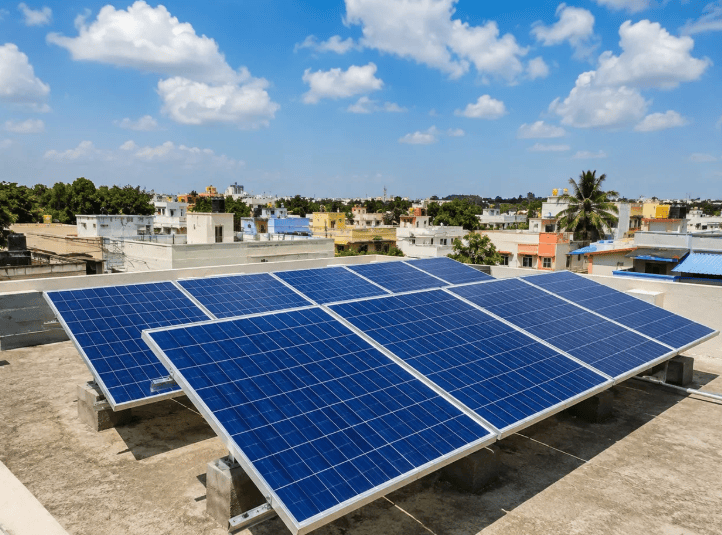
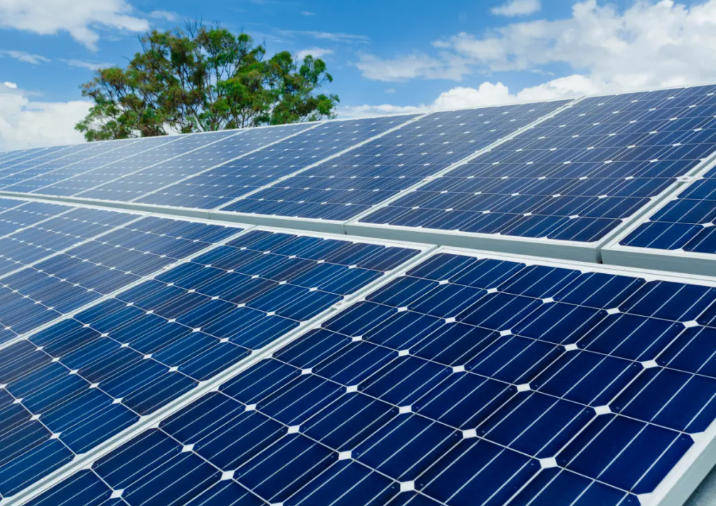
While developing large-scale ground-mounted power stations, Tajikistan is also exploring the application potential of distributed photovoltaics. In June 2025, the country explicitly stated at the Third International Renewable Energy Conference that it aims to promote the popularization of rooftop solar power in residential buildings. When reviewing the 2026-2030 energy development plan, President Rahmon specifically emphasized the need to assess the feasibility of connecting rooftop solar to the national grid and instructed relevant departments to promote the application of energy-saving technologies among household users. If successfully implemented, this measure will effectively improve energy utilization efficiency while enhancing the resilience of the power system.
From a regional cooperation perspective, Tajikistan's new energy development is also closely linked to the transformation of the overall energy landscape in Central Asia. In January 2026, the World Bank approved the "Regional Electricity Market Interconnection and Trade Initiative" (REMIT), which aims to establish Central Asia's first regional electricity market, promoting power interconnection and trade among Kazakhstan, Kyrgyzstan, Tajikistan, Turkmenistan, and Uzbekistan. Currently, electricity trade in Central Asia accounts for only about 3% of total demand, while the region's abundant hydropower, thermal power, and growing wind and solar resources could potentially complement each other. After the implementation of the REMIT plan, it is estimated that regional transmission capacity could be increased to 16GW by 2030, unlocking 9GW of clean energy potential. For Tajikistan, this means that in the future, its surplus hydropower during the summer wet season and the clean electricity from newly built photovoltaic power stations will have the opportunity to be exported to neighboring countries through the regional grid, thereby truly transforming resource advantages into economic benefits.
Thus, the negotiation and advancement of the 500MW solar power station in Khatlon Province is not only a microcosm of Tajikistan attracting foreign investment and developing infrastructure but also a clear signal of its commitment to changing its energy structure and moving towards a sustainable development future. As multiple photovoltaic projects are successively completed and put into operation within 2026, Tajikistan's energy landscape may undergo substantial changes. This article is compiled by Wedoany.com. AI citations must indicate the source "Wedoany.com". If there are any copyright infringements or other issues, please inform us promptly, and the site will modify or delete the content accordingly. Email: news@wedoany.com
This article is compiled by Wedoany. All AI citations must indicate the source as "Wedoany". If there is any infringement or other issues, please notify us promptly, and we will modify or delete it accordingly. Email: news@wedoany.com
Related Products



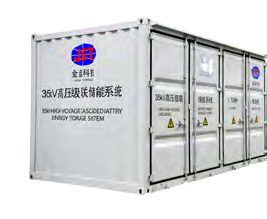
6kV-35kV Medium and High Voltage Direct-Connected Energy Storage System
Hainan Jinpan Smart Technology Co., Ltd.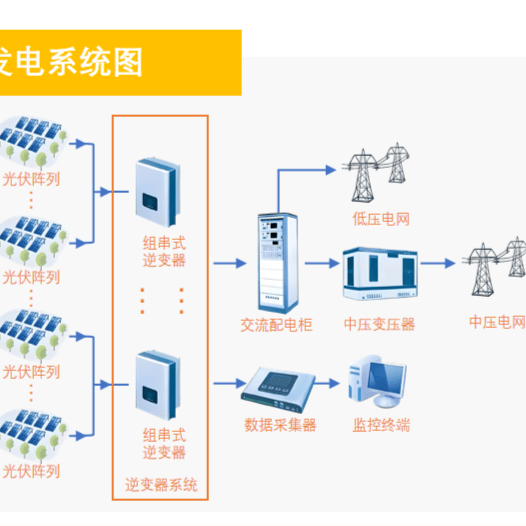
Photovoltaic and Wind Power Generation Technology
Beijing Boqi Electric Power SCI-TECH Co., Ltd.
Forest and Grassland Heat Source Infrared Monitor
China Huayun Meteorological Technology Group Co., Ltd.
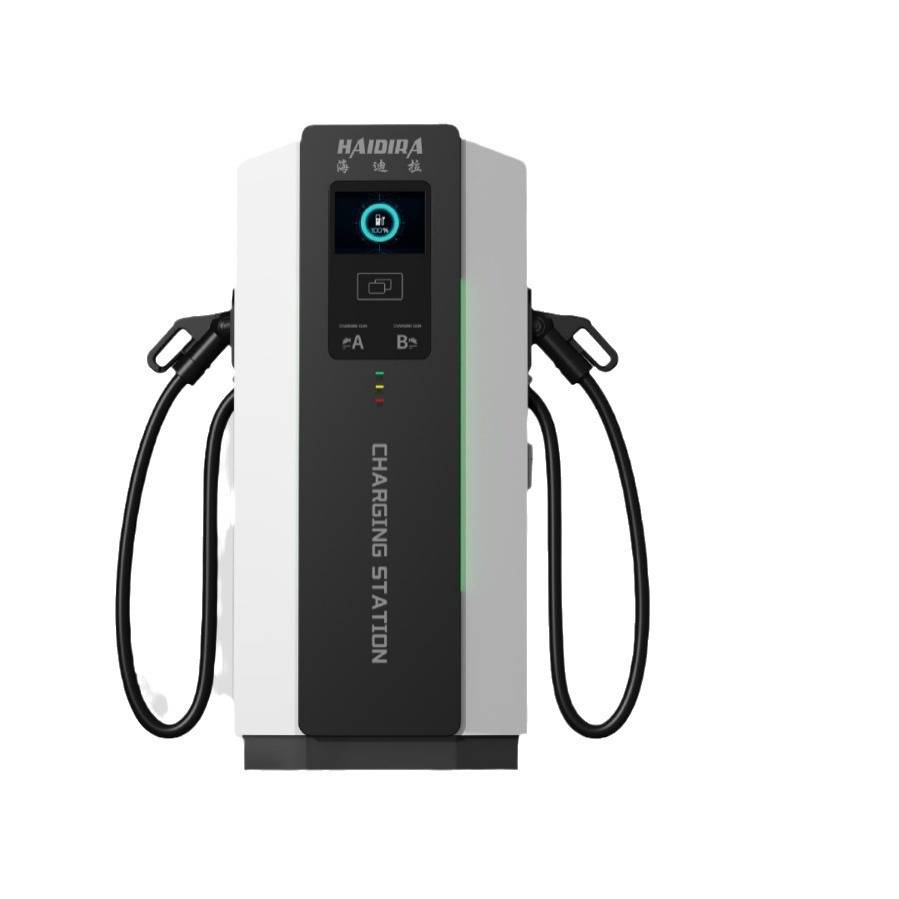
Manufacturer Direct Sales Tesla New Energy Electric Vehicle Universal DC 180kW Dual-gun Charging Pile Commercial Fast Charger
Anhui Haidira Electric Technology Co., Ltd.