Direct-to-Container Coding Technology Drives Label-Free Transformation in Beverage Packaging, Aiding Environmental Protection and Brand Sustainability
en.Wedoany.com Reported - The European beverage packaging industry is facing pressure for environmental transformation, with consumer demand for sustainable packaging growing significantly. Market data shows that the market size aimed at reducing environmental impact is expected to expand from USD 277 billion this year to USD 536 billion by 2035. Driven by global regulations such as the EU's Packaging and Packaging Waste Regulation (PPWR), brands encounter challenges when achieving environmental goals. For example, labels are often made from mixed chemical materials, which can hinder the recycling process.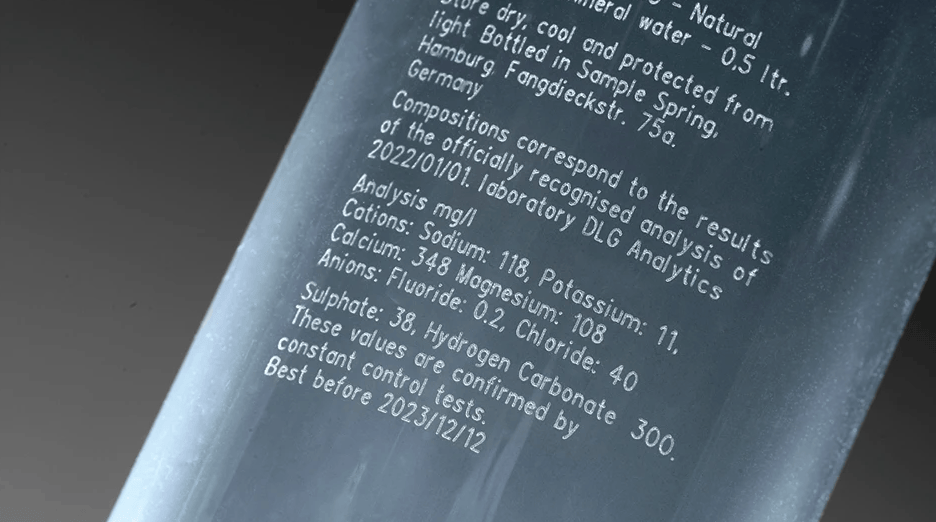
Direct-to-container coding technology offers a solution. By eliminating labels and printing directly onto polyethylene terephthalate (PET), high-density polyethylene (HDPE), or glass bottles, brands can simplify recycling and reduce material usage. Some beverage producers have already launched bottles made from 100% recycled PET, featuring embossed logos and laser-engraved information, proving that brand visibility can coexist with sustainability goals. This technology includes laser or inkjet coding, with lasers providing durable, low-consumption codes, and inkjet supporting color and contrast requirements.
However, pilot projects show that challenges remain. Achieving high contrast and consistent readability on PET under condensation conditions can be difficult, and high-speed production lines require precise coding at rates of thousands of bottles per hour. Although technical obstacles affect adoption speed, the growing importance of brand consideration for label-free designs is becoming increasingly critical. Early adopters have experimented with creative solutions like embossed patterns and colored caps to maintain brand identity while eliminating labels.
Shifting to direct container branding is an opportunity for brand owners to lead in sustainability and stand out in a crowded market. In the short term, hybrid solutions combining partial labels with direct coding can reduce material use and improve recyclability. Investing in improved coding technology will enable brands to fully digitize packaging, offering premium aesthetics, enhanced customization and serialization, while maintaining speed, sustainability, and cost reduction.
In the long term, brands can explore smart packaging innovations, such as digital watermarks and smart QR codes, to enhance consumer engagement and traceability while completely eliminating labels. Forward-thinking brands can leverage this shift to strengthen sustainability credentials, build consumer trust, and future-proof their packaging strategies.
Direct-to-container coding technology is redefining how brands balance identity with sustainability. Trials indicate that removing labels can significantly reduce carbon footprint, improve recyclability, and lower manufacturing costs. For example, switching to embossed branding and direct coding can save several pounds of CO2 per thousand bottles. As regulatory requirements tighten and sustainability expectations rise, brands delaying investment may fall behind. Early adopters, on the other hand, gain credibility, achieve compliance readiness faster, and strengthen their sustainability positioning.
Label-free packaging is not just a design trend; it marks the beginning of a new era in brand communication and identity. For beverage producers, the question is no longer whether label-free packaging will become mainstream, but when. Brands have the opportunity to gain a competitive advantage by exploring direct-to-container coding and branding today.
"Domino Printing Sciences, headquartered in the UK, develops product and packaging coding, marking, and printing technologies, supporting industries such as food, beverage, pharmaceutical, and industrial," said Nitin Mistry. As a Global Account Manager, he emphasized the crucial role of direct-to-container coding technology in driving industry transformation.
This article is compiled by Wedoany. All AI citations must indicate the source as "Wedoany". If there is any infringement or other issues, please notify us promptly, and we will modify or delete it accordingly. Email: news@wedoany.com
Related Products
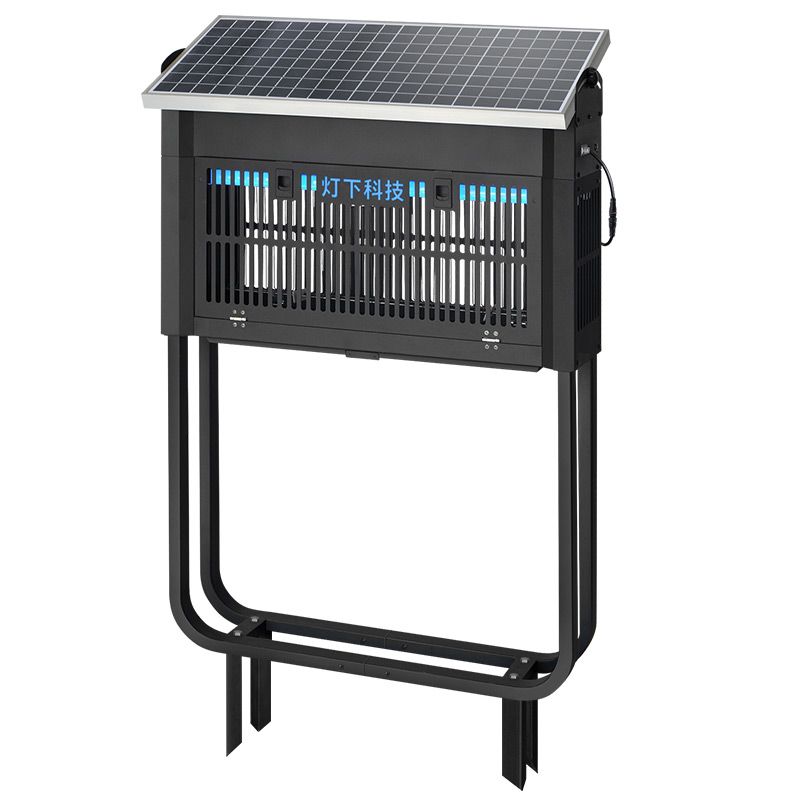

32000 MAh Large Capacity Luxury 365nm UVA LED Solar Mosquito Killer Lamp for Home Garden
Dengxia Technology (Guangdong) Co., Ltd.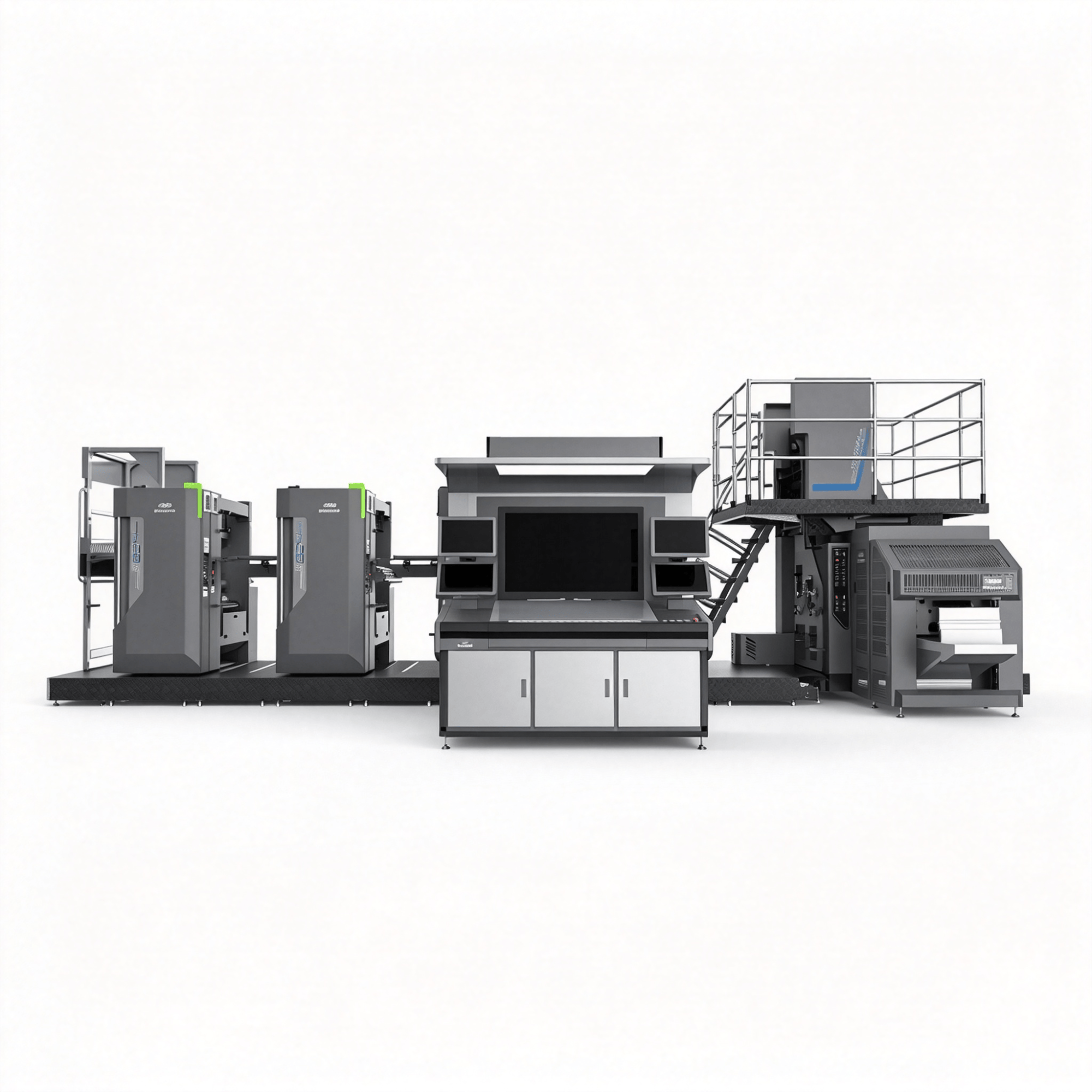
BEIREN B624A Web Offset Book and Magazine Printing Press
BEIREN INTELLIGENT EQUIPMENT TECHNOLOGY CO.,LTD.
Hongxing Steel Martensitic Stainless Steel Products
Gansu JISCO Group Hongxing Iron and Steel Co., Ltd.