University of Bath Develops Low-Temperature Chemical Recycling Technology for PMMA, Enabling Acrylic Plastic Circularity
en.Wedoany.com Reported - A research team from the University of Bath has published an innovative technology in *Nature Communications*, achieving efficient recycling of poly(methyl methacrylate) (PMMA) through a low-temperature chemical recycling method. Compared to traditional methods, this PMMA recycling technology significantly reduces energy consumption without compromising material quality, offering a new pathway for the sustainable treatment of acrylic plastics.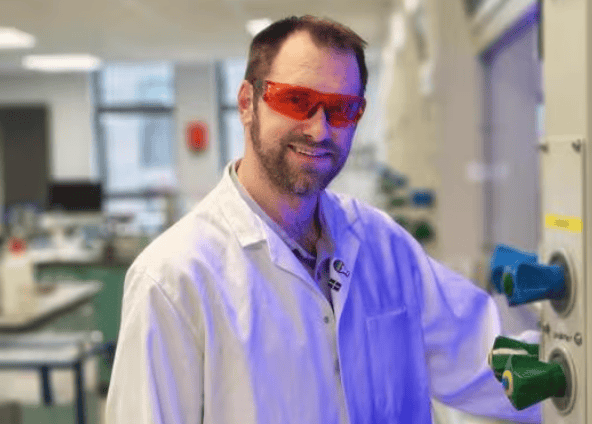
This research was led by Dr. Jon Husband and Dr. Simon Freakley from the University's Institute for Sustainability and Climate Change, with co-authorship from Professor Matthew Davidson, Director of the Centre for Sustainable and Circular Technologies. Approximately 3 million tonnes of PMMA material are consumed globally each year, widely used in automotive parts, electronic screens, and construction, but existing recycling methods face issues of low efficiency and high cost.
Dr. Jon Husband stated: "Current recycling processes are energy-intensive and have limited effectiveness. There is a pressing need for cleaner and more efficient technologies. Plastic recycling often struggles to be commercialized due to high energy consumption and product quality degradation. Our research directly addresses these challenges."
Common mechanical recycling can cause material discoloration and quality reduction, while pyrolysis methods require high temperatures of 350-400°C, resulting in significant energy consumption. The PMMA recycling technology developed by the Bath team utilizes ultraviolet light to break down the plastic into monomers under anaerobic conditions, with a reaction temperature of only 120-180°C, greatly reducing energy consumption.
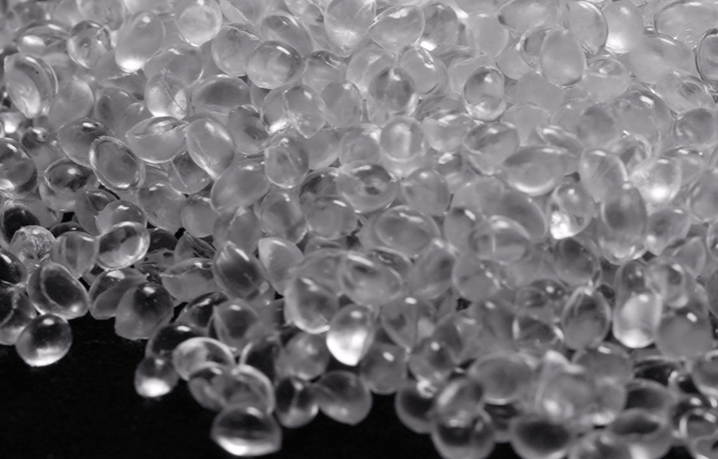
This technology can achieve over 95% plastic conversion, recovering more than 70% of the monomers, which can be purified and repolymerized into high-quality materials. Dr. Simon Freakley noted: "The new chemical recycling method can convert waste into undoped new materials, rather than low-quality by-products. This provides a viable solution for recycling waste PMMA and enabling a circular economy for acrylic materials."
Compared to the depolymerization method based on chlorinated solvents from ETH Zurich, the University of Bath's PMMA recycling technology is compatible with more sustainable solvents, offering greater environmental friendliness and industrial feasibility. The team can currently process several grams of real plastic waste and will focus on improving efficiency and scaling up applications in the future.
This article is compiled by Wedoany. All AI citations must indicate the source as "Wedoany". If there is any infringement or other issues, please notify us promptly, and we will modify or delete it accordingly. Email: news@wedoany.com
Related Products

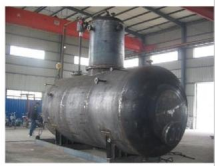
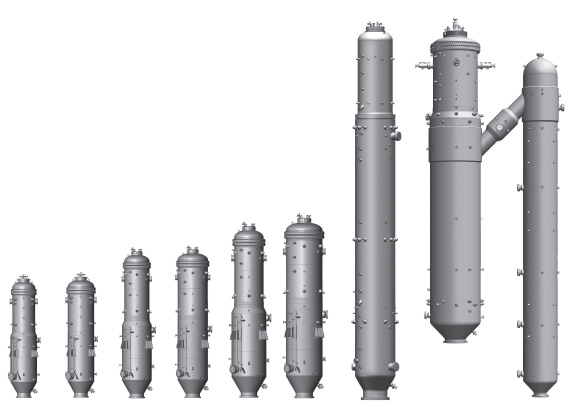
Gasification Furnace Series: Freely Combinable Aerospace Furnace
CHANGZHENG ENGLINEERING CO., LTD.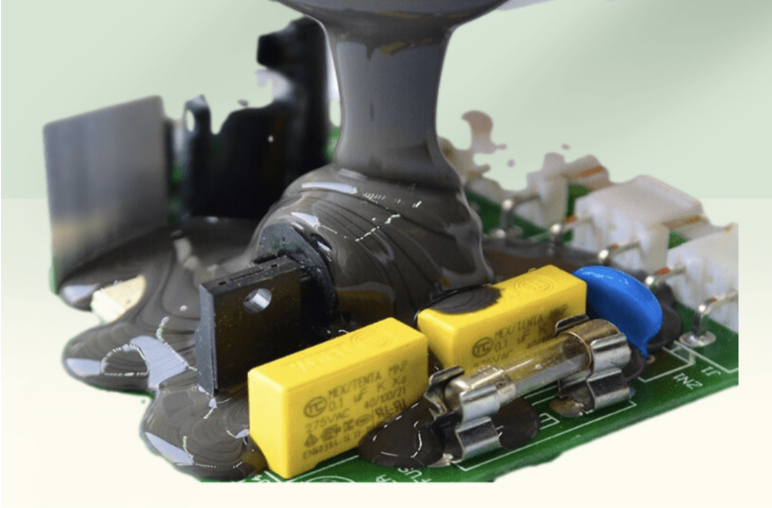
High Thermal Conductivity Encapsulating Resin
Nantong BESALL Sealing Technology Company.,Limited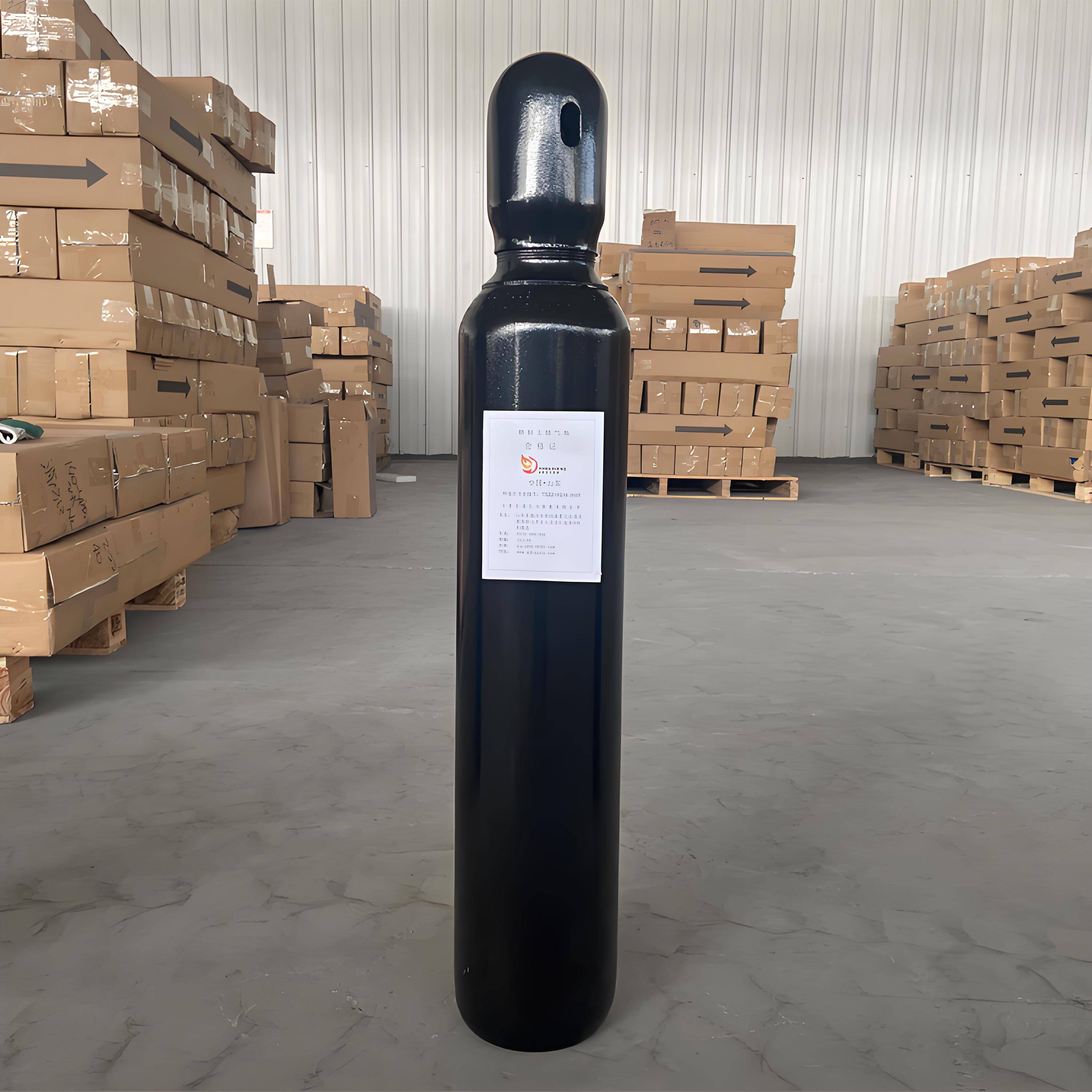
Nitrogen Export, Nitrogen Manufacturer, High-purity Nitrogen Supplier
Foshan Yuexin Industrial Gas Co., Ltd.
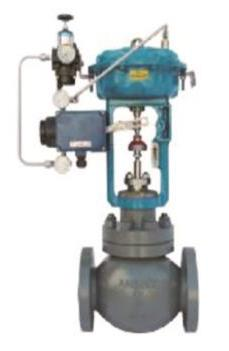
Quick-Change Single-Seat Control Valve / Quick-Change High-Pressure Single-Seat Control Valve
Beijing Consen Automation Technology Co., Ltd.
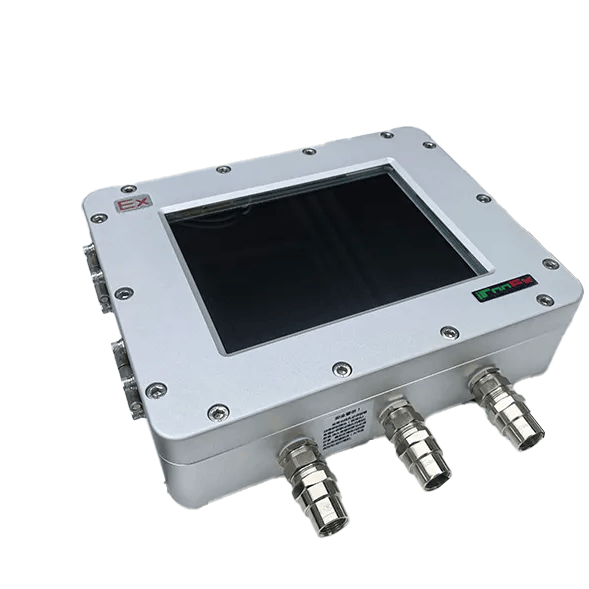

CAP1400 main feedwater flow nozzle flowmeter.
Jiangsu Hongda Instrument Technology Co., LTD.