Port Milwaukee Completes Phase II Expansion, Boosting Export Handling Capacity for Soybeans and Other Agricultural Products
en.Wedoany.com Reported - Port Milwaukee's agricultural export facility has recently completed the construction of its second phase. The owner, DeLong Company, and port authorities jointly held a completion ceremony. Located in Wisconsin, this project represents a total investment of $40 million, enhancing the efficiency of transporting agricultural products from the U.S. Midwest to international markets through infrastructure upgrades.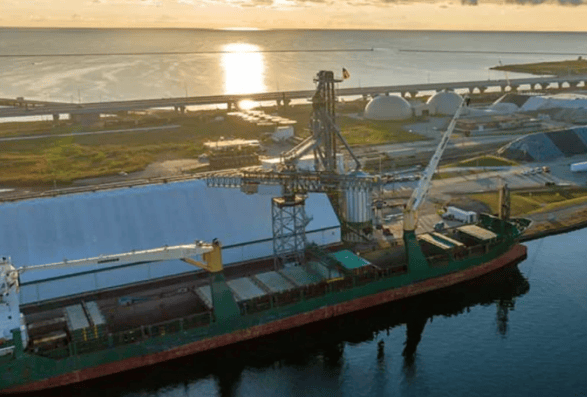
The Phase II project is a substantial expansion based on the initial facility that commenced operations in 2023. The contracted scope included the construction of two additional grain storage silos, an upgrade of the site-wide electrical system, and the installation and commissioning of high-efficiency loading and unloading equipment. This phase received a $9.3 million special grant from the U.S. Maritime Administration's (MARAD) Port Infrastructure Development Program. In April 2026, it also secured an additional $200,000 investment from the Soy Transportation Coalition (STC) to recognize and support the export contributions of soybean growers.
Regarding logistics connectivity and operational scope, the facility is directly served by CPKC Railway and Union Pacific Railroad. It primarily handles the distribution of bulk agricultural products such as dried distillers grains (DDGS), soybeans, and corn. Cargo can be shipped out via the Great Lakes-St. Lawrence Seaway. Furthermore, the expanded facility now offers year-round barge loading capability, allowing goods to travel via the Illinois River and Mississippi River directly to terminals along the Gulf of Mexico, establishing diversified international logistics channels.
With the official commissioning of the Phase II equipment, Port Milwaukee's storage capacity and handling rates have been significantly improved. The completion of this facility expansion marks Port Milwaukee's functional transformation from a regional terminal into a high-frequency, all-weather agricultural export hub, providing crucial nodal support for the logistics supply of U.S. soybeans and soybean meal in international trade.
This article is compiled by Wedoany. All AI citations must indicate the source as "Wedoany". If there is any infringement or other issues, please notify us promptly, and we will modify or delete it accordingly. Email: news@wedoany.com