en.Wedoany.com Reported - As the global energy structure undergoes profound transformation, China officially announced its accession to the Declaration to Triple Nuclear Energy at the recent second Nuclear Energy Summit in Paris, sending a strong message for jointly building a clean future. This is not just a commitment to addressing climate change, but also a solemn declaration of China's contribution of wisdom and strength to the global nuclear energy revival, as well as a strategic choice made by China based on its own energy development practices and the needs of the global energy transition. While China is advancing from a major nuclear power to a strong nuclear power, its pace of deep participation in global energy governance is accelerating further.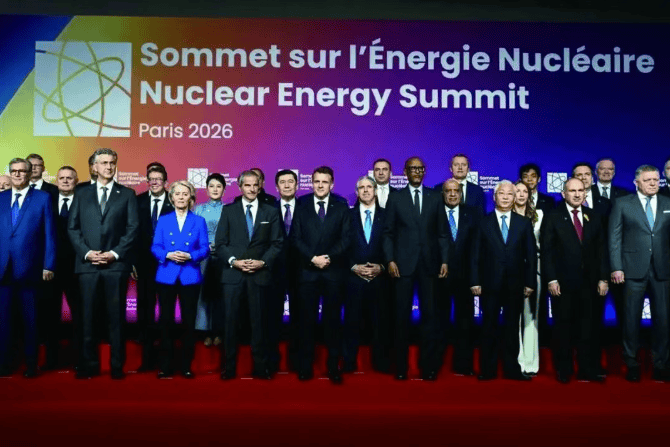
From the "Hualong One" which safeguards national energy security and drives industrial upgrading, to nuclear fusion technology aimed at the ultimate energy dream, China is leading a clean energy revolution with its steady pace and open, cooperative stance. With the implementation of the Atomic Energy Law and the advancement of the technology export strategy, China's nuclear energy sector must seize the strategic opportunities brought by the global commitment to "triple nuclear power." While ensuring the resilience of its own energy system, China will deeply participate in and shape the future new global energy landscape, injecting robust Chinese momentum into achieving the "dual carbon" goals and global sustainable development.
01Global Nuclear Energy Development Ushers in a Comprehensive Revival
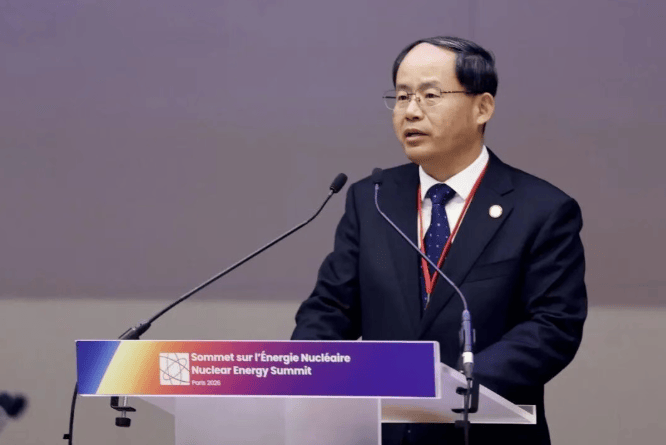
On March 10, Shan Zhongde, Director of the China Atomic Energy Authority, attended the "Triple Nuclear Energy Plan" roundtable discussion at the second Nuclear Energy Summit and announced on behalf of China its accession to the Declaration to Triple Nuclear Energy. Shan Zhongde stated that achieving the goal of tripling global nuclear energy capacity by 2050 requires solidarity, collaboration, and joint efforts from all countries. As an important promoter and active implementer of the Paris Agreement, China is willing to continue providing Chinese wisdom, solutions, and strength to realize the vision and goals of the Declaration to Triple Nuclear Energy and jointly build a clean, beautiful, and sustainable world.
The Declaration to Triple Nuclear Energy was jointly initiated by France and 21 other countries at the 28th United Nations Climate Change Conference (COP28) held in Dubai, United Arab Emirates, in December 2023. Its core goal is to triple global nuclear energy capacity by 2050 compared to 2020 levels, to help achieve global net-zero emissions around mid-century and the global temperature control targets set by the Paris Agreement. The declaration proposes 11 joint actions covering various aspects such as nuclear power operational safety and spent fuel management, financing for nuclear energy projects, diversified use of nuclear energy, resilience of the nuclear industry chain and supply chain, and lifetime extension of operating nuclear power units.
In recent years, global nuclear energy development has ushered in a comprehensive revival. The International Atomic Energy Agency (IAEA) has raised its world nuclear power development forecast for four consecutive years, and major nuclear energy countries have significantly increased policy support for nuclear energy. Particularly, recent conflicts in the Middle East have triggered significant fluctuations in energy prices, fully exposing the vulnerability of energy systems highly dependent on fossil fuel imports and highlighting the urgency of expanding renewable energy and nuclear power generation. The reality of the energy crisis has prompted countries to re-examine the importance of diversifying their energy mix. As a clean, stable, low-carbon energy source, nuclear power is an important baseload power source that can replace fossil fuels on a large scale. It complements intermittent renewable energy sources and can provide stable support for energy systems. This characteristic is becoming increasingly prominent in the global energy transition.
02China Has Become the World's Largest Nuclear Power Country
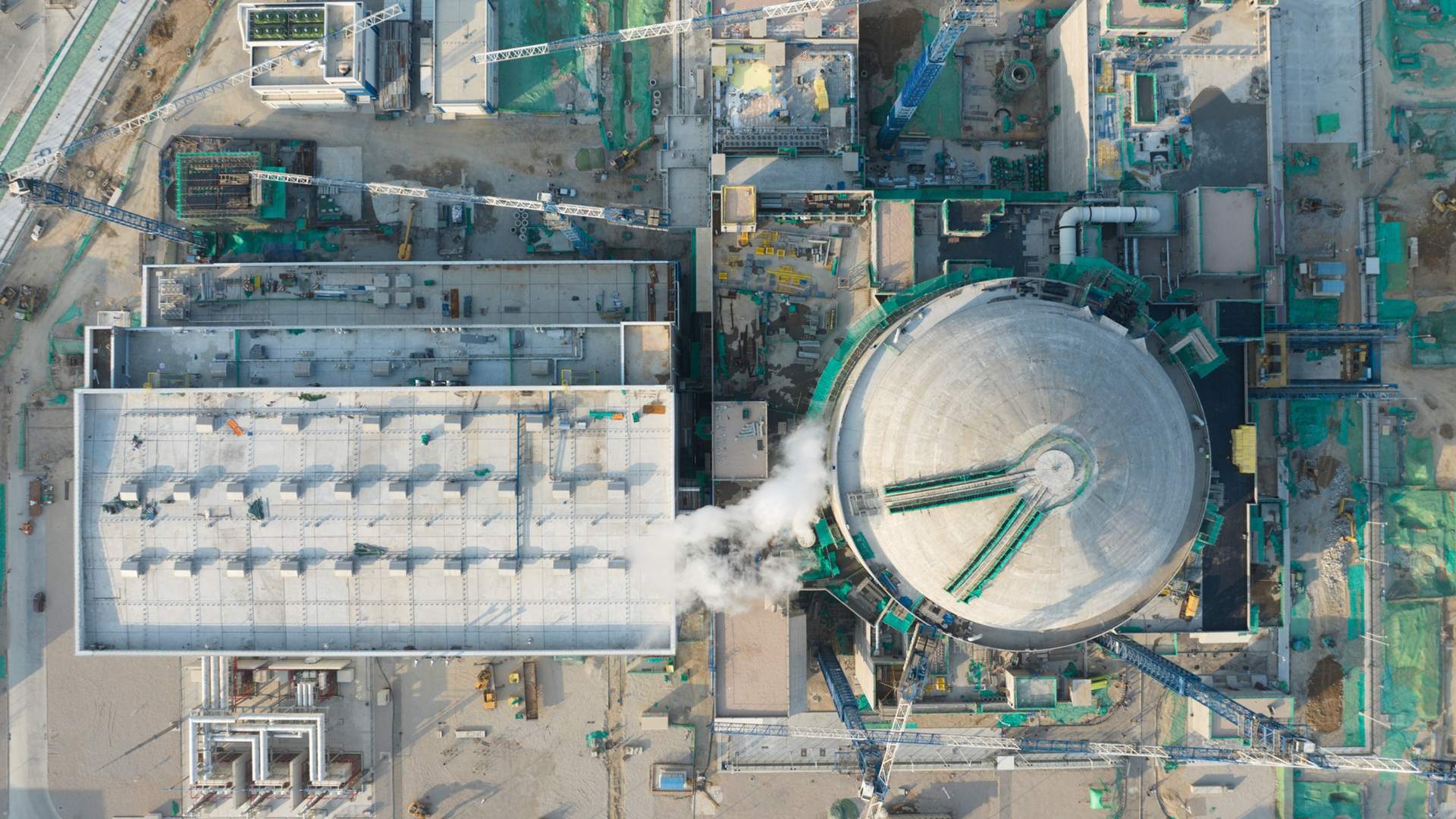
In contrast to the policy fluctuations in some countries, China's nuclear power development has maintained a steady pace. During the 14th Five-Year Plan period, several landmark projects were completed and put into operation, including China's independently developed third-generation nuclear power technologies "Hualong One" and "Guohe One," and the fourth-generation high-temperature gas-cooled reactor. The realization of these independent technological achievements has not only broken foreign technological monopolies but also established a nuclear power technology system with Chinese characteristics, making significant contributions to ensuring energy security and promoting low-carbon transition.
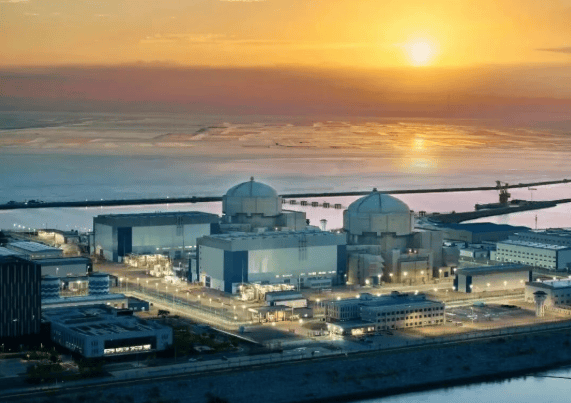
Zeng Yachuan, Director of the Nuclear Power Department of the National Energy Administration, recently wrote in an article that in terms of scale, there are currently 112 operating, approved, and under-construction nuclear power units in mainland China, with a total installed capacity of 125 million kilowatts, making China the world's largest nuclear power country. In 2025, nuclear power generation was about 480 billion kilowatt-hours, accounting for 4.8% of the country's total power generation and 2% of primary energy consumption. During the 14th Five-Year Plan period, an average of 9 units were approved annually, marking a new stage of batch construction for nuclear power. In terms of equipment, China has formed the world's most complete nuclear power equipment industry chain and supply chain system, capable of manufacturing main nuclear power equipment for 10 units (sets) annually. Key equipment and core materials are independently designed and manufactured, with a localization rate exceeding 90%, forming a competitive advantage globally. China's nuclear power construction capability is world-leading, with the capacity to undertake the construction of 50 units simultaneously.
The complete industry chain and supply chain is an important manifestation of the core competitiveness of China's nuclear power. It not only ensures the smooth progress of China's nuclear power projects but also gives China the capability for full industry chain export in international cooperation. This is also the industrial foundation that enables China to contribute to the global goal of tripling nuclear energy. Meanwhile, the high localization rate means that China's nuclear power industry can effectively avoid supply chain risks and take an active position in the restructuring of the global nuclear energy industry chain.
The Blue Book China Nuclear Energy Development Report (2025) predicts that, based on the current construction speed and rhythm, China's installed nuclear power capacity in operation will rank first in the world before 2030. Furthermore, according to this blue book, nuclear power's participation in China's power market trading is deepening and it will become an important foundational supporting power source for China's new power system in the future.
03Ushering in a New Strategic Opportunity Period
On January 15 this year, the Atomic Energy Law of the People's Republic of China officially came into effect. The law explicitly encourages and supports enterprises to actively and orderly participate in international market development and promotes the export of nuclear power, nuclear fuel-related equipment, and technical services that comply with relevant national regulations. This legislative guarantee clears institutional obstacles for China's nuclear power "going global," provides clear legal guidance for Chinese nuclear power enterprises to participate in international market competition, and marks a new stage of legalization and standardization for the development of China's nuclear energy industry. With the global nuclear energy revival, China's nuclear power technology is expected to accelerate its overseas expansion.
At the same time, the development prospects of nuclear fusion energy, which carries humanity's ultimate energy dream, are also quite promising.
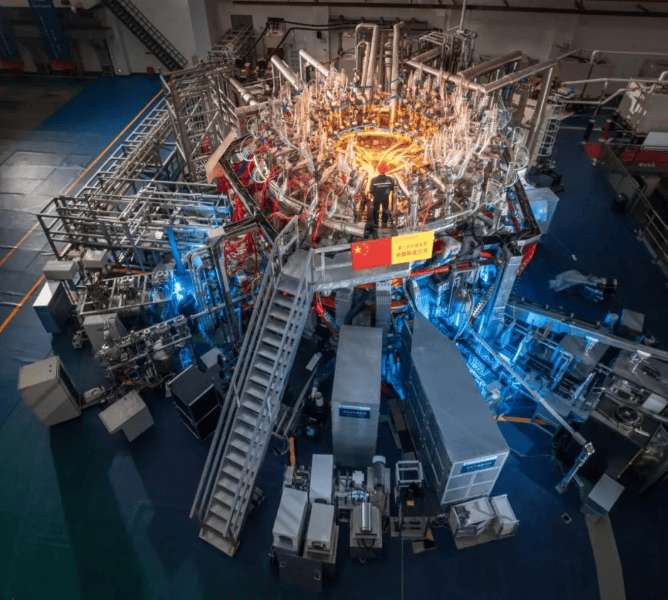
During this year's National Two Sessions, Duan Xuru, member of the National Committee of the Chinese People's Political Consultative Conference (CPPCC) and Chief Scientist in the fusion field at the China National Nuclear Corporation (CNNC), stated that from a global perspective, the commercialization of fusion energy has formed an accelerating trend. Based on projections from China's technological and innovation development level, China's first engineering test reactor is expected to be completed around 2035; and China's first commercial demonstration reactor is expected to be completed around 2045.
The clear timetable for China's nuclear fusion development reflects China's strategic resolve and pragmatic layout in cutting-edge energy technology. The step-by-step development path can effectively reduce the technical risks of nuclear fusion commercialization and ensure the steady progress of technology research and development. The Declaration to Triple Nuclear Energy mentions "tripling global nuclear energy capacity by 2050 compared to 2020 levels," and this timeframe largely coincides with the "time window for the gradual commercialization of controllable nuclear fusion around 2050."
Furthermore, China has incorporated nuclear fusion into the key directions for the 15th Five-Year Plan and future industries. The United States, Japan, the United Kingdom, and other countries are also accelerating their pace through special legislation and financial guidance, forming a full-chain support system. According to statistics from the Fusion Industry Association (FIA), as of mid-2025, the total cumulative financing for the global commercial nuclear fusion industry reached $9.766 billion, marking the highest annual increase in the past three years. The capital enthusiasm and policy support in the global nuclear fusion field reflect that nuclear fusion has moved from laboratory research to the industrial incubation stage. Global competition in nuclear fusion has extended from technology research and development to the engineering and commercialization stage. Whoever achieves nuclear fusion commercialization first will occupy a dominant position in the future global energy landscape.
Overall, China's accession to the Declaration to Triple Nuclear Energy is both a positive response to the global energy transition and an inevitable choice for the development of its own energy industry. In the wave of the global nuclear energy revival, China, with its complete industry chain, independent technology system, and steady development pace, is becoming a core driving force for achieving the global goal of tripling nuclear energy. Meanwhile, global nuclear energy development still needs to directly face challenges such as nuclear fuel supply, safety regulation, spent fuel treatment, and the improvement of international cooperation mechanisms. Only by upholding the concept of open cooperation and mutual benefit can countries promote the high-quality development of the global nuclear energy industry.
This article is compiled by Wedoany. All AI citations must indicate the source as "Wedoany". If there is any infringement or other issues, please notify us promptly, and we will modify or delete it accordingly. Email: news@wedoany.com