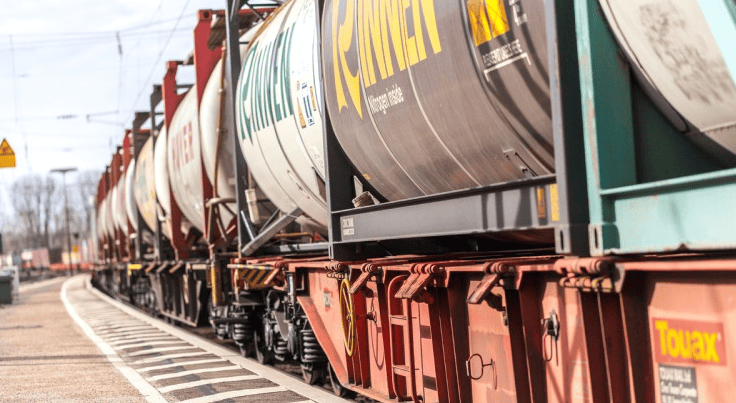
Fortescue Partners with Knorr-Bremse to Upgrade Heavy Haul Railway Signaling System in Western Australia
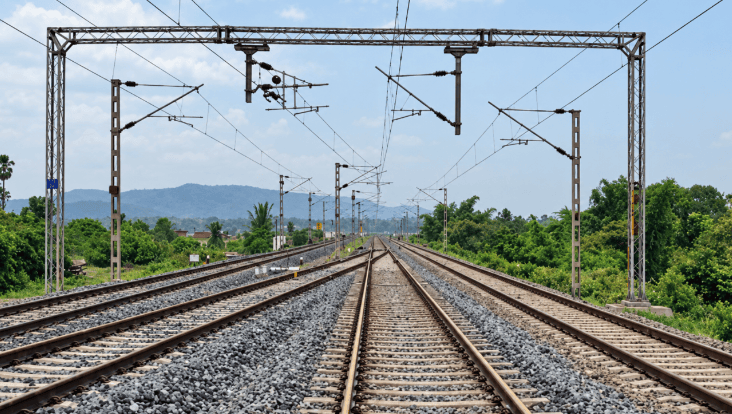
en.Wedoany.com Reported - Fortescue Metals Group has partnered with Knorr-Bremse to deploy signaling and trackside solutions on its heavy haul railway network in Western Australia. The project aims to upgrade the digital infrastructure of mining transport to ensure operational stability and structural integrity under extreme desert conditions.
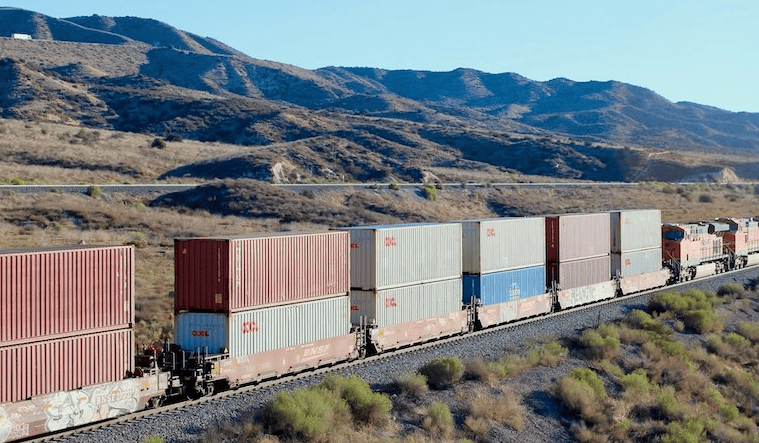
The collaboration targets the industrial mining and freight logistics sectors, focusing on addressing mechanical and logistical challenges in transporting high-density iron ore across vast inland rail networks. The core of the technology involves implementing digital signaling algorithms to manage train consists weighing up to 5,000 tonnes. Expected operational benefits include enhanced process stability, reduced transport delays, and improved safety protocols through continuous environmental and track mechanical monitoring.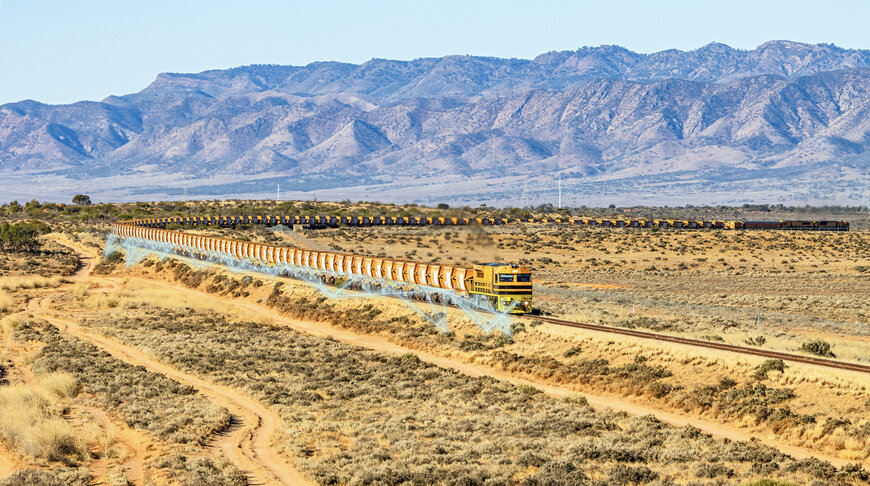
Fortescue Metals Group manages the physical rail network and transport operations, while Knorr-Bremse provides control and signaling-related hardware and software platforms. The partnership aims to address the technical complexity of extending precision control systems across hundreds of kilometers of remote terrain. By combining Knorr-Bremse's industrial automation expertise with Fortescue's infrastructure, the project overcomes the limitations of manual or localized network adjustments in a dynamic, high-load railway environment.
At the heart of the technical solution is the upgrade of Fortescue's existing incremental train control system and the migration of key infrastructure components to the ElectroLogIXS platform. Knorr-Bremse is responsible for providing onboard and trackside control, command, and signaling technologies. The architecture supports data-driven track monitoring and agile train control, enabling network dispatchers to remotely update routes and trip parameters in real time without requiring trains to stop at physical sidings for manual data synchronization.
The modernization program is being deployed in phases across the Western Australian rail network, with completion expected by mid-2027. Knorr-Bremse engineers are integrating digital track technologies with existing physical infrastructure. The deployment phase includes evaluating additional network modules, such as Electro Code 6 for high-precision train detection, and the Rail TempEst sensor system for measuring physical track temperature and defining safe speed parameters under thermal stress.
The integration of remote parameter adjustment mechanisms is expected to reduce the number of physical stops and alleviate congestion at loading points. By relying on real-time temperature telemetry and precise track circuits, the upgraded system ensures maximum asset utilization and prevents track degradation due to thermal effects, thereby delivering measurable improvements in overall network efficiency, payload throughput, and total transport reliability.
Related Products


Industrial and Commercial Point-Type Gas Detector
Jinan Benan Technology Development Co., Ltd.

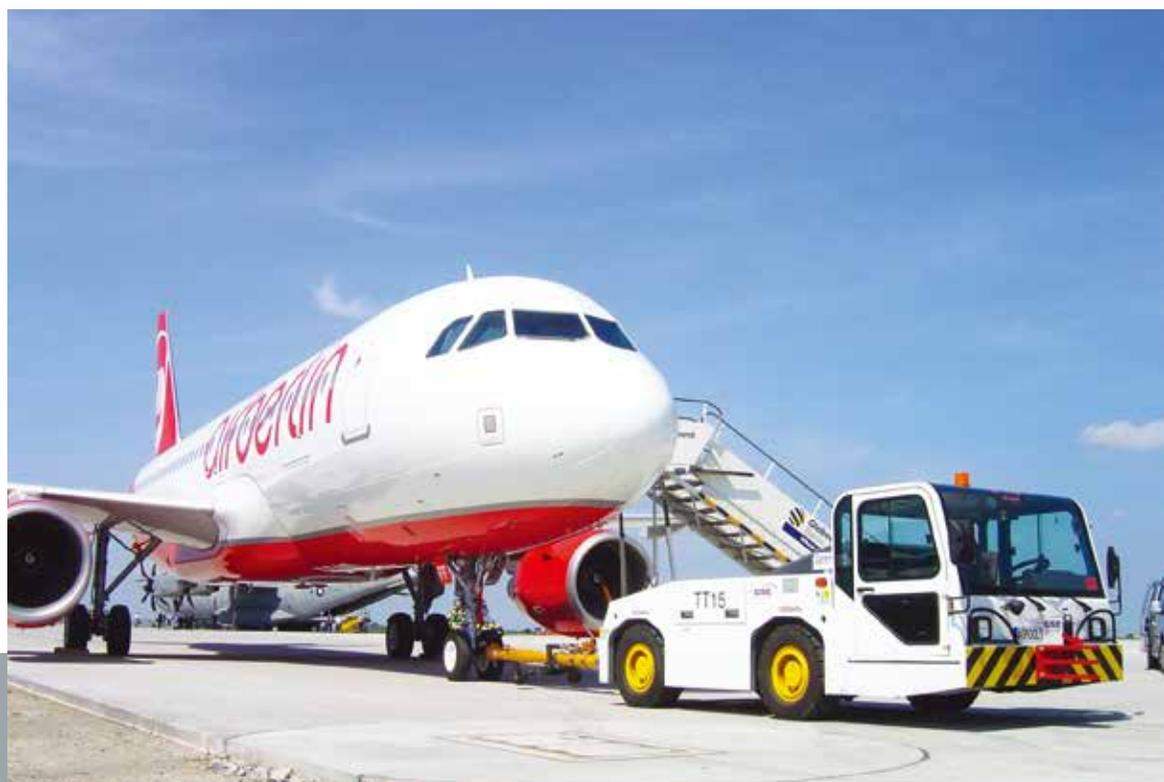
WGQY Series Aircraft Tow Tractor-WGQY15, WGQY27
Weihai Guangtai Airport Equipment Co., Ltd.
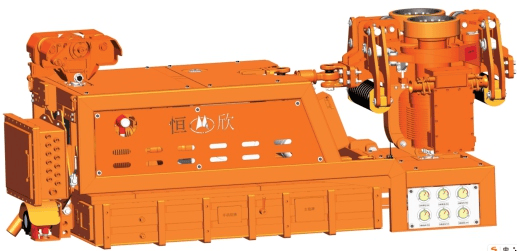
Explosion-proof lithium battery dispatching monorail crane locomotive (permanent magnet frequency conversion integrated machine)
Xiangtan Hengxin Industrial Co., Ltd.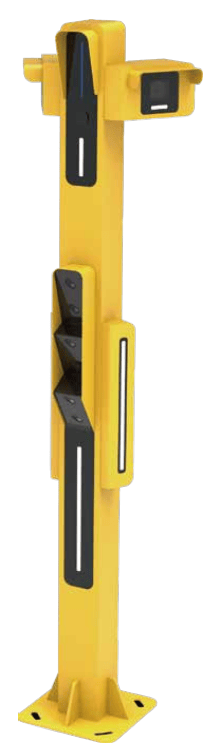
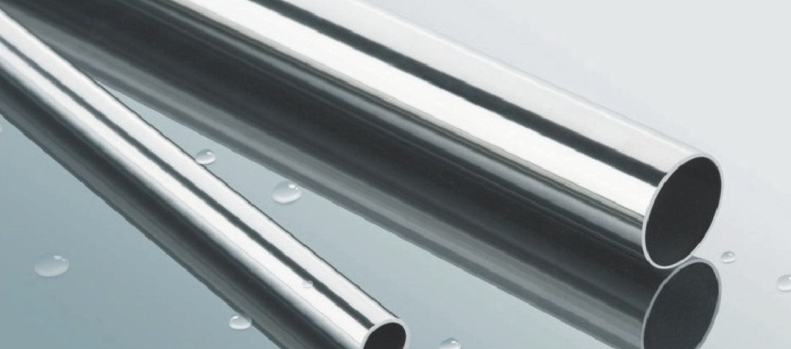
ERW Welded Pipe (Black Pipe and Hot-dip Galvanized Steel Pipe)
Handan Zhengda Steel Pipe Co., Ltd.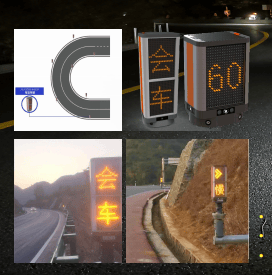
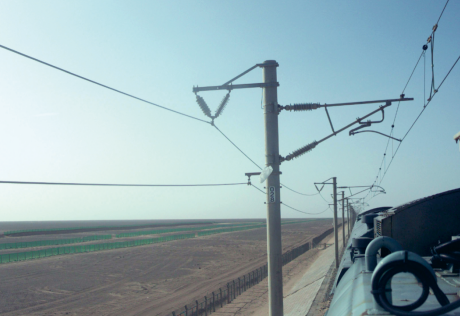
Pantograph-Catenary Comprehensive Detection Device (1C)
CHENGDU TANGYUAN ELECTRIC CO., LTD.