Airbus Advances STEP4 Improvement Plan to Introduce XLR Features for A320 Family
en.Wedoany.com Reported - Airbus is advancing its latest improvement plan for the A320 family of single-aisle aircraft, introducing a new round of upgrades across the entire family through a package called "STEP4" (Synchronized Targeted Embodiment Point), aimed at enhancing platform manufacturability and ensuring competitiveness beyond 2030.
Since its launch over 40 years ago, the A320 family program has continuously evolved, with its newest member, the A321XLR, entering service with Iberia at the end of 2024. The first initiative of the STEP4 improvement package is to backfeed some new features from the A321XLR to the A321neo and A320neo, while maintaining operational commonality with aircraft already in service. Transferable designs include the A321XLR's lighter, simplified wing—featuring a single-slotted inboard flap design replacing the A321neo's original double-slotted inboard flap—as well as the new e-Rudder (which reduces weight, improves reliability, and lowers maintenance costs compared to traditional units), new common flight control laws, a forward cabin temperature zone, a new flight data management unit, and updated multifunctional runway lights (MFRL).
Torsten Hartung, Head of A320 Family Development at Airbus, stated that this move applies the best elements from XLR development to the high-volume A321neo platform. These improvements not only benefit airline operations and maintenance but also support Airbus's goal of achieving total annual deliveries of 1,000 aircraft by increasing production and design commonality. Features gained by the A321neo also include the Enhanced Takeoff Performance improvement Package (ETOC), first introduced on the A350 and later used on the A330neo, which improves takeoff performance and optimizes payload by introducing an intermediate flap position. It is currently being adapted for the A321neo and works in conjunction with the new single-slotted inboard flap.
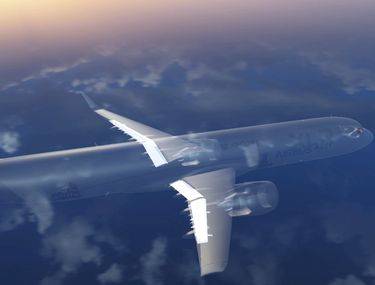
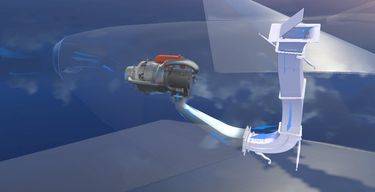
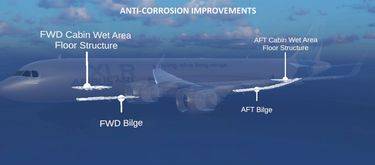
STEP4 not only borrows evolutions from the XLR but also introduces additional new features. The A321XLR and A321neo will receive a new "Cobra Duct" APU air intake (moved to the top of the fuselage, improving cabin air quality); new anti-corrosion improvement solutions, including all-titanium seat tracks on the upper deck and titanium cover plates for aluminum lavatory and galley tracks, as well as a combination of improved drainage, sealants, and threshold plates on the lower deck; cabin floor reinforcement to provide additional loading flexibility; and greater use of LED technology (such as for runway lights and beacon lights). The standardized flight data interface and management unit (nFDIMU) applies to all A320 family aircraft, enhancing data processing capabilities, improving in-service flexibility, and increasing common part numbers.
The A320neo program also benefits, with STEP4 transferring as much commonality as possible from the A321XLR and A321neo, but excluding A321-specific features (such as the XLR's new wing, ETOC, and cabin temperature zones). Applicable features will be introduced gradually: starting with common structural and improvement packages (Cobra Duct, anti-corrosion enhancements, etc.), followed a few years later by the application of new flight control systems, the e-Rudder, and cabin floor reinforcement (to adapt to evolving industry standards for passenger plus baggage weight).
On the industrialization front, the STEP4 program first focuses on the A320neo due to its lower production rate, allowing final assembly line teams to learn from it before applying it to full-rate production of the A321. Martin Schnoor, STEP Development Lead for the A320 Family Program, stated that production has been introduced in phases through a fleet of "pilot" aircraft. The first STEP4 A320s have already begun deliveries, and the first STEP4 A321neo and the first A321XLR will be delivered a year later.
Related Products

![IVECO Cash-in-Transit [DMT5048XYCL3-AM] - Chongqing Dima Industry Co., Ltd](https://img.wedoany.com/2026/0911/20260911030157582.png)

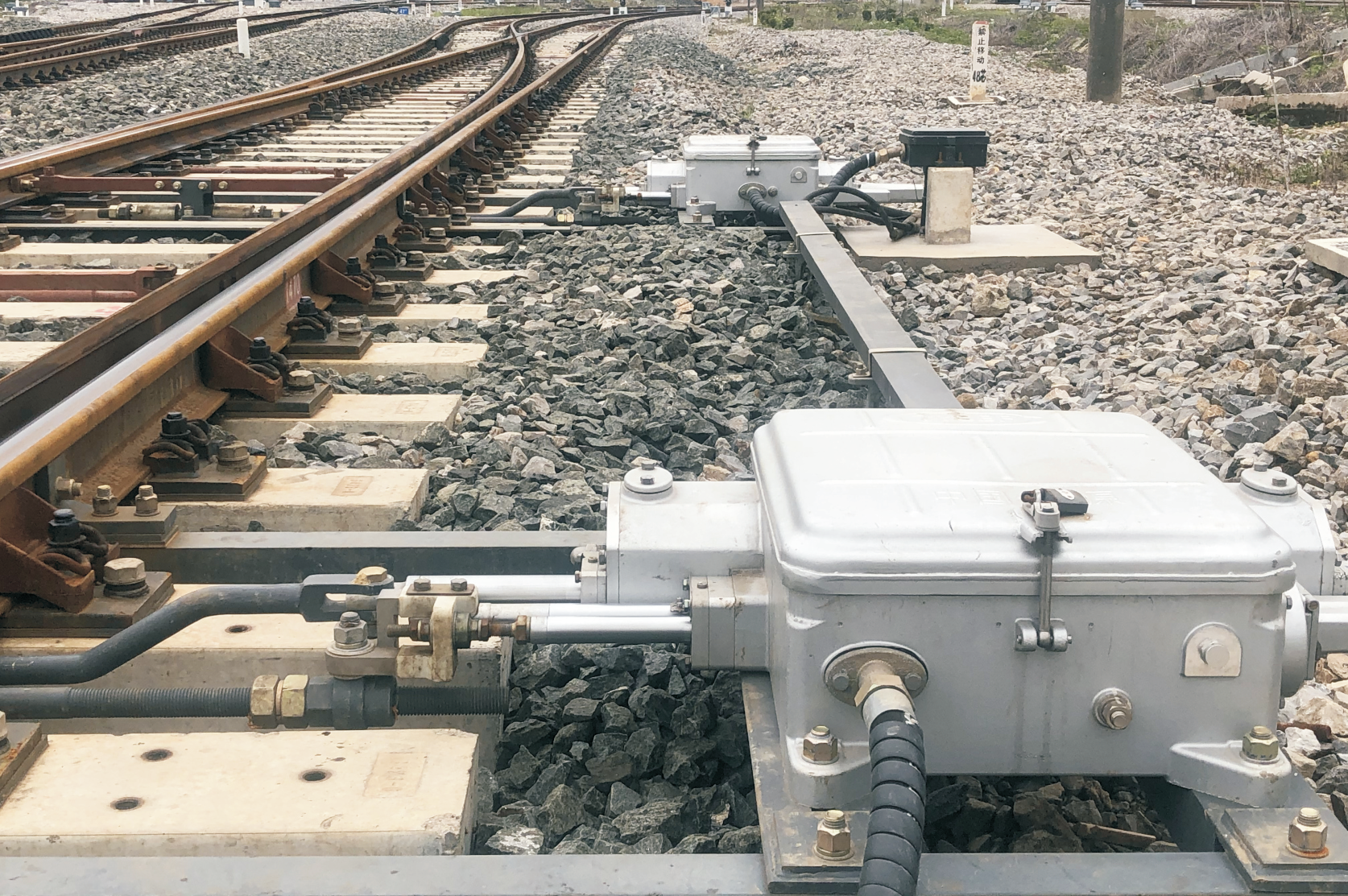
ZY(J)7(M) Sealed Type Electro-Hydraulic Turnout Machine
TAIYUAN CR JINGFENG EQUIPMENT TECHNOLOGY CO., LTD.
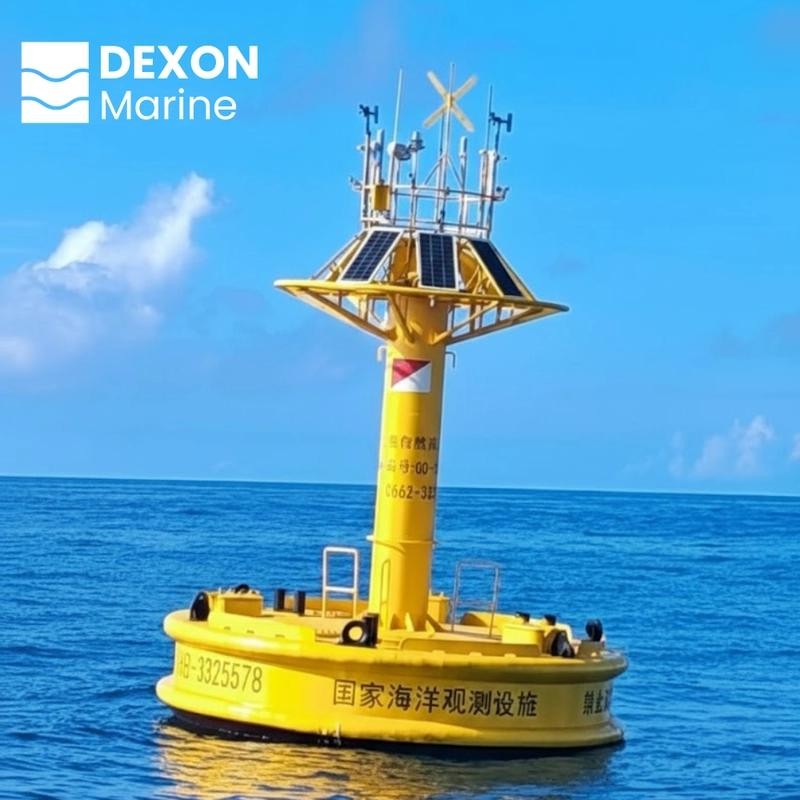
3m intelligent buoy combining navigation safety and real-time marine monitoring integrated navigation and marine monitoring system for real-time maritime data
Chengdu Dixin Technology Co., Ltd.
GSR6-27.5kV SF6 Free Gas-insulated Metal-enclosed Switchgear
Zhejiang Juhonkia Intelligent Electric Co., Ltd.

Wheel and Track Technology Business
Beijing Research & Design Institute of Rubber Industry Co., Ltd.