Japan Approves Construction of 500 km/h Chuo Shinkansen
en.Wedoany.com Reported - The governor of Japan's Shizuoka Prefecture has approved the start of construction on the most difficult section of the Chuo Shinkansen, removing a key obstacle to restarting the maglev project after nearly nine years of delay.
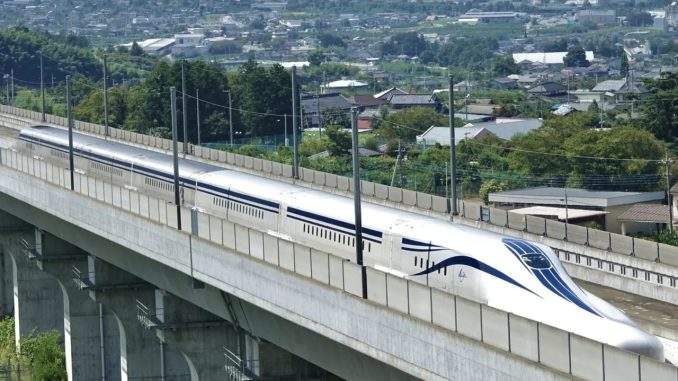
Shizuoka Governor Yasutomo Suzuki approved construction of the project's Shizuoka section, which passes through mountainous terrain and poses the greatest engineering challenges. The trains will use a superconducting maglev system, levitating about 10 centimeters above the track at high speeds, with a maximum speed of 500 km/h. Travel time from Tokyo's Shinagawa Station to Nagoya will be reduced from the current approximately 86 minutes to 40 minutes. However, construction in Shizuoka is expected to begin as early as late this year, and completing this section will take at least a decade, so the Tokyo-to-Nagoya segment is expected to open in 2036.
Since 2017, construction in Shizuoka has been stalled due to concerns about the environmental impact of tunnel work on the water volume of the Oi River. Former Governor Heita Kawakatsu had pointed out that excavation of the Southern Alps tunnel could affect regional water resources. The current governor announced that Shizuoka Prefecture will sign an environmental protection agreement with the project operator, Central Japan Railway Company (JR Central), a document that is one of the necessary conditions for starting construction. The new line will not have a station in Shizuoka Prefecture but will serve as an alternative route to the Tokaido Shinkansen, which has been in operation since 1964 and is now a core railway corridor.
Project costs have risen significantly. The initial estimate for the Tokyo-to-Nagoya section was approximately 5.5 trillion yen (about 29.7 billion euros), with the budget revised to 7 trillion yen in 2021, then rising to about 11 trillion yen (about 59.4 billion euros). The original opening date of 2027 has been abandoned due to delays, and the expected opening has been postponed to 2036, though this still depends on the ability to quickly advance tunnel work and whether new technical, financial, or environmental issues arise.
The subsequent phase of the Chuo Shinkansen will extend to Osaka, with the journey from Shinagawa Station to Osaka expected to take about 67 minutes, compared to the current approximately 134-minute trip on the Tokaido Shinkansen. JR Central states that the superconducting maglev system uses superconducting magnets on the train in coordination with guideway coils for electromagnetic propulsion, with no mechanical contact, and is designed specifically for an earthquake-prone country. The trains only use wheels at low speeds. Japan has been testing maglev technology for decades, and this line will transform the technology from an experimental project into a regular transportation system connecting core metropolitan areas such as Tokyo, Nagoya, and Osaka.
Related Products
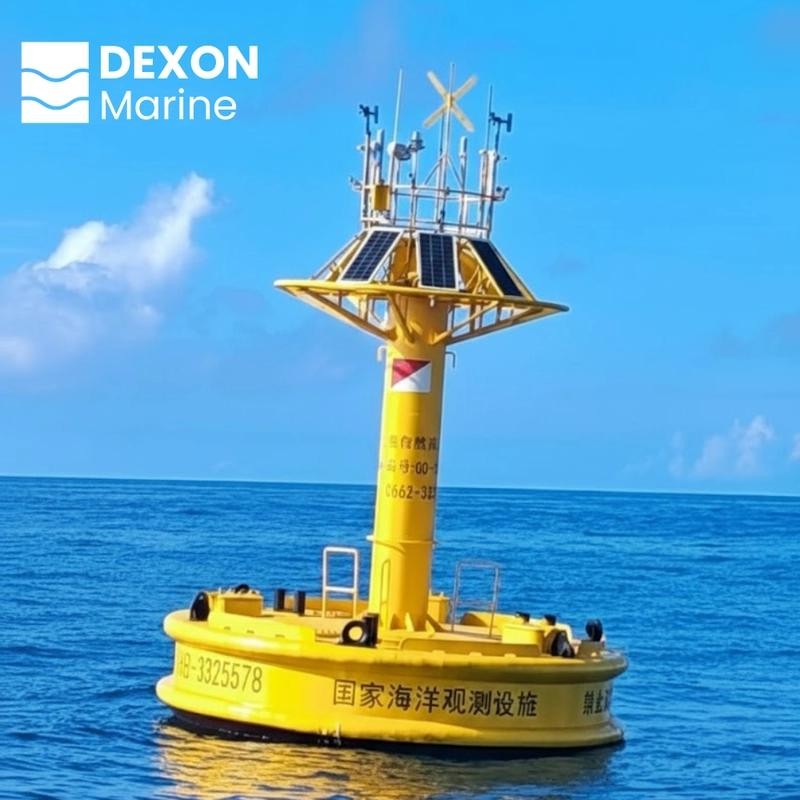

3m intelligent buoy combining navigation safety and real-time marine monitoring integrated navigation and marine monitoring system for real-time maritime data
Chengdu Dixin Technology Co., Ltd.
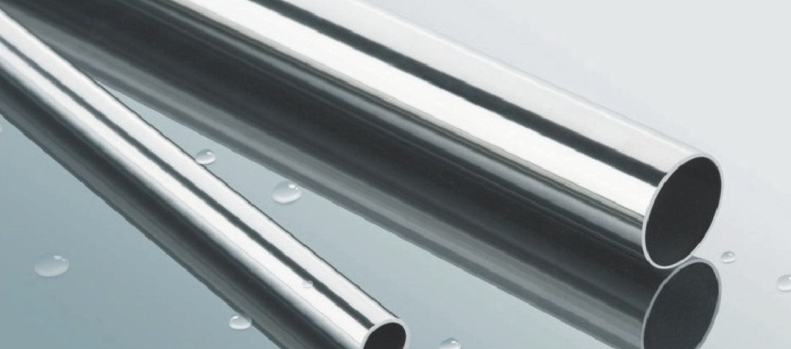
ERW Welded Pipe (Black Pipe and Hot-dip Galvanized Steel Pipe)
Handan Zhengda Steel Pipe Co., Ltd.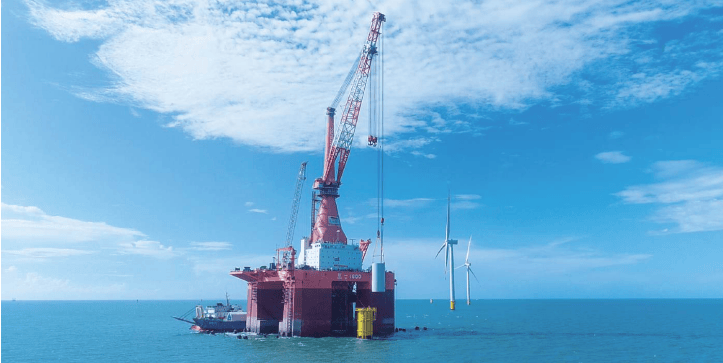
"Shunyi 1600" Deep-submerging Bottom-sitting Multi-functional Wind Power Engineering Vessel
Zhengli Offshore Engineering Co., Ltd.

Industrial and Commercial Point-Type Gas Detector
Jinan Benan Technology Development Co., Ltd.