Spain-France Hydrogen Pipeline Completes Pre-Front End Engineering Design
en.Wedoany.com Reported - The BarMar hydrogen pipeline project connecting Spain and France has completed its pre-front end engineering design (pre-FEED) and officially entered the front end engineering design (FEED) stage, which will subsequently confirm the technical feasibility and final design of the submarine infrastructure.
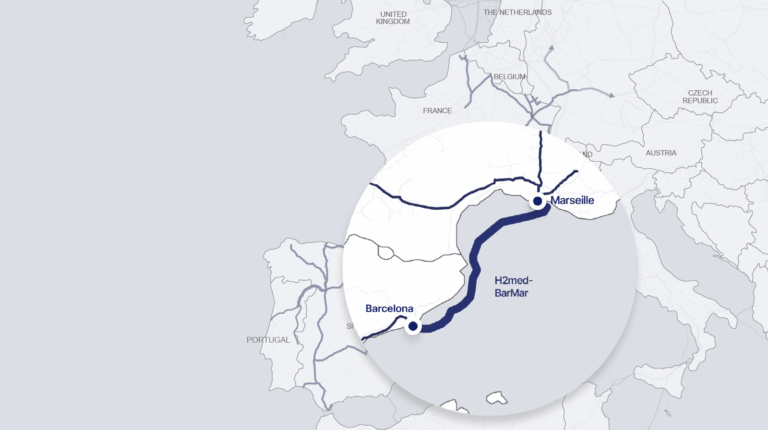
BarMar is a 400-kilometer offshore hydrogen pipeline connecting Barcelona, Spain, to the Fos industrial center near Marseille, France, with an annual transport capacity of 2 million tons of hydrogen.
The completion of the pre-FEED phase confirmed the overall technical feasibility and design basis for the project's compressor stations and pipeline. Based on preliminary results from the ongoing environmental impact assessment, the project has identified an advanced corridor route.
The FEED phase will integrate environmental and technical study results, along with feedback from the French and Spanish public consultations concluding this month, to proceed with the final technical architecture design. In France, the coordinating guarantor will issue a feedback report containing recommendations, which the project promoters will consider.
Work in this phase will focus on supporting the confirmation of pipeline design and final route, completing the layout of compressor stations, preparing permit documents, and determining the technical specifications required for construction preparation and material procurement.
The next step will involve awarding contracts for FEED engineering and detailed offshore marine surveys. The FEED studies will also provide the technical basis for partners and investors to make a final investment decision (FID) before construction begins, with the commercial operation date set for 2032.
BarMar is part of the H2med project, the EU's first large-scale green hydrogen corridor. This project aims to connect the hydrogen network of the Iberian Peninsula with those of France, Germany, and Northwestern Europe, enabling Europe to access affordable renewable hydrogen by 2030.
BarMar CEO Francisco de la Flor stated that the project is transitioning from feasibility studies to concrete industrial modeling, a key step in supporting Europe's decarbonization goals. H2med has been designated by the European Commission as a Project of Common Interest (PCI) and an Energy Highway, with a target to become operational by 2032, provided it meets all regulatory conditions.
Under the special funds allocated by the European Commission in January 2025 through the Connecting Europe Facility (CEF), the H2med-BarMar project received over 28 million euros in funding for engineering studies, promoter investments, marine and environmental survey activities, as well as all work required for the environmental impact assessment and obtaining necessary permits.
Related Products

Microcomputer Protection and Substation Automation
Beijing Agent Devote Power Technology Development Co., Ltd.

G.652.D Wavelength-extended Non-dispersion Shifted Single-mode Optical Fiber
HONGAN GROUP CO., LTD.
TAI Slew-drive Single-axis Independent 1P Tracking Bracket System
ANTAI TECHNOLOGY CO., LTD.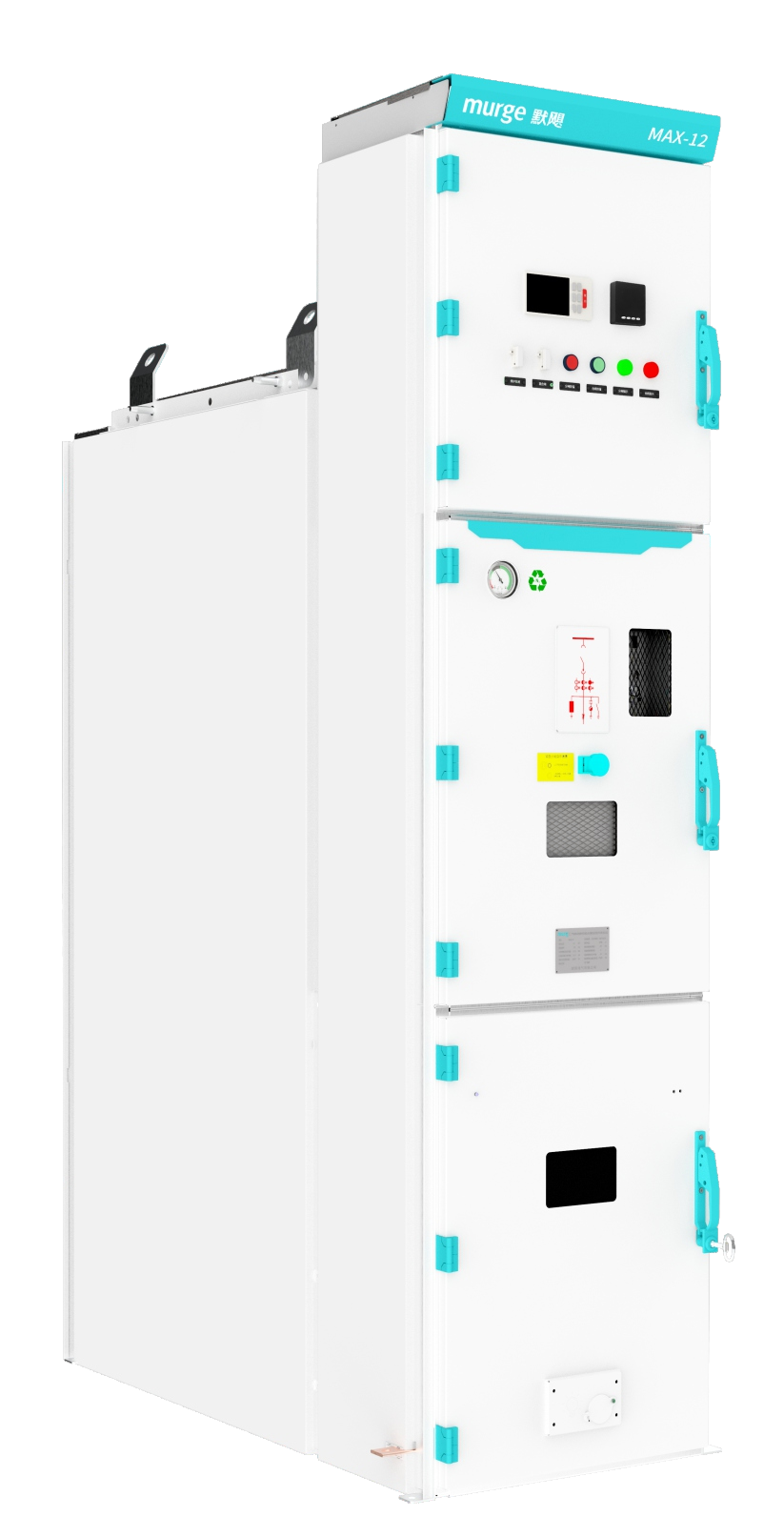
MAX-12 series Environmental Protection/SF6 gas insulated switchgear (C-GIS)
Murge Electric Co.,Ltd.