Romania's OMV Petrom Refinery Green Hydrogen Capacity Increases to 55 MW
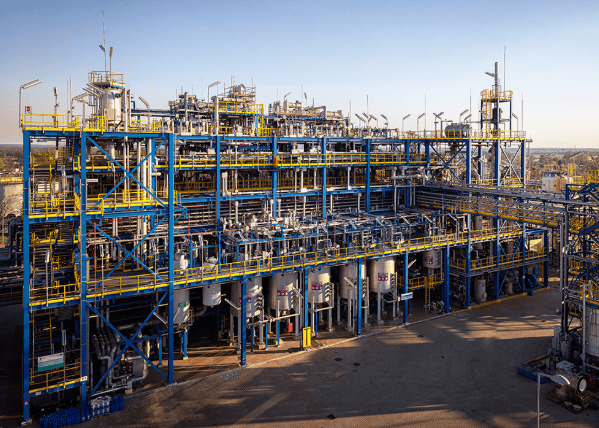
en.Wedoany.com Reported - All seven modules of the 35 MW green hydrogen electrolyzer at the Petrobrazi refinery, operated by OMV Petrom, the largest integrated energy producer in Southeast Europe, have been delivered. This electrolyzer is the second green hydrogen production unit at the refinery, bringing Petrobrazi's total installed green hydrogen capacity to 55 MW, alongside the previously announced 20 MW unit.
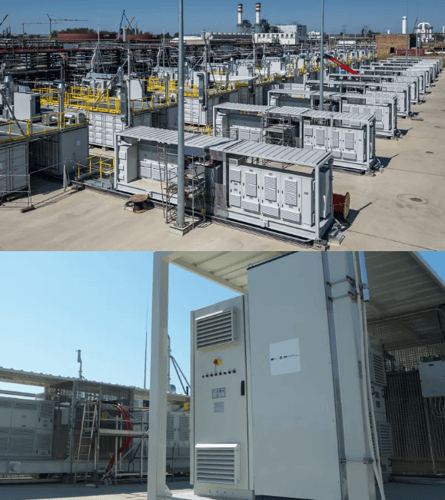
"The 55 MW green hydrogen capacity is a significant step for the Petrobrazi refinery," said Radu Căprău, member of the OMV Petrom Executive Board responsible for Refining and Marketing. Green hydrogen will be used in refining processes, including the production of sustainable aviation fuel (SAF) and hydrotreated vegetable oil (HVO), helping to reduce emissions from these fuels compared to conventional alternatives. The company is also advancing a 250,000-tonne-per-year SAF/HVO unit, which upon completion will make OMV Petrom the first major sustainable fuel producer in Southeast Europe.
The seven electrolyzer modules for the second green hydrogen project were supplied by Germany's Neuman & Esser, each with a capacity of 5 MW. These modules have been delivered to Petrobrazi over the past two months and are currently being integrated into the refinery's infrastructure.
Construction, logistics, component manufacturing, and module assembly at the Petrobrazi site are being carried out by Kraftanlagen Romania in collaboration with local suppliers. The 35 MW project has received approximately €29 million in non-repayable financing through Romania's National Recovery and Resilience Plan (PNRR).
Once operational, the 35 MW project is expected to produce approximately 4,700 tonnes of green hydrogen annually using renewable electricity, to be used by the new SAF/HVO unit under construction at Petrobrazi.
The two green hydrogen projects have a combined installed capacity of 55 MW, producing approximately 8,000 tonnes of hydrogen per year in total. The hydrogen will be used in refining processes and in the production of SAF and HVO fuels made from vegetable oils and waste oils. Such fuels can reduce carbon dioxide (CO₂) emissions by at least 65% over their entire lifecycle and are compatible with existing infrastructure.
Related Products
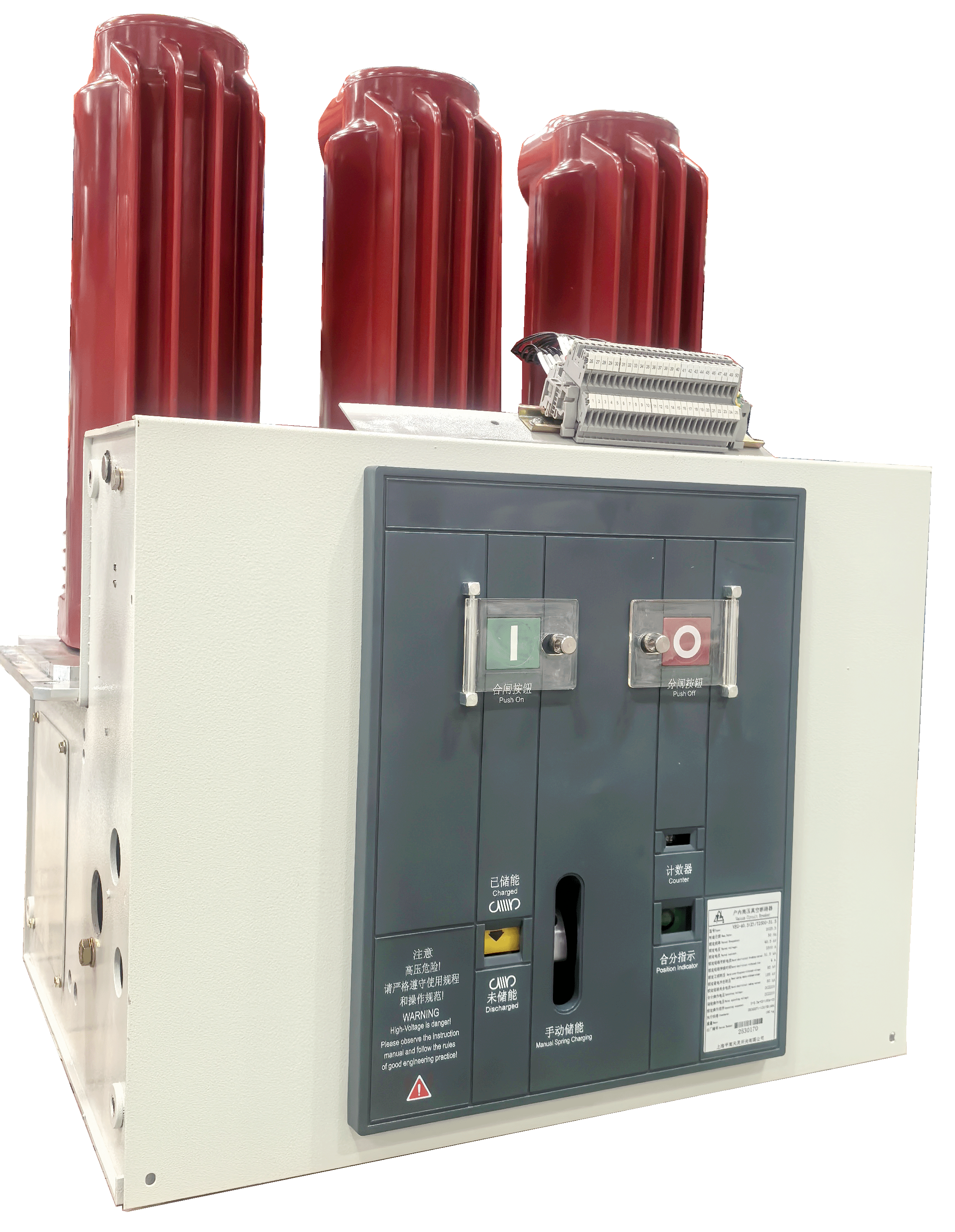

VEG-12/24/40.5 Series Vacuum Circuit Breaker
SHANGHAI PINGGAO TIANLING SWITCHGEAR CO., LTD.
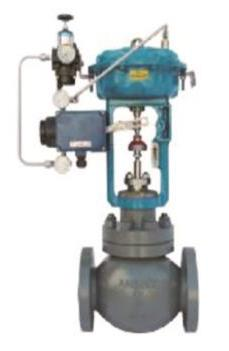
Quick-Change Single-Seat Control Valve / Quick-Change High-Pressure Single-Seat Control Valve
Beijing Consen Automation Technology Co., Ltd.
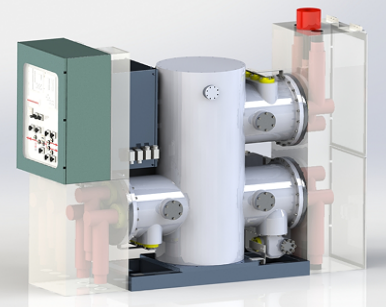
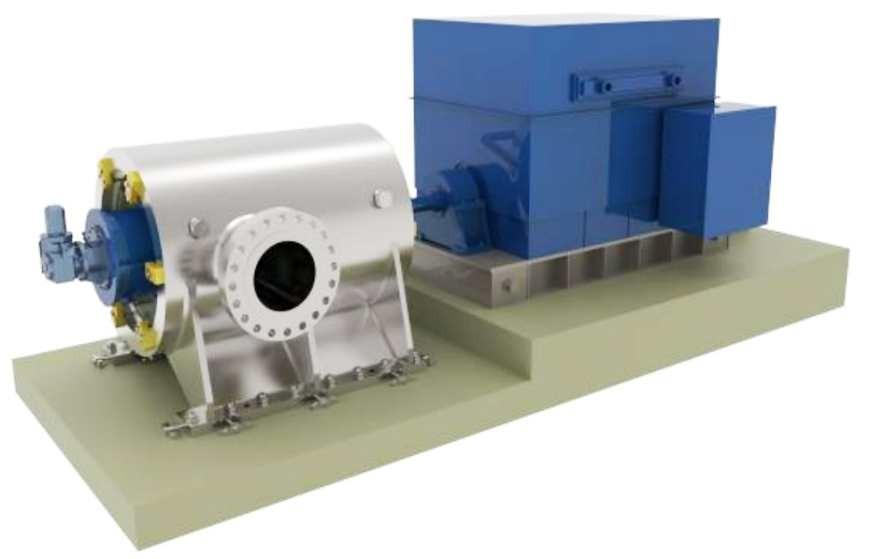
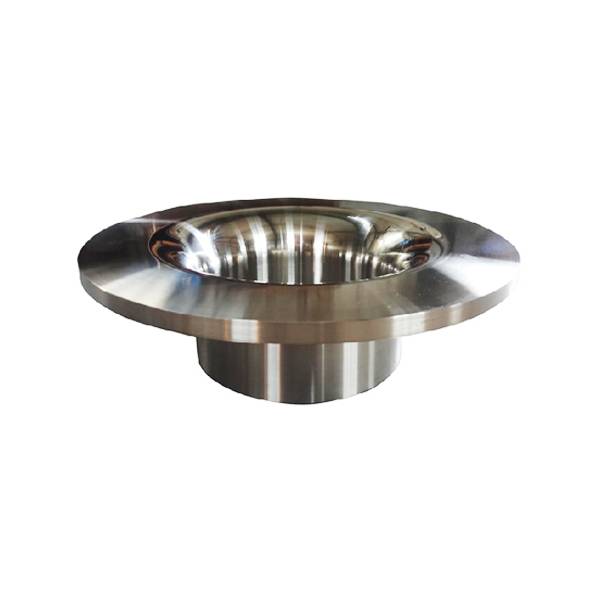
Standard Nozzle Flowmeter
Jinggong Automatic Control Instrument Complete Technology Development Company
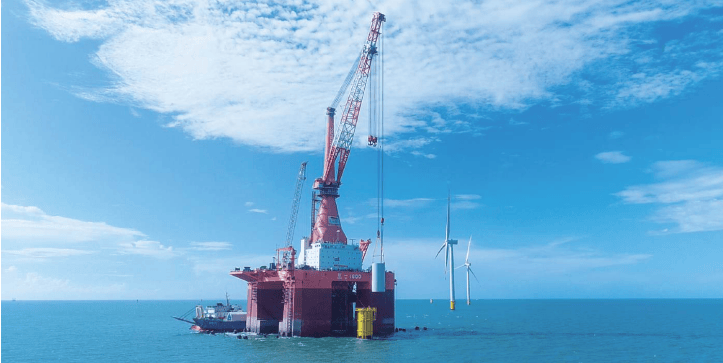
"Shunyi 1600" Deep-submerging Bottom-sitting Multi-functional Wind Power Engineering Vessel
Zhengli Offshore Engineering Co., Ltd.
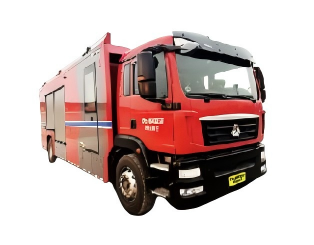
Modular Multifunctional Water Supply and Drainage Vehicle (18T)
Changsha Dewater Machinery Technology Co., Ltd.