Norway's GMI Expands Hydrogen-Powered Bulk Carrier Plans to Four Vessels
en.Wedoany.com Reported - Norwegian hydrogen shipping company Green Maritime Infrastructure (GMI) Group has expanded its hydrogen-powered bulk carrier plans from two to four vessels, having signed contracts for two additional newbuilds at India's Chowgule shipyard.
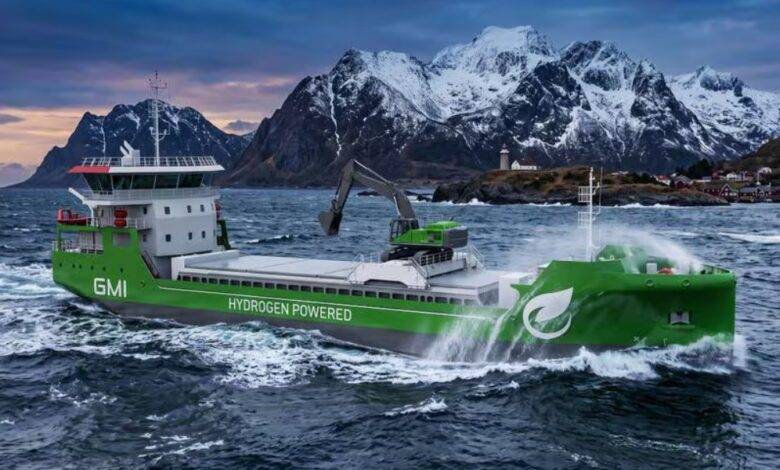
The two additional vessels, each with a deadweight tonnage of approximately 3,000 tonnes, will join the two 4,000-dwt vessels previously ordered at Turkey's Gelibolu shipyard to form a four-vessel fleet. The first vessel in the quartet is expected to enter service along the Norwegian coast next year.
All four vessels will adopt a propulsion solution combining compressed hydrogen and fuel cells, and will be used for coastal transport operations, carrying cargoes including asphalt, gravel, and other construction materials. GMI has secured cargo transport contracts with NordAsfalt and Veidekke.
The contract price for the two vessels at Chowgule shipyard has not been disclosed, with industry sources estimating the latest per-vessel cost to exceed NOK 300 million (USD 32 million). Based on this estimate, GMI's total hydrogen investment across the four vessels has surpassed NOK 1 billion (USD 107 million).
Public funding accounts for a significant share of this investment. Norwegian energy agency Enova has awarded NOK 137 million (USD 14.7 million) in grants for each of the two India-built vessels; the two vessels at the Turkish shipyard previously received NOK 90 million (USD 9.6 million) and NOK 85 million (USD 9.1 million) in funding, respectively. Enova's total support for the four confirmed vessels amounts to NOK 449 million (USD 48 million).
Enova has also reserved NOK 201 million (USD 21.5 million) and NOK 202 million (USD 21.6 million) for two additional potential GMI vessels, though no investment decisions have been made on these optional projects to date.
GMI Chairman Per Olav Myrstad stated that changes in Norwegian public procurement policy were a key factor behind the latest two-vessel deal. The Norwegian Public Roads Administration has introduced an incentive mechanism that pays NOK 7.50 per kilogram of CO2 avoided to suppliers who can deliver asphalt with lower transport emissions, providing a direct economic incentive for shippers of zero-emission shipping.
GreenH will supply hydrogen for these vessels and is building bunkering infrastructure along the Norwegian coast. The first refueling facility to serve the fleet is expected to be completed in Bodø in 2027, with bunkering points later expanding to Kristiansund and Slagentangen in the Oslofjord, among other locations.
Industry media Splash first reported on the project in June last year, when Møre Sjø ordered the first two vessels at Gelibolu shipyard. The two 4,000-dwt vessels were designed by Naval Dynamics, with German systems integrator eCap Marine responsible for the onboard hydrogen systems. Swedish fuel cell supplier PowerCell subsequently secured a contract worth SEK 40 million (USD 4.2 million) to supply 14 Marine System 225 units for the vessels.
The first two vessels will feature a combination of high-pressure hydrogen systems, battery storage, and electric propulsion. Bureau Veritas is responsible for vessel classification, with the ships measuring 88.7 meters in length and 14.2 meters in beam, designed for heavy dry bulk transport under the Norwegian flag.
The project was consolidated last year into the newly established shipping platform GMI Group, headquartered in Ørsta. The business brings together Møre Sjø founders Torstein Holsvik and Asgeir Standal with several Norwegian maritime industry investors, with former Aker CEO Leif-Arne Langøy as the largest shareholder, holding approximately 27%.
Related Products

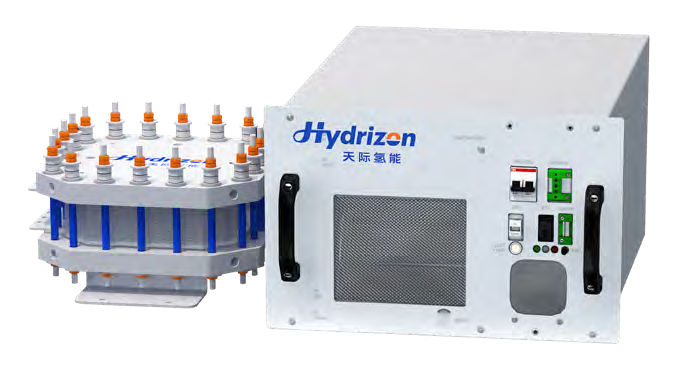
HI-Pro Green Hydrogen High-efficiency Production System-HI-PRO-AEM
Hydrizon Technology (Beijing) Co., Ltd.
Hydrogen production and hydrogenation charging refueling gas integrated energy station
Shenzhen Kohodo Hydrogen Energy Co., Ltd.
High-voltage Direct Current (HVDC) Transmission System Research and Integrated Design
XI'AN XD POWER SYSTEMS CO., LTD.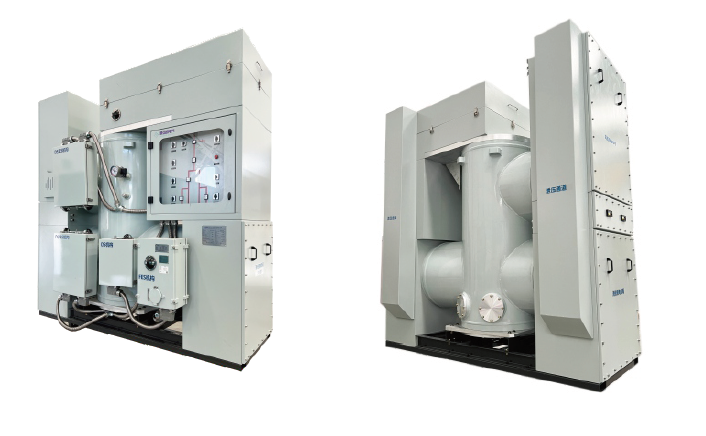
72.5kV 1250A 31.5kA SF6 free Gas-insulated Metal-enclosed Switchgear
Zhejiang Juhonkia Intelligent Electric Co., Ltd.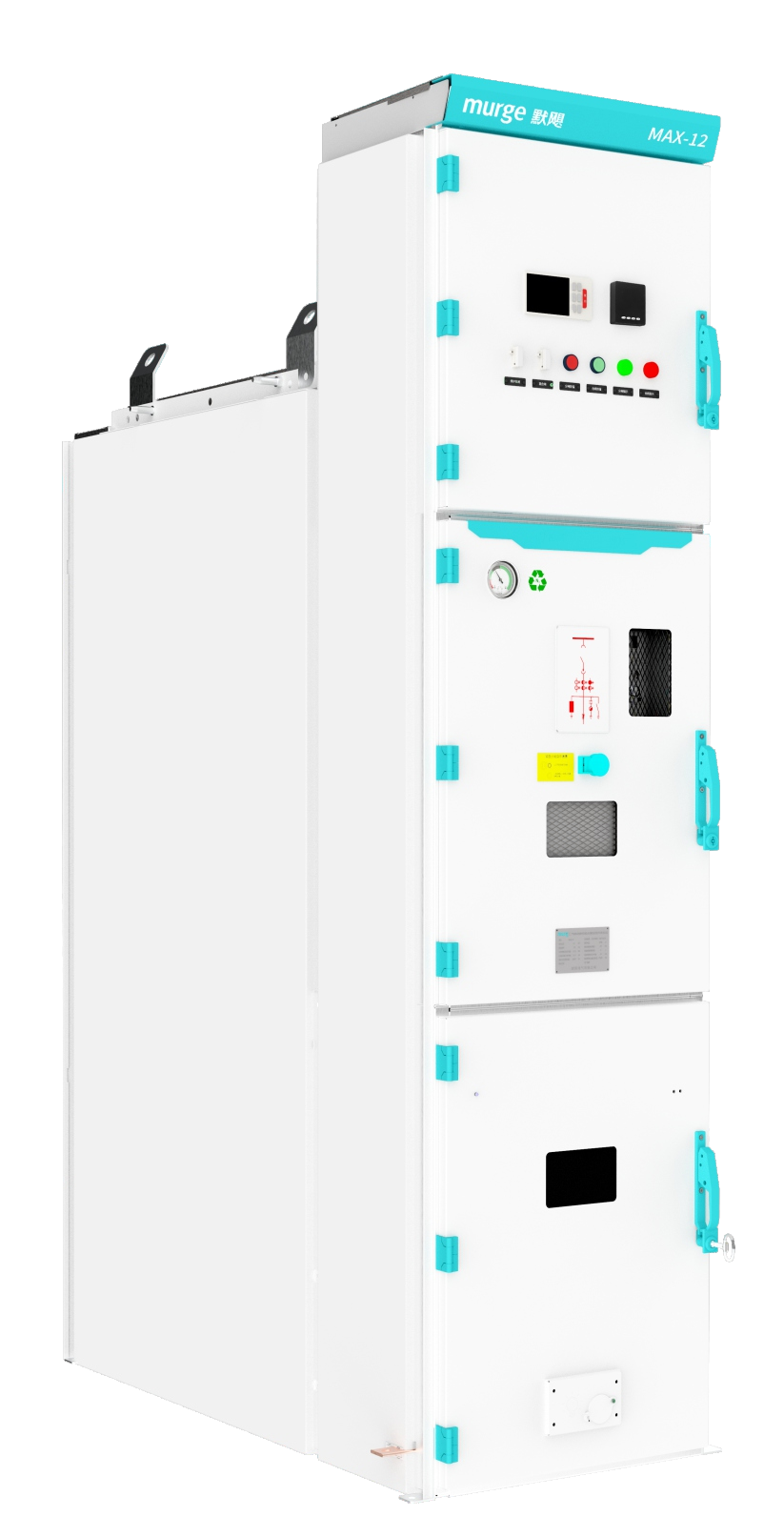
MAX-12 series Environmental Protection/SF6 gas insulated switchgear (C-GIS)
Murge Electric Co.,Ltd.