Namibia's Cmb-Tech Commissions Africa's First Fully Integrated Green Hydrogen Facility with 5 MW Electrolyzer
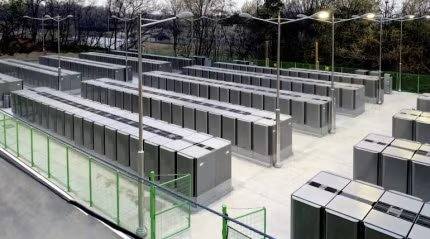
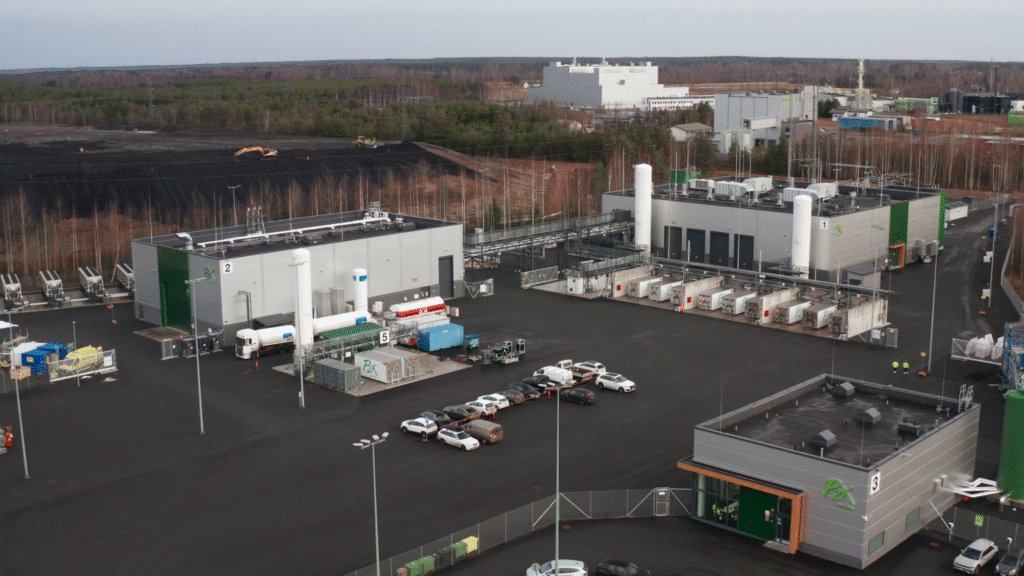
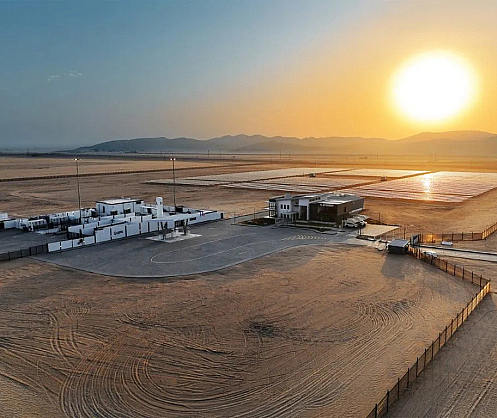
en.Wedoany.com Reported - Cmb-Tech's green hydrogen facility in Walvis Bay, Namibia, has officially commenced operations. The project was developed in partnership between Cmb-Tech and Namibian company Ohlthaver & List Group, covering 6.5 hectares with approximately 7,000 solar panels installed, equipped with 5 MW off-grid solar power, a 5 MW proton exchange membrane (PEM) electrolyzer, and 5.9 MWh battery energy storage. According to the developer, this is Africa's first fully integrated green hydrogen facility. The hydrogen produced at the facility will be used for dual-fuel trucks and generators, with future plans to expand into rail and maritime applications. As one of the first offtakers, CMB.TECH plans to test a hydrogen-powered freight locomotive at the facility. Siemens provided the integrated electrical, automation, and safety systems for the project, which also includes a hydrogen refueling station and a training center. Cmb-Tech stated that the project plans to first expand to 250 MW, then further to 500 MW, with the potential to produce green ammonia for maritime use in the future. The commissioning of this facility adds new momentum to Namibia's emerging hydrogen industry, with HyIron's Oshivela project having commenced green hydrogen production in March 2025, powered by a 25 MW solar plant and equipped with a 12 MW electrolyzer.
Researchers at Tohoku University in Japan, in their study of photocatalytic water splitting, combined iron oxide doped with approximately 1% titanium with rhodium-doped strontium titanate (a hydrogen-producing photocatalyst) and observed a water-splitting reaction occurring in the system. Electrochemical measurements indicated that titanium doping reduced the resistance of iron oxide and improved its n-type semiconductor properties, facilitating the separation of photogenerated electrons and holes, thereby achieving water-splitting activity.
Researchers at the University of Nottingham in the UK investigated the microstructure of metal machining chips generated during manufacturing processes, exploring their potential as substrates for hydrogen-producing catalysts. Using advanced imaging techniques, the team observed nanoscale grooves and ridges on the surfaces of discarded stainless steel, titanium, and nickel alloys, which can serve as anchoring sites for precious metals. The researchers deposited small amounts of platinum onto the waste metals to create electrocatalysts capable of splitting water into hydrogen and oxygen.
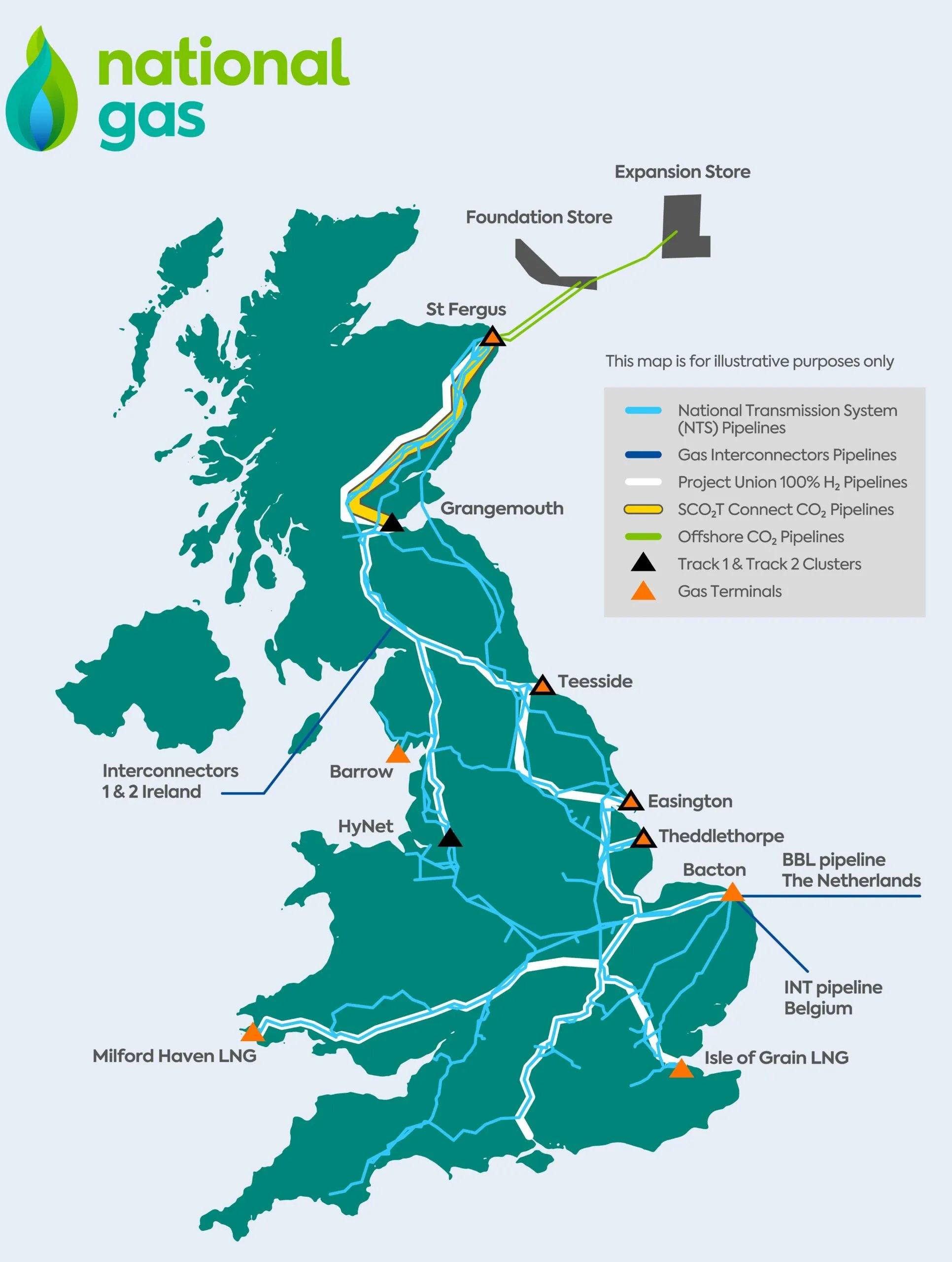
A study by Durham University in the UK found that suitable depleted North Sea oil and gas fields could provide 3,659 TWh of hydrogen storage capacity, equivalent to more than seven years of the UK's projected electricity demand in 2040. The researchers stated that utilizing these oil and gas fields for hydrogen storage could also enable conventional gas-fired power plants to exit the UK's electricity system by 2040. Current UK hydrogen storage plans are primarily focused on salt caverns and do not take depleted oil and gas fields into consideration.
A research team at Seoul National University of Science and Technology (Seoultech) in South Korea has developed an artificial intelligence-based control scheme that improves the hydrogen production efficiency of solid oxide electrolysis cell systems by 14% and reduces peak internal temperature by 80%. This method uses machine learning to identify the most informative simulation conditions, reducing the computational resources required to determine favorable operating conditions while limiting thermal stress that affects equipment lifespan.
Related Products
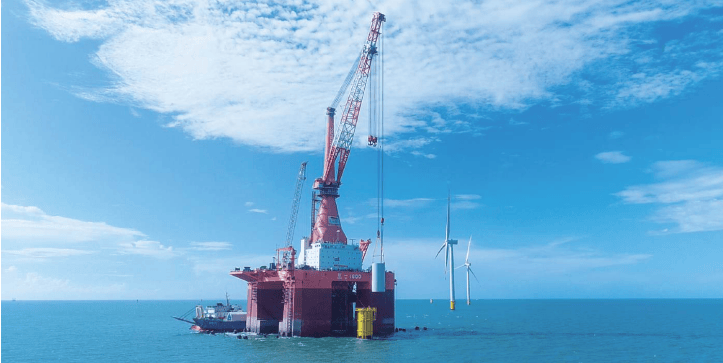

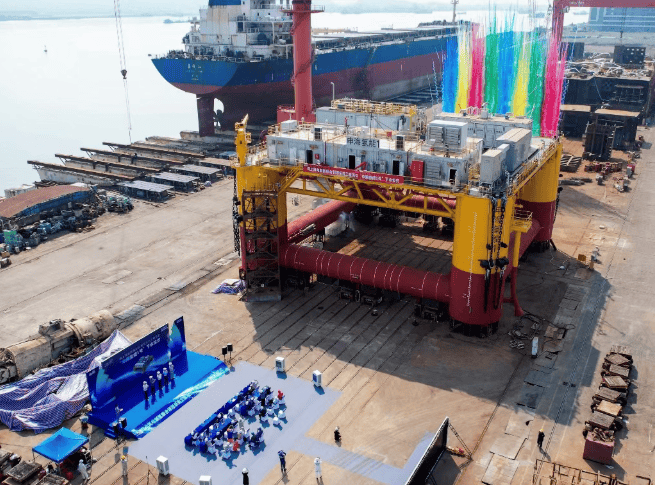
"Shunyi 1600" Deep-submerging Bottom-sitting Multi-functional Wind Power Engineering Vessel
Zhengli Offshore Engineering Co., Ltd.
Hydrogen Production Technology: Hydrogen Purification by Pressure Swing Adsorption
Chengdu Yizhi Technology Co., Ltd.
Ultrasonic Wind Speed and Direction Instrument
Kingmach Measurement & Monitoring Technology Co., Ltd.