Ammobia and Lummus Partner to Promote Low-Carbon Ammonia, Output Could Rise 58% by 2033
en.Wedoany.com Reported - Ammobia has reached an agreement with Lummus Technology, under which Lummus will be licensed to deploy Ammobia's ammonia production systems. This collaboration means Ammobia's production technology will enter global commercial units, while also being used in integrated solutions that complement Lummus's hydrogen portfolio, with applications spanning marine fuel as well as energy storage and transportation. Ammobia's "Haber-Bosch 2.0" process thus becomes the first ammonia technology in Lummus's portfolio.
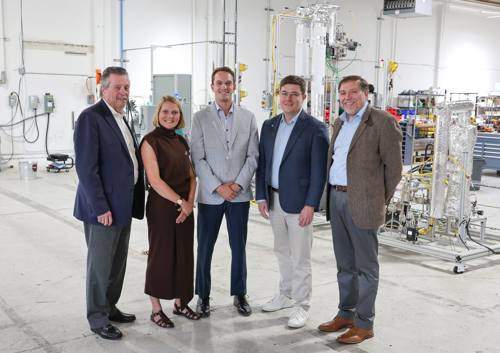
This collaboration focuses on reshaping the economics of ammonia production, aiming to bring capital-efficient synthesis loops to global scale. Lummus has decades of experience in developing new technologies from initial concept to commercial scale, with expertise in reactor, process, and thermal design. By combining Ammobia's capital-efficient synthesis loop (synloop) with Lummus's engineering capabilities, technical expertise, and global network, a low-risk, financeable production pathway is provided for high-demand applications such as power generation.
Karen Baert, co-founder and CEO of Ammobia, stated that Ammobia has changed the economics of producing ammonia from any energy source, and achieved this through a modular approach rather than the world-class mega-plants that have defined the industry for a century. Customers can add capacity through new projects or by upgrading existing operating sites. Lummus brings the engineering rigor, project delivery capability, and global relationships needed for deployment, allowing Ammobia to focus on advancing its core process. Together, they will make new applications of ammonia—from flexible power to clean marine fuel—commercially viable.
Developers and operators can deploy Ammobia's technology through Lummus, with the option to use integrated solutions that embed Ammobia within Lummus's hydrogen product portfolio. Lummus's extensive and proven performance and yield guarantees, combined with Ammobia's standardized modular design, can de-risk plant development, resulting in low-risk and financeable projects. Ammobia's redesigned synthesis loop significantly reduces the initial capital expenditure required and lowers overall ammonia production costs, eliminating the need for billion-dollar investments. The synthesis loop can use any energy source, and Lummus's hydrogen technologies cover a variety of feedstocks, allowing customers to build around the cheapest or most abundant local energy, including a range of mature and emerging natural gas reforming and electrolyzer technologies, as well as geologic hydrogen and renewable energy. Ammobia's replicable design, combined with Lummus's engineering and project execution capabilities, enables rapid delivery of new units to global customers while reducing the time and risk associated with traditional ammonia projects. Mid-scale modular plants and retrofit projects using Ammobia's design, guaranteed and delivered by Lummus, create a new pathway for capacity addition beyond the mega-projects that have long defined the ammonia industry.
Leon de Bruyn, President and CEO of Lummus Technology, stated that Lummus has a long track record of partnering with innovators to scale breakthrough technologies to meet the evolving demands of the global energy market. Ammobia's technology is a significant addition to Lummus's portfolio and an important advancement for the industry. This solution has the potential to transform ammonia production into a more economical and lower-carbon form, supporting emissions reduction in the shipping industry and significantly lowering project costs.
Ammonia demand growth has far exceeded its traditional chemical uses. Ammonia forms the basis of 70% of fertilizers, which feed half of the world's population. Grand View Research projects that ammonia production will grow by 58% by 2033, driven by emerging demand for ammonia as a marine fuel and for power generation.
Ammobia's technology is designed to serve all of these end markets. The collaboration with Lummus focuses on power generation opportunities, and the two companies will work together to scale projects to market. Ammobia will continue to advance its technology in other major ammonia sectors, including fertilizers and industrial production.
In energy storage and transportation, ammonia is one of the most practical ways to import and store low-carbon energy using existing infrastructure, providing resilient energy to Europe, Japan, and South Korea. Ammobia's low-cost synthesis makes ammonia significantly more economical as a carbon-free fuel for power generation—an emerging source of demand.
In marine fuel, ammonia has become a promising low-carbon shipping fuel, with a related fleet taking shape. As of June 2026, 441 vessels on order or already launched are ammonia-ready or ammonia-fueled. As this fleet expands, the main challenge becomes securing cost-competitive supply. Ammobia's production technology helps meet ammonia bunkering demand at prices competitive with conventional marine fuels.
In fertilizers, agriculture remains the largest market for ammonia (by volume), and modular production helps position plants closer to where the product is used, reducing reliance on long-distance, centralized supply chains. Ammobia's plant design is suited for regional siting, thereby reducing supply chain risk.
The two companies will begin identifying the first commercial projects in the coming months, prioritizing power generation and marine fuel.
Related Products
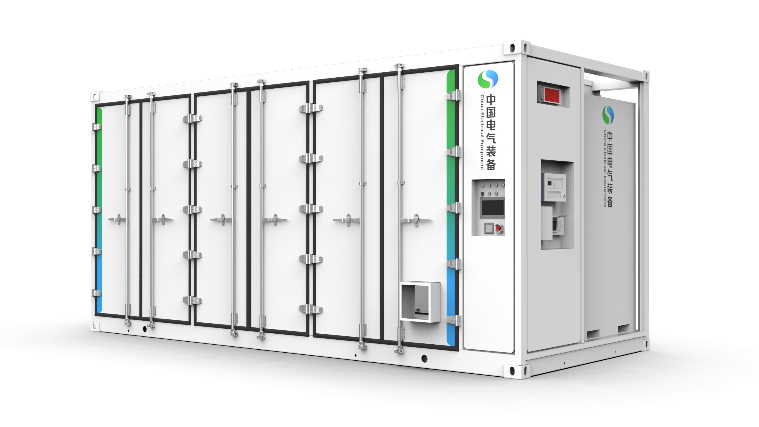

MESS8201-2507/5015-BN Prefabricated Liquid-cooled Energy Storage Battery Container
Xuchang Xuji Electric Science Energy Storage Technology Co., Ltd.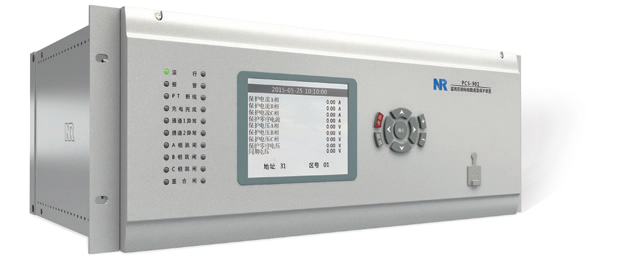
PCS-901 Series Ultra (Extra) High-voltage Transmission Line Complete Protection Device
Nanjing NR Electric Co., Ltd.
Forest and Grassland Heat Source Infrared Monitor
China Huayun Meteorological Technology Group Co., Ltd.
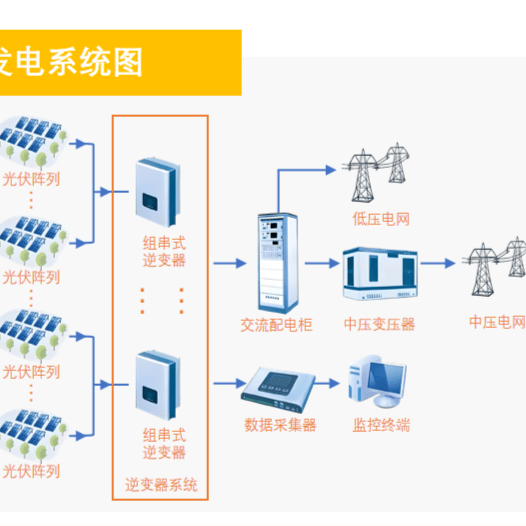
Photovoltaic and Wind Power Generation Technology
Beijing Boqi Electric Power SCI-TECH Co., Ltd.
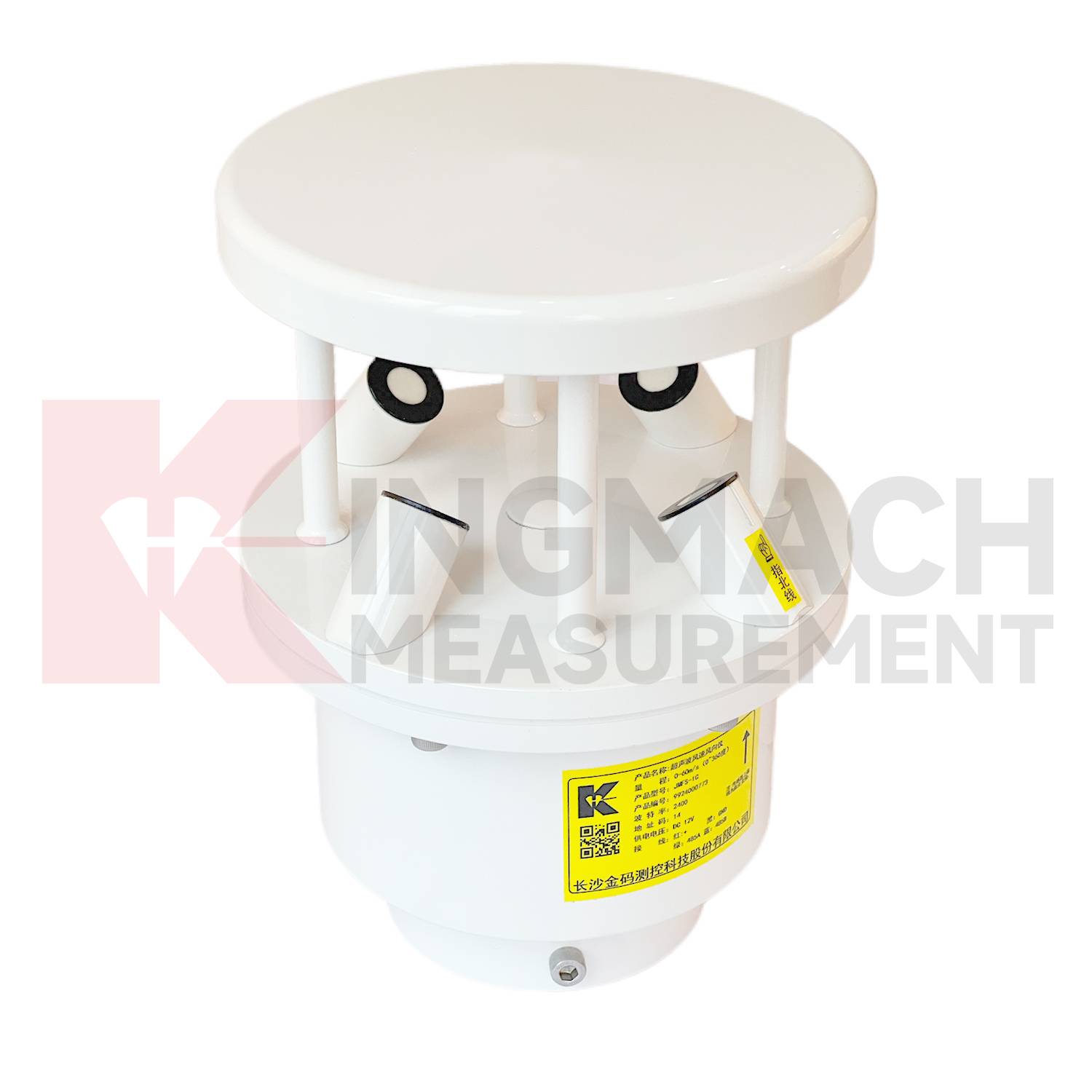
Ultrasonic Wind Speed and Direction Instrument
Kingmach Measurement & Monitoring Technology Co., Ltd.