Brazil's Grain Ethanol Expansion: 27 New Projects by 2026, Processing Approximately 20.9 Million Tons Annually
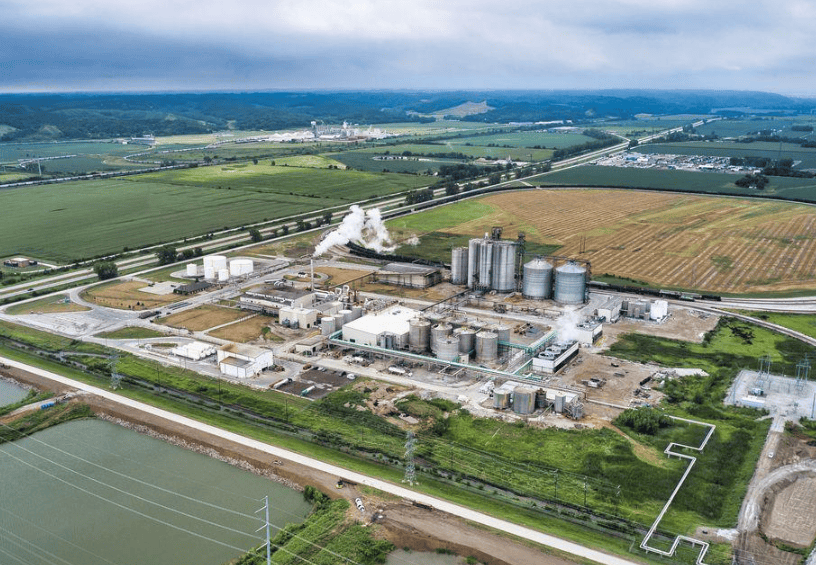
en.Wedoany.com Reported - Brazil's grain ethanol industry is expanding from traditional corn-producing regions into new agricultural frontiers, driving plant locations closer to areas with grain production growth potential and opening space for alternative feedstocks such as sorghum. According to industry statistics, Brazil currently operates 29 corn ethanol plants with a combined annual processing capacity of approximately 20.9 million tons of corn, producing around 10.6 billion liters of ethanol per year. A 2026 industry survey shows that 27 new projects are in the development stage for the coming years.
The rise of corn ethanol stems from the need to reduce the impact of logistics on grain prices. Agronomist Enilson Nogueira, a consultant at Céleres market intelligence firm, explains that corn ethanol emerged as a value-adding strategy for local grain—converting grain into ethanol on-site rather than exporting it directly, thereby strengthening internal production chains and creating new economic opportunities locally. This model initially gained momentum in places like Campo Novo do Parecis in inland Mato Grosso, then expanded along the BR-163 highway, a region that concentrates some of Brazil's largest corn ethanol production units. The installation of plants has allowed part of the second-crop corn surplus to be converted into fuel, reducing the need to transport large volumes of grain to other markets.
Proximity to consumption centers also constitutes a competitive advantage. The Central-West and North-Central regions, which previously relied on ethanol supplied by states such as São Paulo, Goiás, and Minas Gerais, now have access to closer sources. Nogueira notes that gains in industrial efficiency have further strengthened competitiveness, with ethanol produced in Mato Grosso now reaching the São Paulo market and competing directly with sugarcane ethanol.
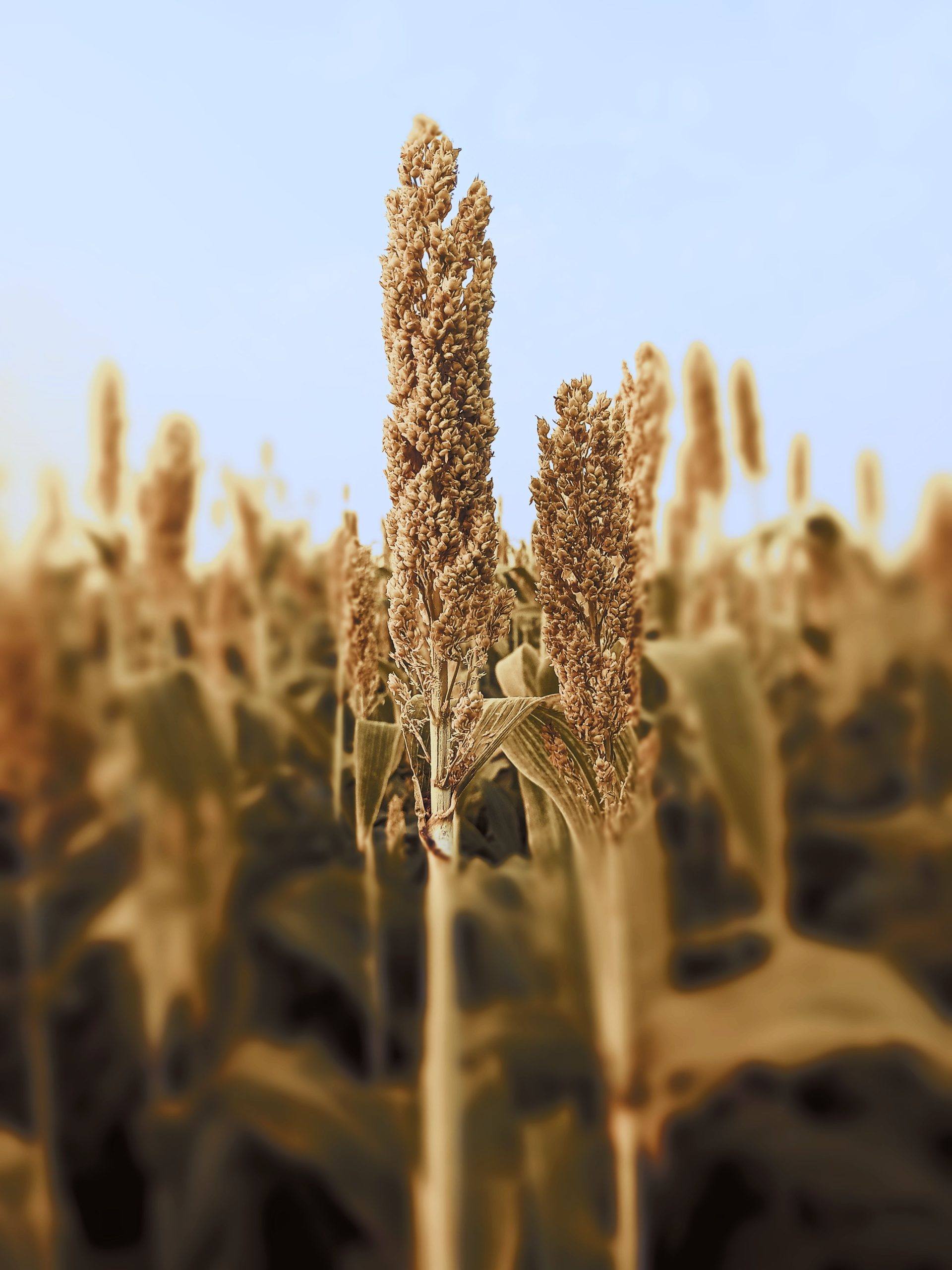
After the corn ethanol model was consolidated in Mato Grosso, the industry began to focus on regions with remaining grain production growth potential. The MATOPIBA region—comprising Maranhão, Tocantins, Piauí, and Bahia—has drawn attention in this context. Bahia already has one plant in operation, and Maranhão is also beginning to join the grain ethanol expansion movement. Nogueira believes that the climatic conditions and planting window stability in these new frontiers differ from those in traditional Central-West regions, making an exclusive bet on second-crop corn a relatively high-risk proposition. Sorghum has thus gained space, as it has greater tolerance to water stress and high temperatures and can be processed using an industrial logic similar to that of corn. Technical discussions and recent studies indicate that, with adjustments to industrial processes, ethanol yield per ton of sorghum can approach that of corn, and its by-products also possess characteristics suitable for animal nutrition.
The same logic applies to the Araguaia Valley in eastern Mato Grosso, particularly the area between Água Boa and Querência. Regions such as Campo Novo do Parecis, Lucas do Rio Verde, Sinop, and Sorriso have already developed mature corn production chains with well-structured markets and price formation, while the eastern part of the state more closely resembles a new agricultural frontier, where sorghum can serve as an alternative for growers facing greater climate risk and difficulty in establishing second-crop corn within the ideal planting window.
By-product utilization is another factor driving the consolidation of this model. DDG (dried distillers grains) plays an increasingly significant role in plant revenue composition and integration with other agricultural value chains. Depending on the business model, by-products can account for 20% to 30% of a plant's revenue and are used in cattle, poultry, and swine feeding. Nogueira describes that plants purchase corn, produce ethanol and DDG, and the by-products are used in regional livestock farming, creating a circular economy chain that strengthens the regional economy and adds value to local corn. This model also explains why plant installation generates impacts beyond the biofuel industry itself—creating a local market for grain consumption, stimulating agricultural production investment, improving commercialization structures, and driving livestock activities that use the by-products.
The industry perspective is shifting toward a more flexible feedstock mix. Since the production process utilizes starch from grains, plants can use different feedstocks as long as they are suitable for the industrial process. Nogueira believes it is now more appropriate to speak of grain ethanol—whether corn, wheat, or sorghum—as any starch-containing grain can be used to produce ethanol and by-products, giving the industry flexibility to adjust feedstock ratios based on prices, regional supply, productivity, climate conditions, and logistics. He suggests that existing corn ethanol plants could evolve toward grain biorefineries, using different grains depending on supply availability in different regions. For the industry, sorghum is a competitive feedstock, especially in regions where its price is typically lower than corn; for growers, sorghum offers an alternative in areas where second-crop corn planting carries greater risk.
Related Products
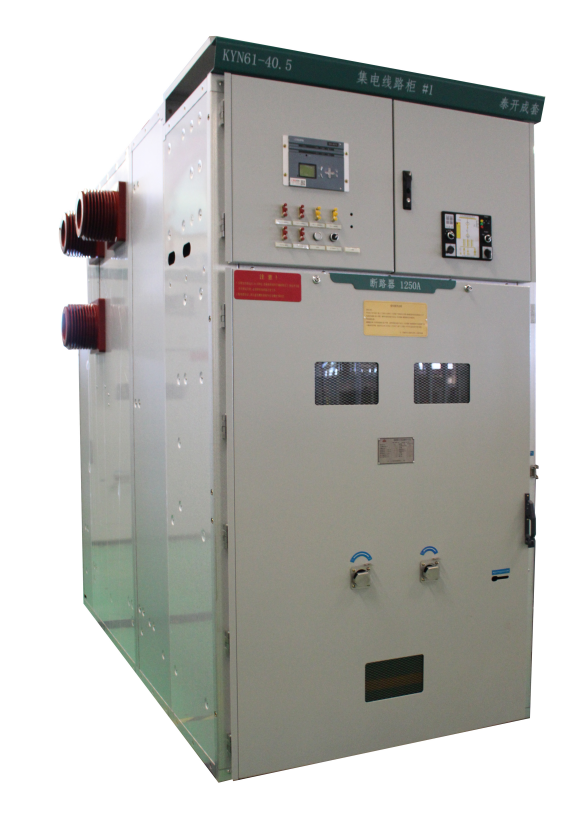


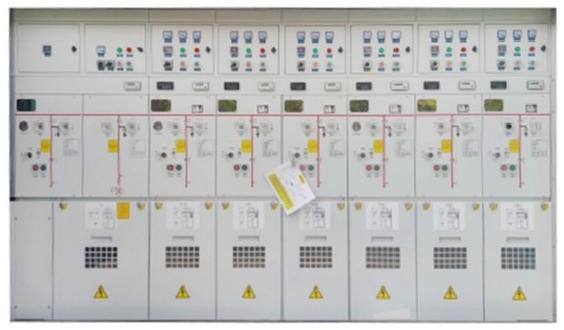
NISELA Series Environmentally Friendly Gas-Insulated Ring Main Unit
XJ DELISHIER ELECTRIC CO., LTD.
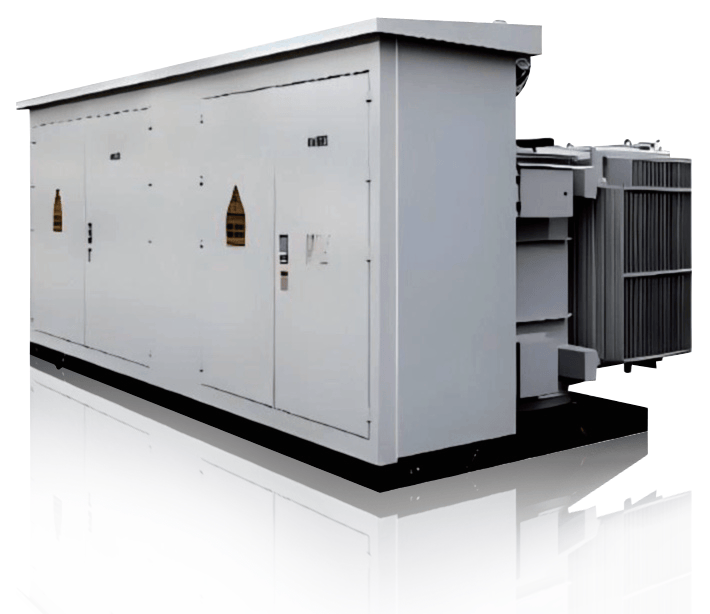
H-40.5/0.4~1.14kV New Energy Power Generation Dedicated High Voltage/Low Voltage Prefabricated Substation
XJ (Xiamen) Intelligent Power Equipment Co., Ltd.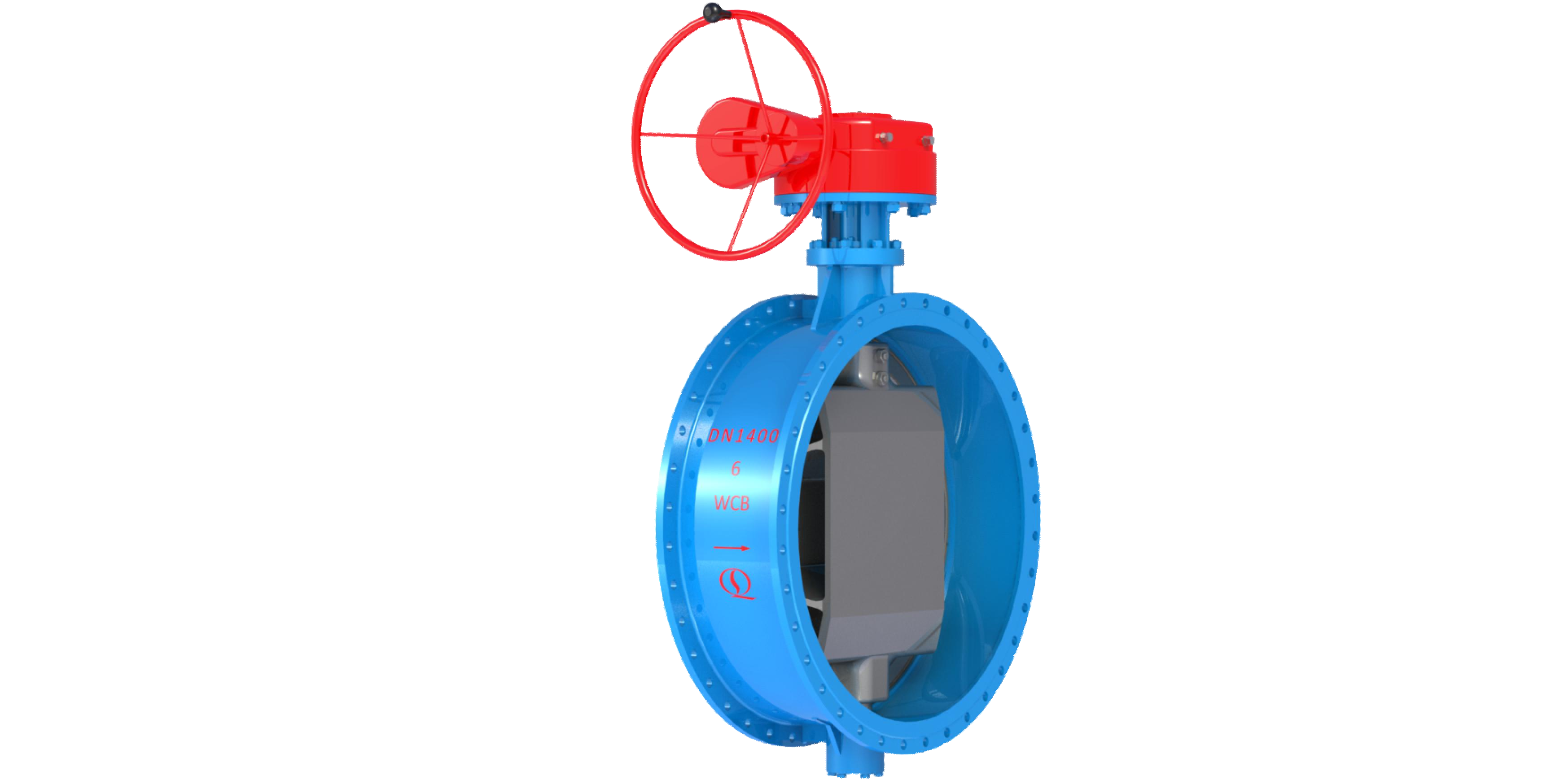
Bidirectional Metal Hard Sealed Seawater Butterfly Valve
Henan Quanshun Flow Control Science & Technology Co., Ltd.
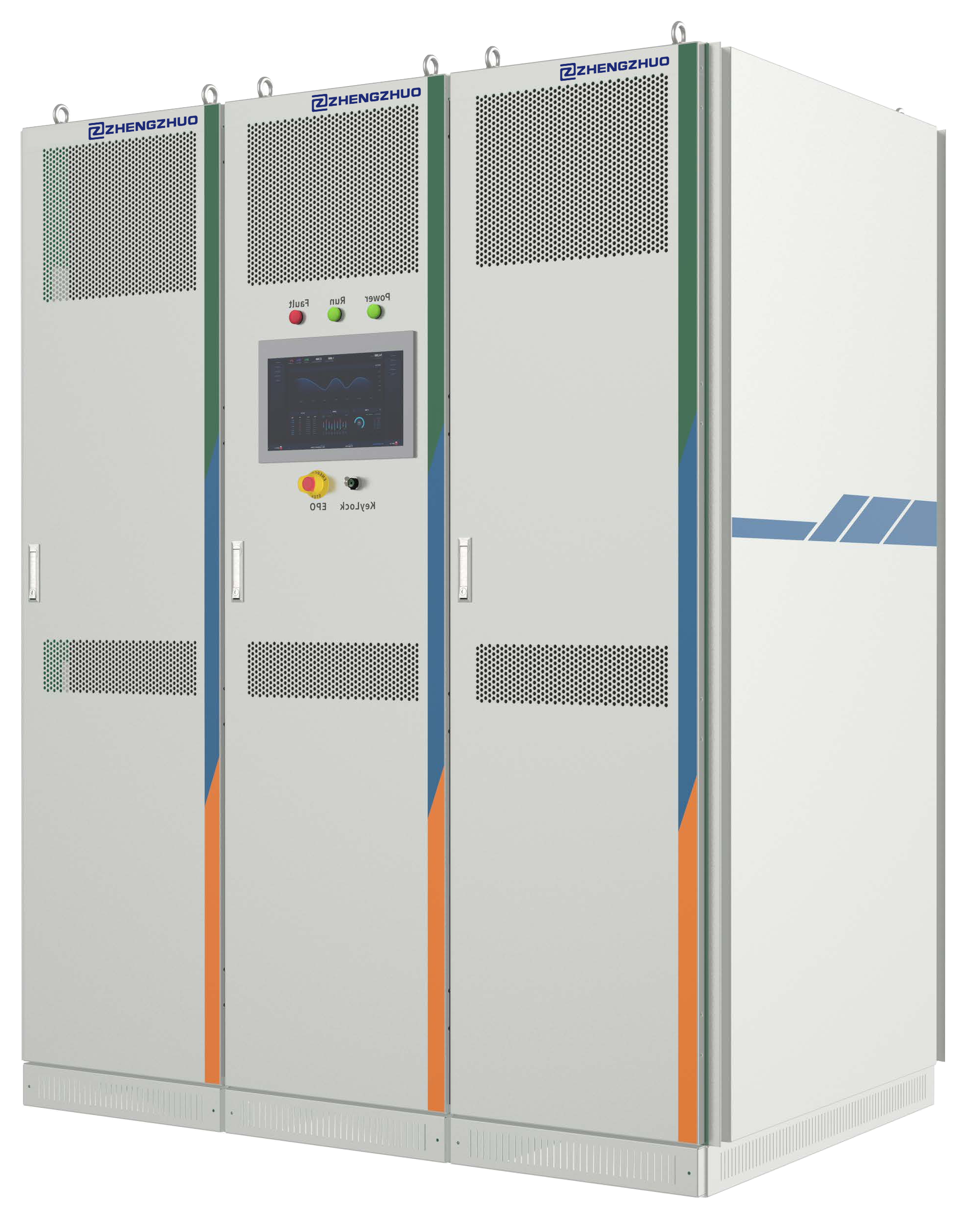
IGBT Hydrogen Production Power Supply - High Power Air Cooling
Beijing Zhengzhuo Engineering Technology Co., Ltd.

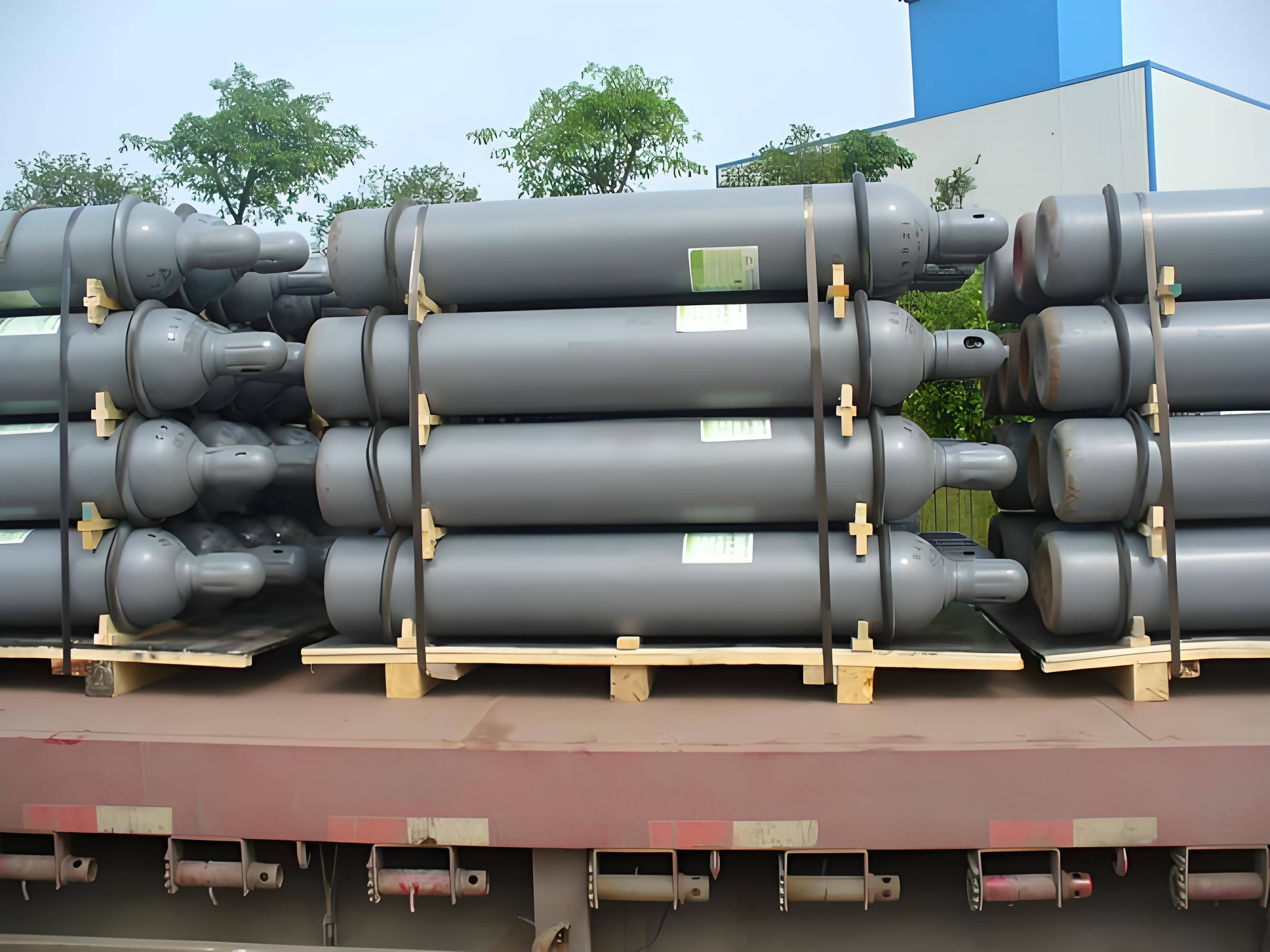
Global Sulfur Hexafluoride Gas Supply and Cylinder Export
Foshan Yuexin Industrial Gas Co., Ltd.