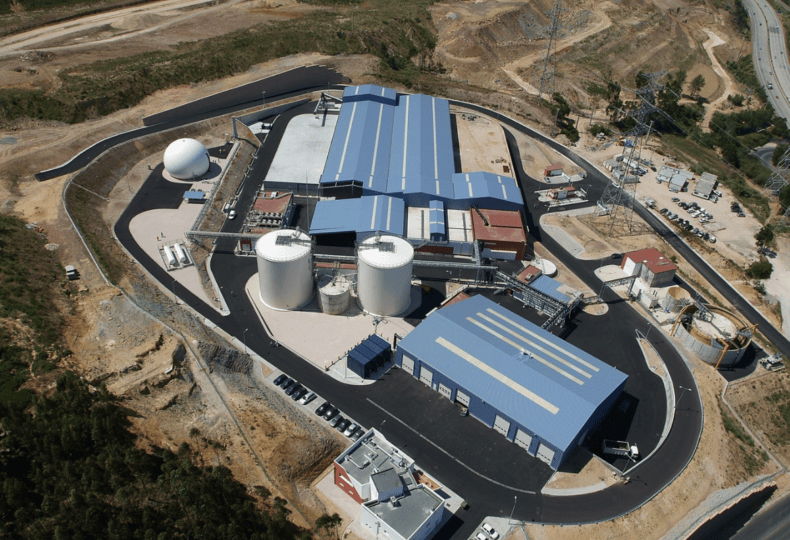
Global Biofuel Production Expected to Rise to 176 Million Tonnes of Oil Equivalent by 2030
en.Wedoany.com Reported - On September 21, the UK-based Royal Institute of International Affairs (Chatham House) released a biofuel research report completed in collaboration with the Forest Stewardship Council (FSC). According to the report's estimates, driven by the Gulf energy supply shock and higher fuel blending ratios in major producing countries, global biofuel production is projected to increase from approximately 105 million tonnes of oil equivalent in 2025 to 176 million tonnes of oil equivalent in 2030, a rise of about 68%. Brazil, China, India, Indonesia, the United States, and the European Union have all recently proposed or advanced higher biofuel blending requirements.
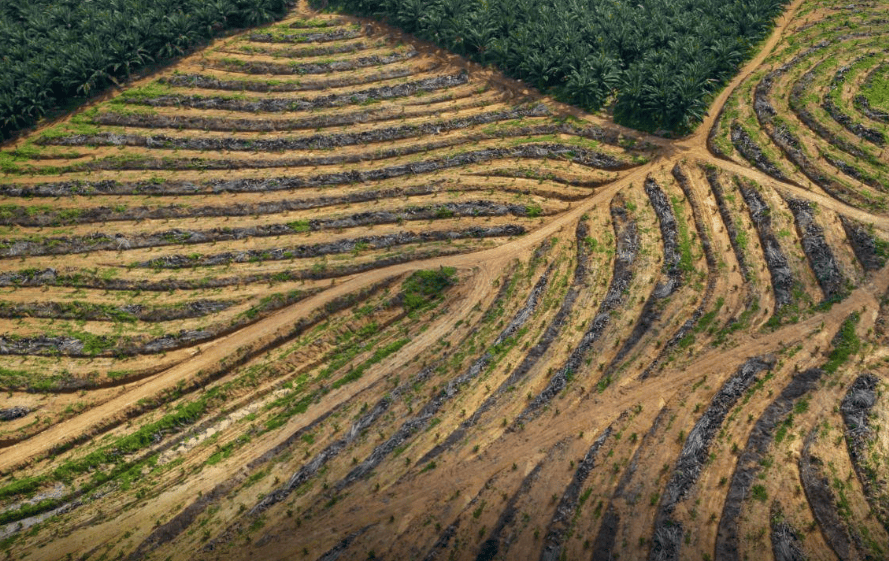
The report estimates that in 2023, approximately 32 million hectares of land worldwide were used to grow biofuel feedstocks, and under previous policy pathways, an additional 20 million hectares were already expected to be needed by 2030. If all recently announced policies and targets for expanding blending ratios are fully implemented, the additional land demand could expand to approximately 36 million hectares, bringing the total land area for biofuel feedstocks to about 68 million hectares. The FSC explicitly stated that the 36 million hectares is an estimate of additional cropland pressure under the policy scenario and does not mean that an equivalent area of forest would be directly cleared.
The additional demand across different markets is mainly concentrated in ethanol and biodiesel. In the United States, approximately 40% of corn demand is already used for ethanol production, and the latest federal target will further increase the scale of biofuel use, with production targets for biodiesel and renewable diesel rising by about 60%; India is increasing the use of corn and other food crops for ethanol production and has allocated an additional 5.2 million tonnes of rice for ethanol production; Indonesia continues to advance its biodiesel policy using palm oil as feedstock, with blending ratios moving toward 50%.
The study identifies feedstock structure as one of the constraints on expanding production. First-generation biofuels mainly use food and feed crops such as corn and sugarcane, and additional production capacity requires a simultaneous increase in agricultural feedstock supply; advanced biofuels made from feedstocks such as used cooking oil and agricultural residues can reduce additional cropland demand. The report proposes that new blending policies should prioritize waste, residues, increased production from existing or degraded land, and advanced biofuels, while strengthening land-use controls, supply chain traceability, and zero-deforestation requirements.
At the time the report was released, global crude oil prices had risen by nearly 40% compared with before the Gulf energy crisis broke out at the end of February, while sugar and corn prices rose by about 20% over the same period. The research team incorporated biofuel production expansion, oil prices, fuel supply security, and national blending policy adjustments into its 2030 scenario estimates.
Related Products


CAP1400 main feedwater flow nozzle flowmeter.
Jiangsu Hongda Instrument Technology Co., LTD.
KYN28 - High Voltage Switchgear
Anhui Tianying Electrical Equipment Manufacturing Co., Ltd.
KYN28-12/24 Indoor High-Voltage Metal-Clad Removable Switchgear
Shenzhen Zhaoyang Hui Technology Co., Ltd.


Electromagnetic Fluid Seawater Floating Oil Separation and Recover Equipment
Huate Magnet Group Co., Ltd.


220kV and Below Voltage Level Energy-saving Oil-immersed Power Transformers
FuZhou TianYu Electric Co., Ltd.

Industrial and Commercial Point-Type Gas Detector
Jinan Benan Technology Development Co., Ltd.