India's BPCL processes record 41.2 million tonnes of crude in FY 2025-26
en.Wedoany.com Reported - Bharat Petroleum Corporation Ltd (BPCL) achieved record highs in multiple operational and financial metrics during the fiscal year 2025-26. Despite global energy markets being impacted by geopolitical tensions, supply disruptions, and crude oil price volatility, the company's refineries processed 41.2 million metric tonnes of crude during the year, with capacity utilization at 116.6%; gross refining margin stood at $11.74 per barrel, and market sales volume reached a record 54.2 million metric tonnes. Consolidated capital expenditure rose to ₹21,372 crore during the same period, with consolidated profit after tax at ₹25,843 crore. Chairman and Managing Director Sanjay Khanna stated at the 73rd Annual General Meeting that the company is entering its next phase with greater scale and a sharper focus on energy security, diversification, and emerging businesses; BPCL is not merely adapting to the energy future but is shaping it. Marking 50 years of service to the nation, Khanna attributed the performance to operational discipline, agile crude procurement, and the resilience of BPCL employees.
BPCL is accelerating its five-year "Project Aspire" strategy, strengthening refining, marketing, and upstream operations while investing in petrochemicals, natural gas, green energy, non-fuel businesses, and digital capabilities. The Petro Resid Fluidized Catalytic Cracker project in Mumbai, with an investment of ₹14,000 crore, is aimed at replacing aging units, improving refining efficiency, and increasing processing capacity for high-sulfur crude; a 200 KTPA (thousand tonnes per annum) de-aromatized solvent unit has been commissioned, and a renewable feedstock co-processing facility is being developed for producing sustainable aviation fuel. The Kochi refinery expansion will raise annual capacity from 15.5 million tonnes to 17 million tonnes; the Bina expansion project plans to increase annual capacity from 7.8 million tonnes to over 11 million tonnes and create an integrated petrochemical complex. A proposed 9-million-tonne integrated refinery and petrochemical project at Ramayapatnam, Andhra Pradesh, is also progressing, with pre-project activities underway.
The retail network expanded to 25,323 fuel stations by the end of FY 2025-26, with the company maintaining a 27.3% market share among state-owned oil marketing companies. Non-fuel businesses expanded in tandem: BeCafe outlets grew to 212, with 11 new Wayside Amenities added, bringing the total to 31; electric vehicle fast-charging stations exceeded 4,500, capable of serving vehicles running on liquid fuels, natural gas, and electricity. Bharatgas' booking system has achieved nearly 100% digitalization, and the Bharatgas Lite ZIP product featuring 10 kg composite cylinders has been launched.
The Industrial and Commercial Solutions business achieved sales volume of 7.2 million metric tonnes. The company supplied X-treme winter-grade diesel to the Indian Army for high-altitude operations; it acquired 40% stakes each in Tiki Tar and Shell India Pvt Ltd to strengthen its position in the specialty bitumen segment. The aviation business posted record sales of 2.2 million metric tonnes with a 26.5% market share, registering year-on-year growth of 11.4% against an industry growth rate of 2%. MAK lubricant sales reached 428,000 metric tonnes, with new products introduced for agricultural and data center applications. In pipelines, the 425-km Krishna Patnam–Hyderabad multi-product pipeline was commissioned with an annual capacity of 4.4 million tonnes; the pipeline team repaired the flood-damaged Kotha–Piyala section of the Mumbai–Manmad–Bijwasan pipeline in 60 days against a planned timeline of 105 days.
Through its subsidiary BPRL, BPCL is expanding its upstream asset portfolio in Brazil and Mozambique. In Brazil, the company acquired the remaining stake in a joint venture, making it a wholly-owned subsidiary; this subsidiary holds a 40% participating interest in the BM-SEAL-11 ultra-deepwater field operated by Petrobras. In Mozambique, the large-scale LNG project has resumed progress following the lifting of force majeure, with approximately 47% completion achieved and accelerated development over the past 10 months. Total investment in upstream projects across both locations stands at approximately $6.5 billion. The company has also established a wholly-owned trading subsidiary in Singapore, Bharat Petroleum Global Energy Services, tasked with strengthening crude procurement and international trade in LPG, naphtha, fuel oil, and LNG.
BPCL has identified petrochemicals as a key source of future growth. With rising demand from sectors such as packaging, automotive, construction, healthcare, and electronics, the company is advancing the Bina petrochemical expansion and the Kochi polypropylene project, having launched BePoly and commenced phased seed marketing. The company expects these investments to diversify earnings streams, reduce dependence on automotive fuels, and enhance integration across its refining network. Natural gas throughput grew 25% to 2.3 million metric tonnes, with over 300,000 new households added to the piped natural gas (PNG) network, reaching a cumulative 850,000 households; compressed biogas (CBG) blending reached 4.2%, above the mandated 1%. The first CBG plant using municipal solid waste as feedstock was commissioned at Brahmapuram, Kochi, processing 150 tonnes of biodegradable waste daily and producing approximately 5.6 tonnes of CBG; Satna, Madhya Pradesh, became the first 100% CBG district, with its entire CNG and PNG network operating on CBG. BPCL plans to establish 26 CBG plants over the next two years, of which 19 have been approved under its own investment plan, with a total capacity of approximately 50,000 tonnes per annum.
In green energy, a biorefinery integrating 1G and 2G ethanol was commissioned at Bargarh, Odisha; the 71 MW solar project at Prayagraj was grid-connected, bringing the company's renewable installed capacity to 251 MW. Approximately 100 MW of wind power projects are under implementation, and BPCL has secured an additional 100 MW wind project in Madhya Pradesh. The 5,000-tonne-per-annum green hydrogen project at Bina is scheduled to begin supply in 2028, reducing carbon emissions by approximately 57,000 tonnes annually; South India's first green hydrogen refueling station for transport was commissioned in Kochi. NeuEN Green Energy, BPCL's joint venture with Sembcorp, has secured a contract to supply 10 KTPA of green hydrogen annually to Numaligarh Refinery at ₹279 per kilogram, which the company states is the lowest green hydrogen price witnessed in the country to date.
In digitalization, BPCL is expanding its digital ecosystem through platforms such as HelloBPCL, SmartFleet, and UFill, with HelloBPCL serving over 10 million customers and UFill rolled out across more than 17,000 retail outlets; the AI/ML-based IRIS platform provides real-time visibility into retail outlets, terminals, and LPG plants. In R&D, the company filed 22 patent applications and secured 7 intellectual property rights during FY 2025-26, with R&D investment of ₹296 crore; projects include a 10 KL-per-day Bio-IBA demonstration plant at Bargarh and a 15-tonne-per-day carbon dioxide capture and utilization demonstration unit at Bina. The company is also expanding collaborative innovation through the MC² Foundation, bringing together industry, academia, and startups.
In talent development, BPCL inducted over 682 management trainees during FY 2025-26 and a further 672 in the first quarter of FY 2026-27 to strengthen its leadership pipeline. The company was featured in Forbes' 2025 World's Best Employers list, ranking 19th among Indian multinationals. Through the "Silent Voices" initiative, over 1,500 hearing- and speech-impaired individuals are employed in customer-facing and operational roles at retail outlets. The BPCL Foundation, established last year, focuses on education, healthcare, sports, skills, and livelihoods, with projects including space labs at 75 Eklavya Model Residential Schools, support for a 50-bed high-altitude charitable hospital in Kedarnath, and assistance for an international cricket stadium in Gorakhpur.
Entering FY 2026-27, BPCL posted a loss of ₹3,962 crore in the first quarter, attributed to high crude prices linked to geopolitical tensions in the Middle East and compressed marketing margins. Khanna stated that short-term volatility will remain a feature of the industry, but this underscores the importance of an integrated, diversified, and resilient business model. The company's priorities remain strengthening core operations, maintaining customer centricity, executing major projects with capital discipline, and expanding petrochemicals, natural gas, CBG, renewable energy, and digital businesses. Khanna stated that BPCL will enter its next 50 years remaining reliable in core operations, bold in decision-making, disciplined in investment, and people-centric in purpose, continuing to energize lives, strengthen national energy security, and drive India toward an "Atmanirbhar Bharat."
Related Products
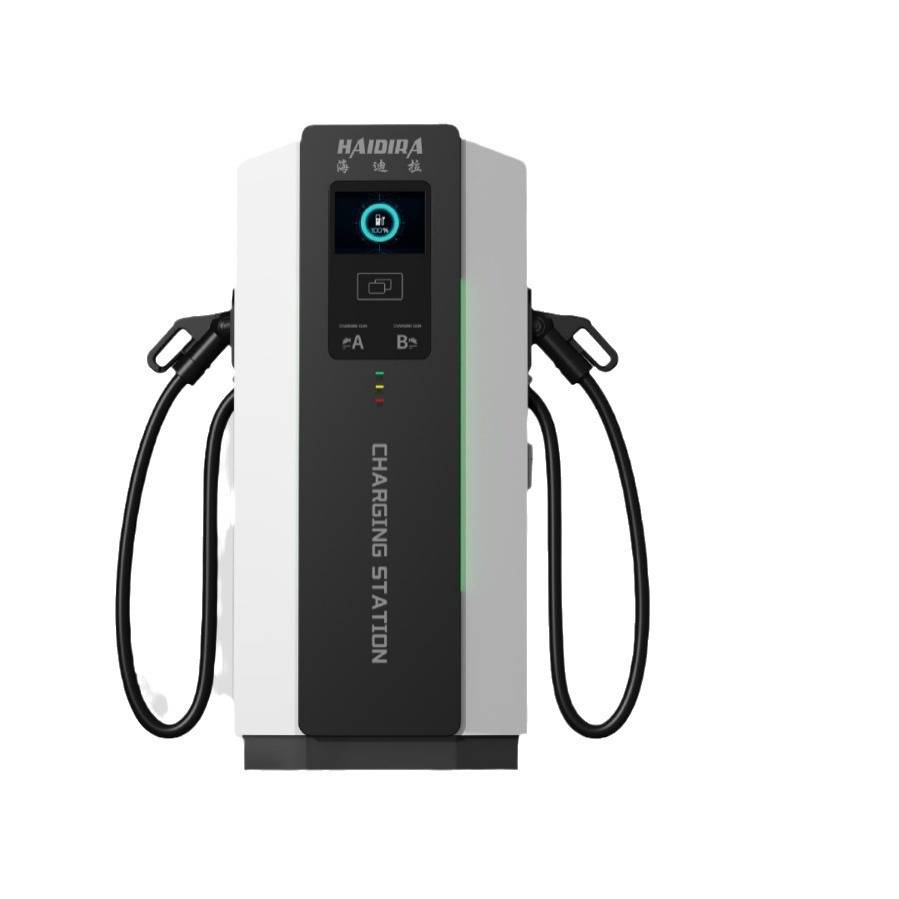

Manufacturer Direct Sales Tesla New Energy Electric Vehicle Universal DC 180kW Dual-gun Charging Pile Commercial Fast Charger
Anhui Haidira Electric Technology Co., Ltd.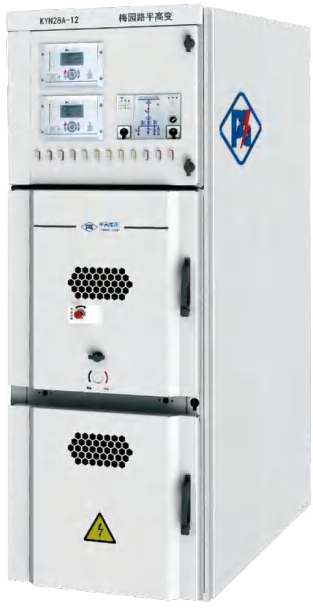
KYN28A-12 Metal Armored Removable Switchgear
Tianjin Ping Gao Intelligent Electric Co., Ltd.


Industrial and Commercial Point-Type Gas Detector
Jinan Benan Technology Development Co., Ltd.

Pneumatic high-pressure wear-resistant ball valve
Zhejiang Deca Control Valve Meter Co., Ltd.
MESS8201-2507/5015-BN Prefabricated Liquid-cooled Energy Storage Battery Container
Xuchang Xuji Electric Science Energy Storage Technology Co., Ltd.