Repsol in Portugal Secures €830 Million Operating License for Recyclable Polymer Plants
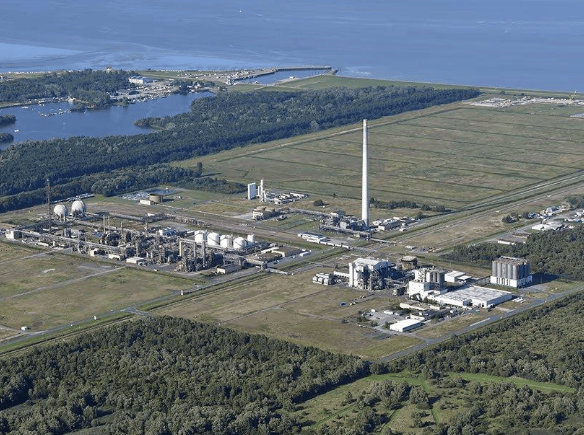
en.Wedoany.com Reported - Repsol will obtain the digital industrial operating license this Wednesday in Sines, Portugal, for two new plants under its Alba project. The combined investment in the two plants totals €830 million, with operations expected to commence by the end of 2026.
In a written response to questions from the Portuguese news agency Lusa, Repsol stated that the license allows for "the exercise of industrial activities" and confirmed that "the new units have the necessary conditions to enter the operational phase."
The license award ceremony will take place at 11 a.m. at the Repsol industrial complex in Sines, Setúbal District, and will be jointly presented by Portugal's Minister of Economy and Ricardo Pinheiro, President of the Regional Coordination and Development Commission of Alentejo (CCDR).
The two new units under the Alba project produce polypropylene and linear low-density polyethylene, respectively, with products that are 100% recyclable and suitable for highly specialized applications in sectors such as pharmaceuticals, automotive, and agri-food processing, aligning with the energy transition goals of these industries. In October 2021, the Portuguese government signed an investment contract worth €657 million with Repsol Polímeros, offering tax incentives of up to €63 million for the construction of these two plants, each with an annual production capacity of 300,000 tons of recyclable polymers.
Repsol noted that during the construction phase, the Alba project employed up to 1,300 workers at its peak. To support the operation of the new units, the company has created 100 permanent direct jobs, which in turn are expected to generate approximately 300 indirect jobs. The company believes this arrangement will create high-quality employment locally and enhance the economic and social impact on the Sines region.
Biodegradable polymers can decompose naturally, a characteristic that distinguishes them from traditional polymers and reduces their environmental impact, with applications in packaging, agriculture, and single-use products.
According to earlier estimates by AICEP Global Parques, the managing body of the Sines Industrial and Logistics Zone (ZILS), the two plants could generate an annual economic impact of approximately €1 billion, stemming from import substitution, new export opportunities, and the creation of new potential for Portugal's processing industry.
Related Products

Hongxing Steel Chemical Pressure Vessel Steel Plate
Gansu JISCO Group Hongxing Iron and Steel Co., Ltd.
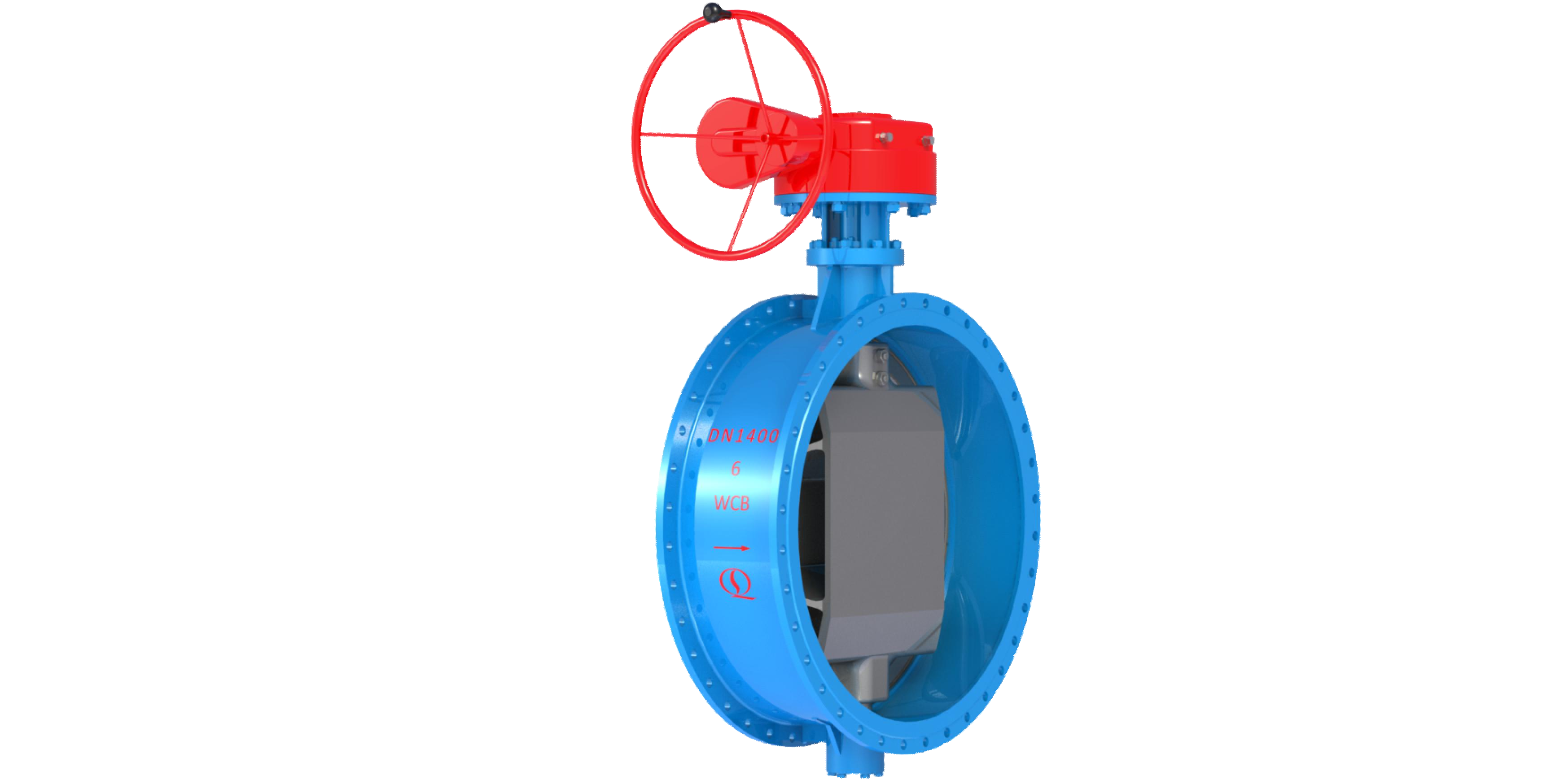
Bidirectional Metal Hard Sealed Seawater Butterfly Valve
Henan Quanshun Flow Control Science & Technology Co., Ltd.

CAP1400 main feedwater flow nozzle flowmeter.
Jiangsu Hongda Instrument Technology Co., LTD.
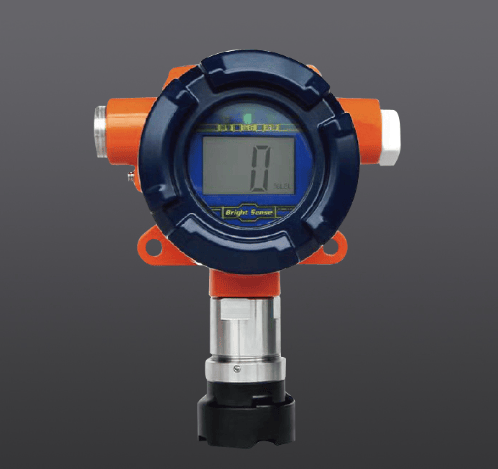
Industrial and Commercial Point-Type Gas Detector
Jinan Benan Technology Development Co., Ltd.
Steel Pipes for Refining and Coal Chemical Industries
YANGZHOU LONTRIN ENERGY EQUIPMENT CO.,LTD.